

Customer Case: RDP Redispersible Polymer Powder in Construction Applications
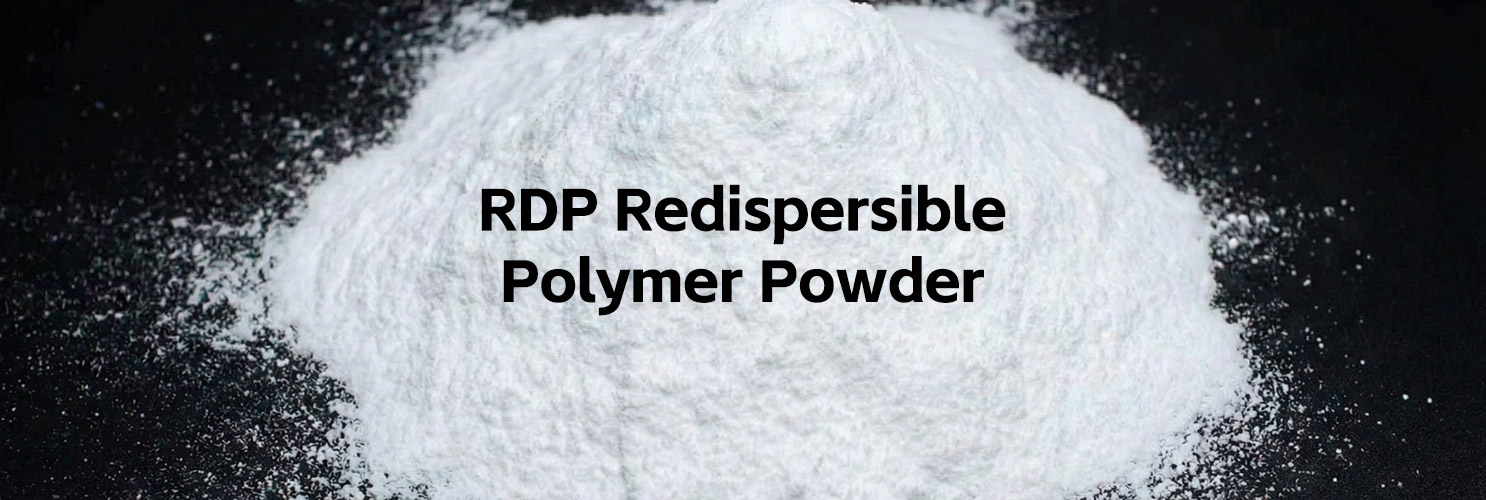
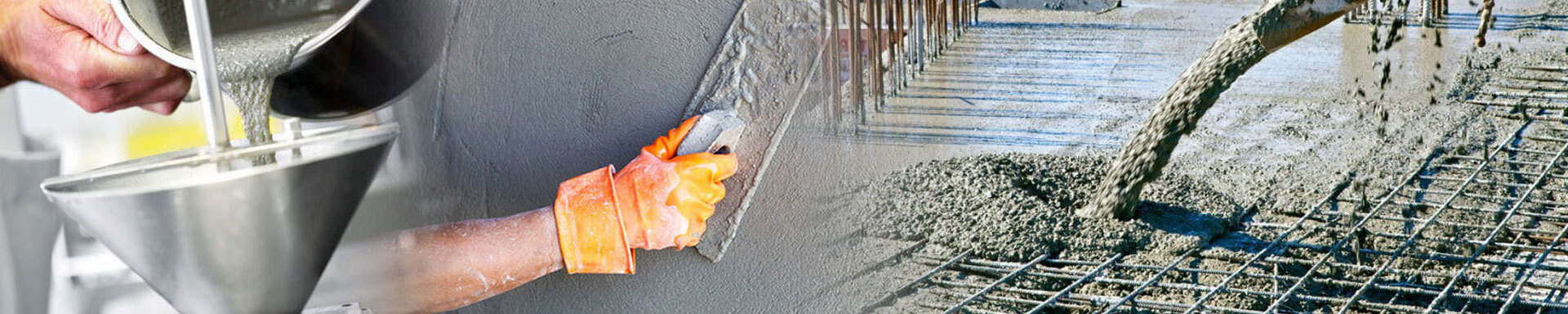
Redispersible Polymer Powder (RDP) is a key construction polymer additive used in dry mix mortar systems such as tile adhesives, wall putty, repair mortars, and external insulation systems. In recent years, demand for RDP for dry mix mortar has increased rapidly as contractors look for better bonding strength, flexibility, and long-term durability.
One of our overseas customers is a mid-sized building materials manufacturer focusing on tile adhesive RDP formulations for residential and commercial projects. Their main challenge was ensuring stable bonding strength while maintaining easy workability under different weather conditions.
Project Challenges
Before using our Redispersible Polymer Powder (RDP), the customer faced several common problems:
Tile adhesives showed insufficient bonding strength on low-absorption tiles
Mortar layers were too brittle, leading to cracking after curing
Poor flexibility caused detachment under temperature changes
Inconsistent performance between different production batches
These issues directly affected customer satisfaction and increased after-sales complaints.
RDP Solution and Application
After testing several formulations, the customer decided to introduce our RDP cement mortar solution into their tile adhesive system.
Once mixed with water, the RDP for dry mix mortar redispersed evenly and formed a flexible polymer film during curing. This film significantly improved adhesion between tiles and substrates while increasing overall flexibility.
Key improvements observed on-site:
Stronger tile bonding, even on porcelain and large-format tiles
Better flexibility, reducing cracks and hollow sounds
Smoother workability and easier troweling
Stable performance in both hot and humid environments
Project Results
After switching to our construction polymer additive, the customer reported clear improvements:
Tile detachment issues were almost completely eliminated
On-site application became faster and more consistent
Customer complaints dropped significantly
Product reputation improved in local markets
Customer feedback:
“This RDP solved our tile bonding and cracking problems. The performance is stable and easy to control.”
Our Advantages as an Integrated Manufacturing & Trading Company
As an integrated manufacturing and trading supplier, we offer more than just products:
Stable quality Redispersible Polymer Powder (RDP) with consistent redispersibility
Multiple grades suitable for tile adhesives, repair mortars, and EIFS
Strong compatibility with cement, fillers, and additives
Technical support for formulation optimization
Reliable supply capacity and flexible packaging options
We help customers build high-performance dry mix mortar products that meet real construction needs.
FAQ – Frequently Asked Questions
Q1: What is Redispersible Polymer Powder mainly used for?
A: Redispersible Polymer Powder is mainly used in dry mix mortars such as tile adhesives, wall putty, repair mortars, and insulation systems to improve adhesion and flexibility.
Q2: How does RDP improve tile adhesive performance?
A: RDP forms a flexible polymer film after curing, which enhances bonding strength and reduces cracking or tile detachment.
Q3: Is RDP suitable for hot and humid climates?
A: Yes, high-quality RDP for dry mix mortar performs well in hot and humid environments with stable bonding and workability.
Q4: Can RDP be used with different cement types?
A: Yes, our RDP cement mortar grades are compatible with most common cement systems.
Q5: What do customers say about your RDP?
A: “The RDP helped us solve tile bonding issues and improved overall construction quality.”