


News
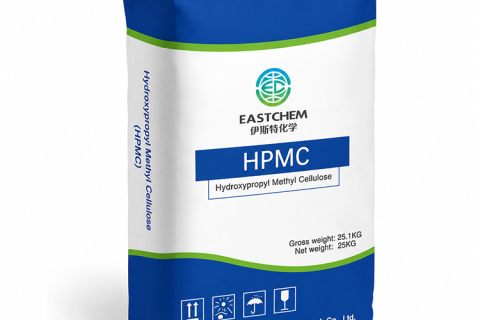
Hydroxypropyl Methyl Cellulose is not one product. It is a family of products differentiated by viscosity grade, degree of methyl substitution, degree of hydroxypropyl substitution, particle size, and surface treatment. Buying the wrong grade produces mortar that is too stiff, too thin, cracks during drying, or loses workability before application is complete. For dry mix mortar manufacturers, construction chemical formulators, and importers sourcing HPMC across Southeast Asia, Europe, and Asia, this guide explains what each parameter means in practical terms and how to match the correct grade to each construction application.
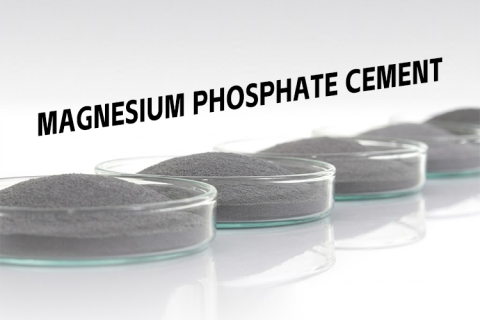
Every hour an airport runway is closed for maintenance represents flight cancellations, aircraft diversions, revenue loss for airlines and airport operators, and disruption for passengers across the route network. For airport pavement maintenance engineers and airfield contractors across Southeast Asia, Europe, and Asia, the technical specification of the repair material used for runway spalling, joint failure, and FOD damage determines whether a maintenance window closes on schedule or extends into peak operating hours. Magnesium Phosphate Cement is the rapid setting airfield pavement repair mortar that consistently delivers the strength, bond, and surface finish required for aircraft loading within the shortest available maintenance window.
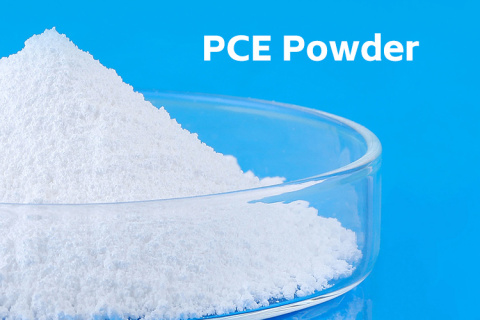
Self compacting concrete fills complex formwork, flows around dense reinforcement, and consolidates under its own weight without mechanical vibration. It is specified for bridge decks, tunnel linings, architectural precast elements, deep foundations, and any structural concrete application where vibration access is limited or where surface finish quality requirements cannot be met by conventionally vibrated concrete. Producing SCC that flows freely without segregating, maintains stability during placement, and achieves target compressive strength without excess water requires Polycarboxylate Superplasticizer Powder as the admixture that makes all three performance requirements simultaneously achievable.
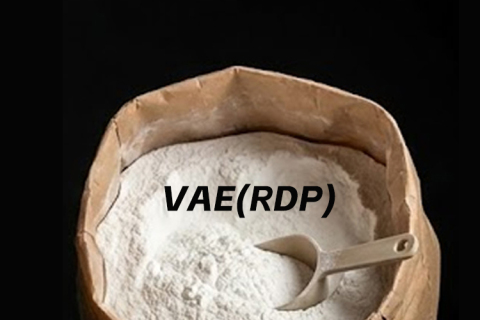
Water penetration through concrete and masonry structures causes more construction failures and maintenance expenditure than almost any other single mechanism in the built environment. Basement walls that leak, bathroom waterproofing that fails within three years, flat roof waterproofing that cracks under thermal cycling, and tunnel linings that allow groundwater ingress all represent failures of the waterproofing mortar system at a material or application level. VAE Redispersible Polymer Powder is the additive that determines whether a cementitious waterproofing mortar system performs over its design service life or fails prematurely under the combination of hydrostatic pressure, thermal movement, and substrate cracking that waterproofing systems must resist in service.
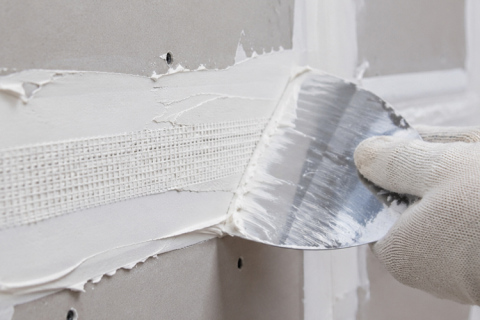
Gypsum board systems are the dominant interior wall and ceiling finishing solution in residential and commercial construction across Europe, Southeast Asia, and the broader Asian market. The performance of a gypsum board installation depends not only on the board and framing system but on the joint compound, skim coat, and finishing mortar that create the smooth, seamless surface required for decoration. Hydroxypropyl Methyl Cellulose is the additive that determines whether these finishing products are workable, crack-resistant, and easy to sand, or whether they crack, shrink, and resist finishing tools in ways that slow installation and increase labor cost per square meter.
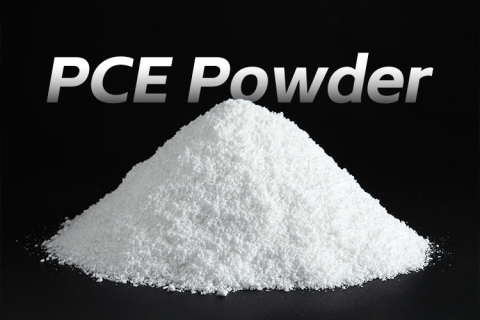
High strength concrete grades C60 to C100 are specified for high-rise structural columns, bridge girders, precast prestressed elements, and infrastructure foundations where design loads, durability requirements, and service life targets exceed what standard concrete grades can deliver. Producing these concrete grades consistently requires water-cement ratios of 0.25 to 0.35, which are not achievable without a high-performance water reducing admixture that maintains workability at these low water contents without compromising setting time or strength development. Polycarboxylate Superplasticizer Powder is the admixture that makes high strength concrete production reliable and consistent at industrial scale.
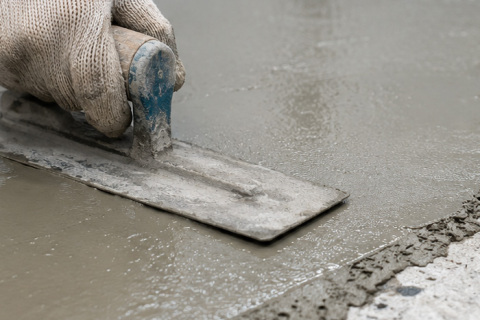
Concrete floor repair mortar that cracks within weeks of application, debonds from the substrate under foot traffic, or shrinks away from repair patch edges is not a material failure in isolation. It is a formulation failure, and in most cases the missing or incorrectly specified ingredient is Hydroxypropyl Methyl Cellulose. For construction chemical producers and dry mix mortar manufacturers developing concrete floor repair products for markets across Southeast Asia, Europe, and Asia, understanding exactly what HPMC does in repair mortar and how to select the correct grade prevents the field failures that generate warranty claims and damage brand reputation.
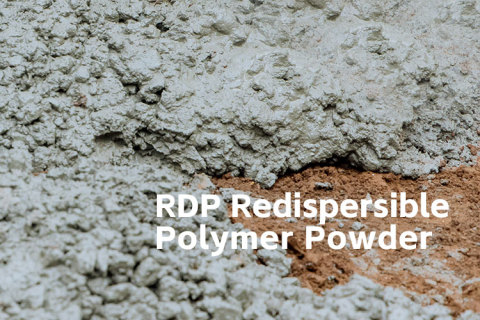
Reinforced concrete structures fail prematurely in one primary way: chloride and moisture penetrate the concrete cover, reach the steel reinforcement, and initiate the corrosion reaction that expands the rebar, cracks the cover concrete, and progressively destroys structural capacity. In coastal construction, marine infrastructure, underground structures, and industrial facilities across Southeast Asia, Europe, and Asia, this corrosion mechanism is the leading cause of unplanned structural maintenance and premature service life termination. Corrosion protection mortar systems that incorporate VAE Redispersible Polymer Powder are the construction chemistry solution that interrupts this mechanism at the concrete surface level, before chloride and moisture reach the reinforcement.
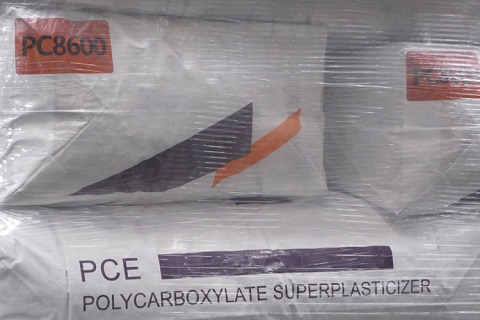
Three generations of superplasticizer chemistry are currently available to concrete admixture producers and ready-mix concrete operators across Southeast Asia, Europe, and Asia: naphthalene-based, melamine-based, and polycarboxylate-based. All three reduce water demand in concrete. All three improve workability at lower water-cement ratios. But their performance differences in water reduction efficiency, slump retention, dosage requirement, and compatibility with modern concrete mix designs are significant enough that choosing the wrong generation for your application produces concrete that underperforms specifications or costs more than necessary to produce. This article compares all three on the parameters that matter most for concrete production decisions.
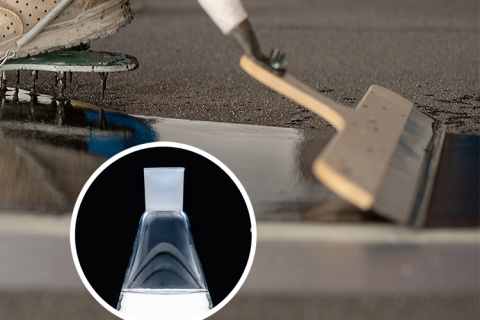
Polished concrete floors in retail stores, corporate offices, airports, hotels, and industrial facilities across Southeast Asia, Europe, and Asia are not produced by grinding alone. The grinding and polishing process that creates a reflective, durable concrete surface depends on Lithium Silicate densifier applied at the correct stage in the polishing sequence to harden the concrete matrix, increase surface hardness, and enable the fine polishing grits to produce a high-gloss finish that resists wear over years of heavy foot and vehicle traffic. Without Lithium Silicate, polished concrete surfaces wear prematurely, lose gloss under traffic, and dust continuously from the weak surface layer exposed by grinding.