


- Home
- >
News
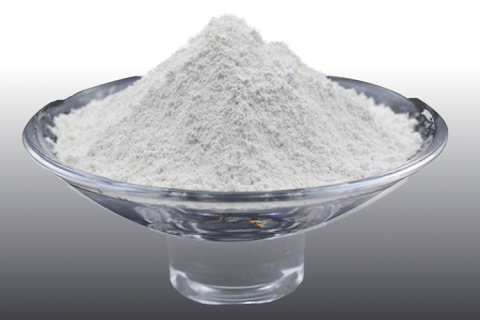
Manufacturers of artificial leather, flexible flooring, wallcovering, and industrial coatings share a common raw material requirement: a fine-particle, highly plasticizer-compatible resin that forms stable plastisol at room temperature and processes uniformly under heat. Polyvinyl Chloride Paste Resin is the material that makes all of these products possible. Without the right grade and the right supplier, production lines face viscosity inconsistency, surface defects, poor plasticizer absorption, and finished products that fail quality inspection before they reach the customer.
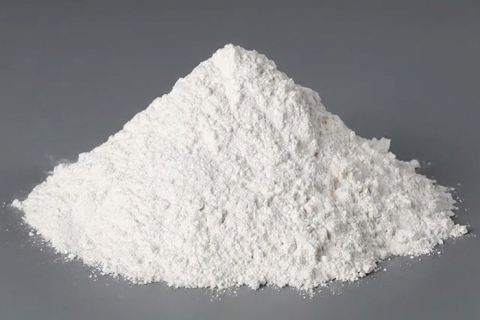
In modern construction projects, PVC flooring systems are widely used in commercial buildings, hospitals, schools, industrial plants, and public facilities. These applications demand materials that combine durability, flexibility, easy installation, and long service life. However, many construction material manufacturers and flooring producers encounter recurring challenges during production and application:
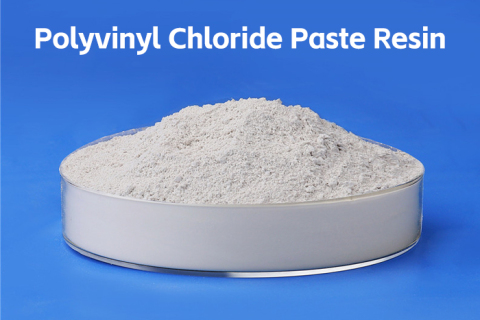
Polyvinyl Chloride (PVC) Paste Resin is a key material in producing artificial leather, offering durability, flexibility, and cost-effectiveness as an alternative to natural leather. This article highlights the role of PVC Paste Resin in artificial leather, its properties, production process, and advantages.