


- Home
- >
News
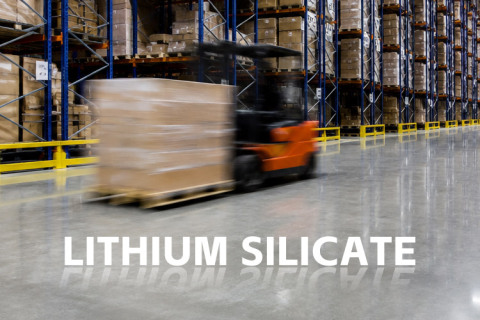
Industrial concrete floors in warehouses, logistics centers, manufacturing facilities, and food processing plants face operational demands that standard untreated concrete cannot meet over a practical service life. Forklift traffic, pallet jack loads, dropped equipment, chemical spillage, and continuous foot traffic progressively abrade the concrete surface, generating dust that contaminates products and machinery, creating surface defects that trap bacteria in food environments, and exposing aggregate that creates uneven surfaces hazardous to wheeled equipment operation. Lithium Silicate is the penetrating reactive hardener that addresses all of these failure mechanisms at the source, within the concrete matrix itself, without surface coatings that peel, chip, or require periodic reapplication.
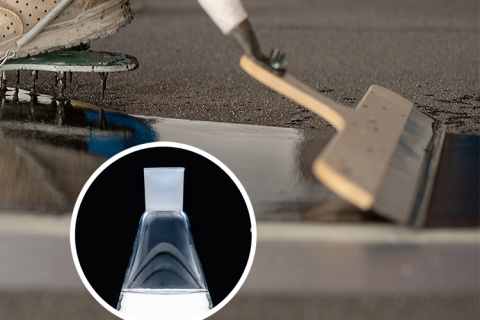
Polished concrete floors in retail stores, corporate offices, airports, hotels, and industrial facilities across Southeast Asia, Europe, and Asia are not produced by grinding alone. The grinding and polishing process that creates a reflective, durable concrete surface depends on Lithium Silicate densifier applied at the correct stage in the polishing sequence to harden the concrete matrix, increase surface hardness, and enable the fine polishing grits to produce a high-gloss finish that resists wear over years of heavy foot and vehicle traffic. Without Lithium Silicate, polished concrete surfaces wear prematurely, lose gloss under traffic, and dust continuously from the weak surface layer exposed by grinding.
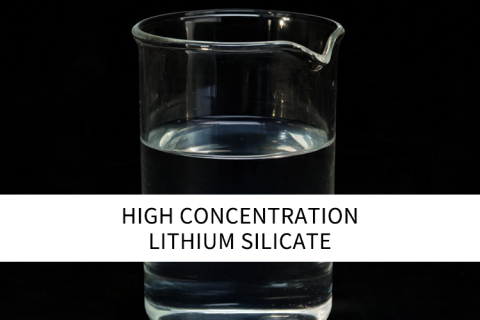
High Concentration Lithium Silicate, carrying CAS number 10102-24-6, is a lithium silicate solution with solid content above 25 to 30 percent, significantly higher than standard grade lithium silicate products at 15 to 20 percent solid content. The higher active silicate concentration per liter of product delivers more reactive material into the concrete pore structure per application, making it the correct specification for dense, hard, low-absorption concrete surfaces where standard concentration densifiers penetrate too slowly or deliver insufficient reactive silicate to achieve the target surface hardness improvement.
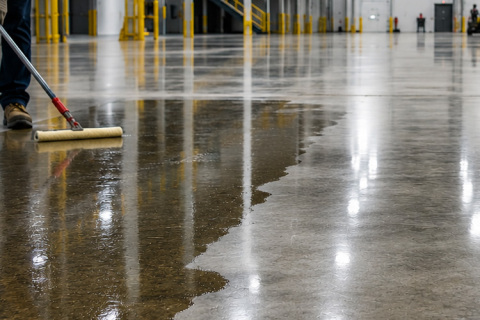
Not all Lithium Silicate grades perform the same on concrete floors. This guide covers how to select the right solid content, silica-to-lithia ratio, and particle size for your specific application, whether you are treating new industrial floors, producing polished concrete, or hardening old dense substrates. Includes a grade comparison table and application rate guide. EastChem supplies Lithium Silicate CAS 10102-24-6 in standard and colloidal grades with full technical support.
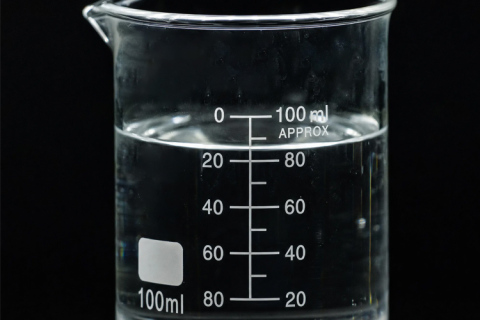
If your concrete floor is dusting, cracking, absorbing water, or losing surface strength under traffic and load, you are not dealing with a cosmetic problem. You are dealing with a structural vulnerability that gets worse over time and more expensive to fix with every month you wait. Lithium Silicate is the chemical solution that addresses all three of these problems at once, permanently, from within the concrete itself.