


- Home
- >
News
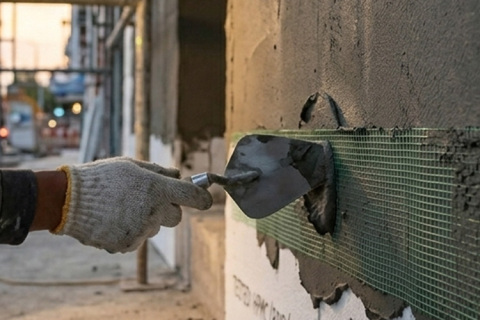
A well-performing EIFS base coat mortar depends on three additives working as a system. Hydroxypropyl Methyl Cellulose provides water retention and workability. Redispersible Polymer Powder provides flexibility and bond strength to insulation boards. Polycarboxylate Superplasticizer reduces water demand and improves application consistency. The HPMC RDP and PCE admixture combination is what separates a high-performance EIFS base coat from one that cracks, debonds, or fails under thermal cycling within the first year of service. When any one of the three is missing or incorrectly specified, the entire system underperforms in ways that are difficult to diagnose without understanding how the three components interact.
For dry mix mortar manufacturers across Southeast Asia, South Asia, and Europe, batch-to-batch consistency determines customer retention and brand reputation. When mortar performance varies without any change to the formulation, the root cause is almost always one ingredient: Polycarboxylate Superplasticizer Powder. This article covers the four most common dry mortar production problems caused by inconsistent PCE powder and how selecting the right grade eliminates them.
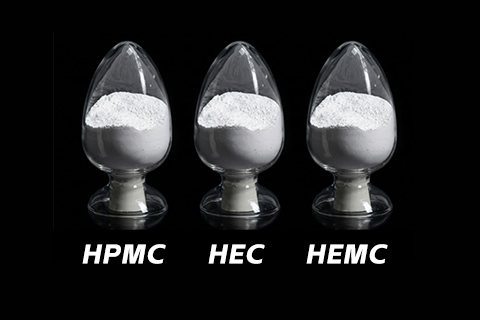
Walk into any dry mix mortar formulation discussion and the same question comes up repeatedly: should this product use HPMC, HEC, or HEMC? All three are cellulose ethers, all three provide water retention and thickening, and all three are sold by suppliers claiming their grade is the best fit. For dry mortar manufacturers and construction chemical formulators across Southeast Asia, Europe, and Asia, choosing the wrong cellulose ether means reformulation, wasted trial batches, and finished products that underperform in the field. This article explains the real chemical differences between Hydroxypropyl Methyl Cellulose, Hydroxyethyl Cellulose, and Hydroxyethyl Methyl Cellulose, and which one fits which application.
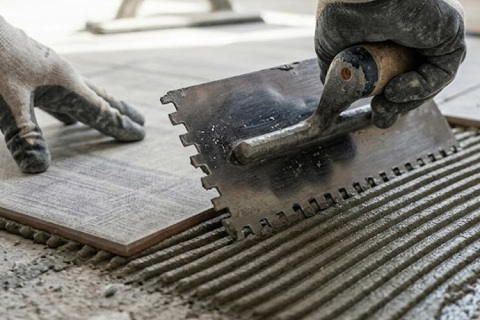
Tiles falling off walls six months after installation. Plaster cracking before the paint even goes on. Mortar that dries out before the worker finishes spreading it. These are not random site accidents. They are predictable failures that trace back to one missing or incorrectly specified ingredient in the dry mix mortar formula: Hydroxypropyl Methyl Cellulose. If your mortar, tile adhesive, or wall plaster is failing on site, this article explains exactly why HPMC powder is the solution and what to look for when sourcing it.
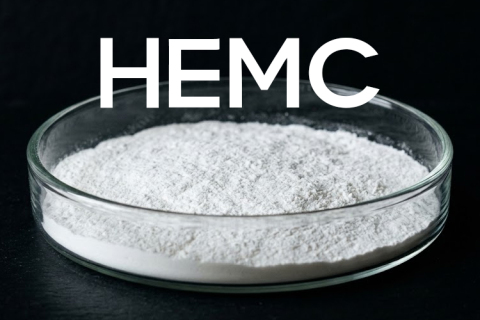
If you are formulating dry mix mortar for markets where summer ambient temperatures regularly exceed 35°C — and you have been using HPMC cellulose ether as your standard water retention agent — there is a performance argument for HEMC that most formulators have not fully evaluated.
In modern construction projects, mortar failure remains one of the most frequent and frustrating problems. From tile debonding and hollowing to cracked plaster and poor workability, these issues lead to costly rework, project delays, and damaged reputations. As construction standards rise — especially in hot climates like the Middle East, Southeast Asia, and Africa — traditional cement mortar often falls short. Common on-site problems include:
As a leading manufacturer of construction-grade cellulose ethers, we provide premium Hydroxypropyl Methyl Cellulose (HPMC) specifically designed for dry-mix mortar, tile installation, floor leveling, external insulation, and gypsum plaster systems. Our HPMC powder delivers consistent viscosity, outstanding water retention, and excellent workability — solving real problems on job sites around the world.
In dry mix mortar production, most performance problems are invisible until they appear on a construction site. Cracking that shows up three weeks after application. Tiles that delaminate six months after installation. Render that dusts off under finger pressure. These failures rarely trace back to cement quality or aggregate grading. In the majority of cases, they trace back to HPMC cellulose ether — either the wrong grade, the wrong dosage, or an inconsistent supply that performed differently batch to batch without anyone catching it at the production stage.
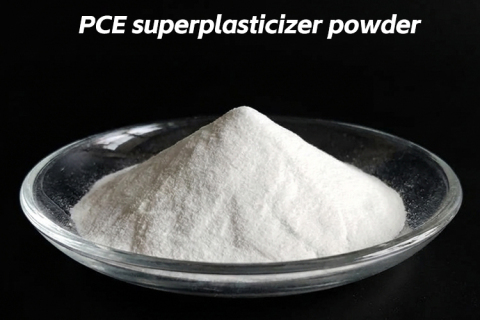
High-strength concrete is not simply regular concrete with more cement. It is a precision-engineered material where every component — cement type, aggregate grading, supplementary cementitious materials, and admixture selection — must work together to achieve compressive strengths above 60 MPa while maintaining the workability required for placement and consolidation. In this context, PCE superplasticizer powder is not an optional performance enhancer. It is the admixture that makes high-strength concrete practically achievable at commercial scale.
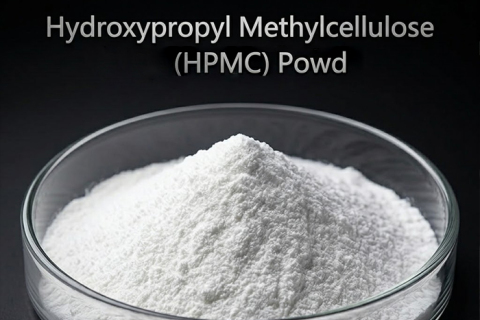
Tile adhesive looks simple on paper. Cement, sand, a few additives, mix with water. But anyone who has watched a large-format tile slide down a wall thirty minutes after installation knows that the chemistry underneath matters enormously. The additive that makes or breaks tile adhesive performance in real construction conditions is HPMC cellulose ether — and not all grades perform the same way.
External Thermal Insulation Composite Systems — commonly referred to as ETICS or EIFS — represent one of the fastest-growing segments in the global construction chemicals market. As energy efficiency regulations tighten across Asia, the Middle East, and emerging markets, the demand for high-performance exterior insulation finishing systems is accelerating rapidly.
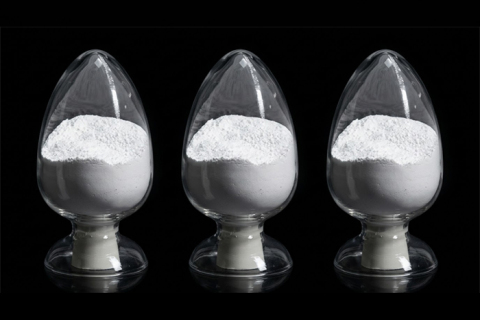
This article explores how these three additives function individually, how they interact within a mortar system, and why their combined use delivers results that no single component can achieve alone.