


- Home
- >
News
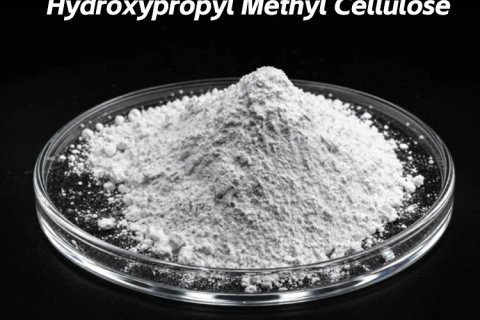
Most wall putty manufacturers select HPMC on two criteria: viscosity and price. This is understandable — viscosity is the most visible specification on any HPMC cellulose ether datasheet, and price is always a factor in a cost-sensitive product category. The problem is that viscosity alone predicts wall putty performance only partially — and in the cases where it fails to predict it, the failure shows up on a customer's wall, not in a laboratory. This article is for wall putty producers who want to understand what actually drives field performance, and what to look for in an HPMC specification beyond the viscosity number.
Gypsum plaster has displaced cement-sand render as the interior wall finishing material of choice across much of Asia, the Middle East, and Eastern Europe. Its faster setting, smoother finish, and lighter weight make it the practical preference for developers and contractors working under tight construction schedules. But gypsum is a less forgiving system than cement when it comes to additive selection. The wrong HPMC cellulose ether grade does not just reduce performance — it can actively disrupt the gypsum hydration reaction in ways that produce setting failures, surface defects, and application problems that are difficult to diagnose without understanding the underlying chemistry.