


- Home
- >
News
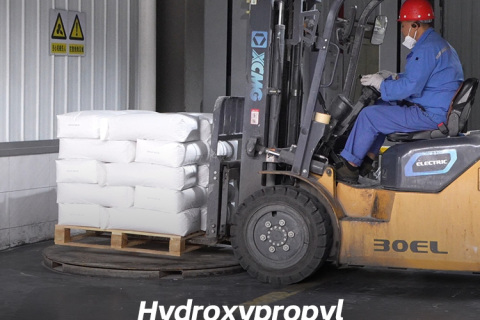
A building materials distributor operating across multiple provinces in Thailand was supplying bagged gypsum plaster products to plastering contractors serving residential and commercial construction projects. Demand for gypsum plaster had grown significantly as developers moved away from traditional cement render for interior wall finishing due to gypsum's faster application speed, smoother surface finish, and lower labor cost per square meter. The distributor had sourced their gypsum plaster from a regional manufacturer for two years without significant problems. That changed during a period of rapid volume growth when the manufacturer switched HPMC supplier to reduce raw material cost.

Cement render that cracks within the first season, falls off facades during heavy rain, or develops uneven texture across a single wall is rarely a problem with the sand or cement ratio. In most cases, the cause is incorrect or insufficient Hydroxypropyl Methyl Cellulose in the render formulation. For dry mix mortar manufacturers and construction chemical producers supplying render products across Southeast Asia, Europe, and the broader Asian market, understanding exactly what HPMC does in render and how to select the correct grade prevents the most common and costly render failures in the field.
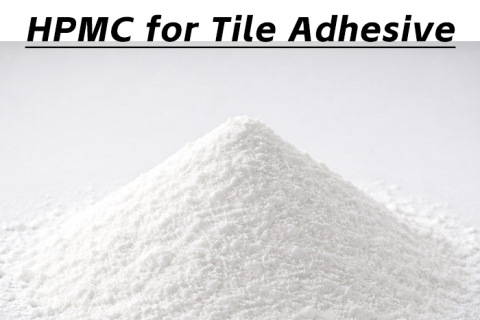
With the rapid development of infrastructure projects, residential housing, and commercial buildings worldwide, the demand for high-performance dry mix mortar additives continues to increase. Among these additives, HPMC (Hydroxypropyl Methyl Cellulose) plays a critical role in improving workability, water retention, and construction efficiency.