


- Home
- >
News
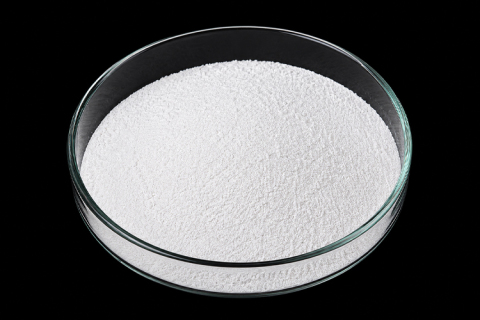
Mass concrete is defined not by its strength requirement but by its thermal risk. Any concrete placement where the cross-section is large enough for heat of hydration to generate a temperature differential between the core and the surface above 20 to 25°C is at risk of thermal cracking — and thermal cracking in a dam foundation, a thick transfer slab, or a nuclear structure base mat is a structural problem that cannot be patched after the fact.
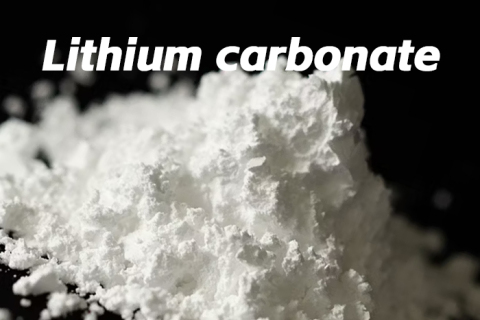
Cement-based self-leveling mortar is a material widely used for floor leveling in construction, known for its ease of application, excellent fluidity, and high strength. In recent years, lithium carbonate has become increasingly popular as an important additive in cement-based self-leveling mortars. This article explores the mechanisms of lithium carbonate in such mortars and the reasons behind its widespread adoption.