


- Home
- >
News
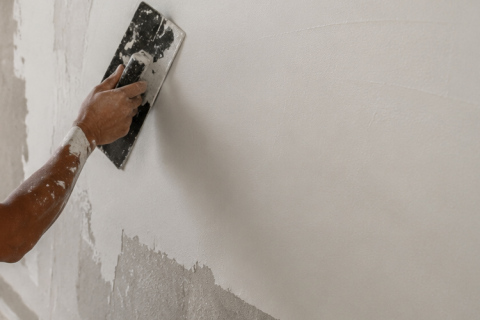
Wall putty is one of the highest-volume dry mix mortar products in residential and commercial construction markets across Southeast Asia, South Asia, and Europe. It is also one of the most competitive, with dozens of local and regional brands competing on price, workability, and surface finish quality. For wall putty manufacturers, the difference between a product that builds contractor loyalty and one that loses market share to a competitor often comes down to a single ingredient: Hydroxypropyl Methyl Cellulose.
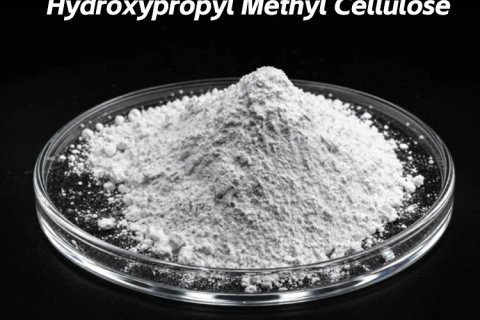
Most wall putty manufacturers select HPMC on two criteria: viscosity and price. This is understandable — viscosity is the most visible specification on any HPMC cellulose ether datasheet, and price is always a factor in a cost-sensitive product category. The problem is that viscosity alone predicts wall putty performance only partially — and in the cases where it fails to predict it, the failure shows up on a customer's wall, not in a laboratory. This article is for wall putty producers who want to understand what actually drives field performance, and what to look for in an HPMC specification beyond the viscosity number.
Gypsum plaster has displaced cement-sand render as the interior wall finishing material of choice across much of Asia, the Middle East, and Eastern Europe. Its faster setting, smoother finish, and lighter weight make it the practical preference for developers and contractors working under tight construction schedules. But gypsum is a less forgiving system than cement when it comes to additive selection. The wrong HPMC cellulose ether grade does not just reduce performance — it can actively disrupt the gypsum hydration reaction in ways that produce setting failures, surface defects, and application problems that are difficult to diagnose without understanding the underlying chemistry.
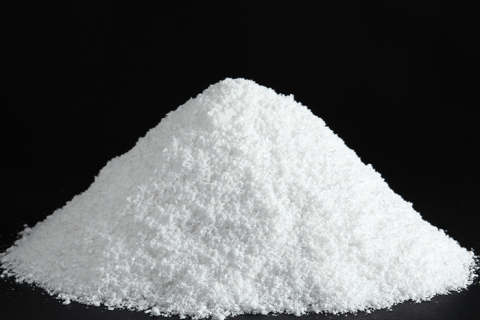
Our advanced PVC Paste Resin is specially designed for construction applications, offering excellent adhesion, high viscosity, and waterproofing properties. Ideal for wall putty, fillers, adhesives, and waterproof coatings, it enhances durability and workability.
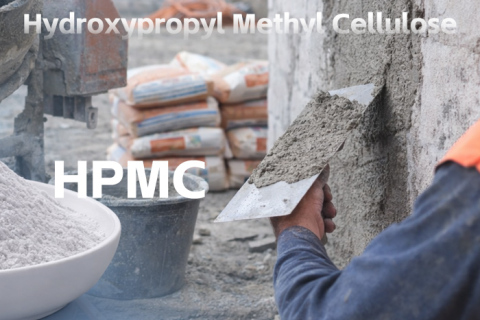
With the rapid development of modern building construction, dry-mix mortar systems such as tile adhesive, wall putty, and plaster mortar require stable workability, strong adhesion, and reliable water retention. Hydroxypropyl Methyl Cellulose HPMC has become a key functional additive to meet these performance demands.
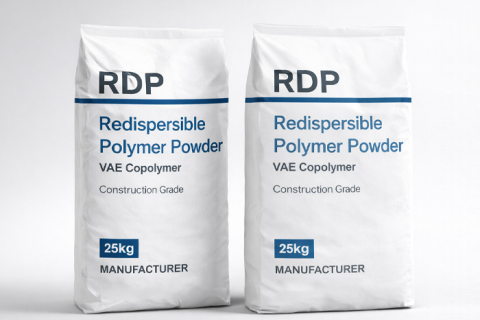
Redispersible Polymer Powder (RDP), especially VAE-based RDP, is a key functional additive in modern construction materials. As an experienced RDP manufacturer, we provide stable-quality products designed to improve adhesion, flexibility, and durability in cement-based systems used across the construction industry.
In India, a climate of high temperatures and humidity poses a severe challenge to building materials. When our Indian partner approached us, they were facing a dilemma: how to produce dry-mix mortar products that ensured both construction efficiency and outstanding durability in such a volatile environment?
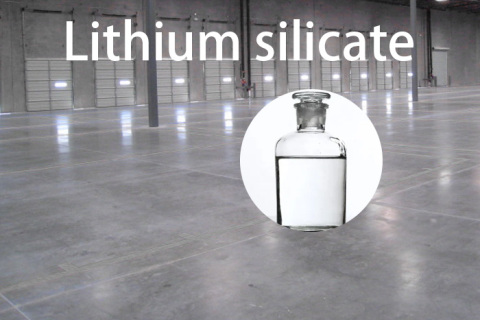
When it comes to commercial polished concrete floors, aesthetics and long-term performance are critical. From shopping malls to airport terminals, businesses are increasingly turning to lithium silicate concrete densifiers to ensure their floors are not only visually stunning but also built to last.
In the construction industry, putty peeling and mortar cracking are common issues that affect aesthetics and pose potential safety risks. HPMC, as an efficient construction chemical additive, provides reliable solutions to these challenges.
Gypsum Putty is a key material in modern construction for wall finishing and repair. HEC Hydroxyethyl Cellulose, a high-performance additive, enhances Gypsum Putty with superior water retention, thickening, and workability. Shenyang Easter Chemical Technology Co., Ltd. provides premium HEC Hydroxyethyl Cellulose, empowering clients to produce exceptional Gypsum Putty and advance green construction.
Cracks in putty layers are a frequent issue in construction, impacting aesthetics and durability. They appear in several forms:

Industrial Grade Hydroxypropyl Methylcellulose (HPMC) is a versatile additive widely used in the construction materials industry. It provides exceptional performance characteristics for wall putty and tile adhesives, making it an indispensable key ingredient in these products.