


- Home
- >
News
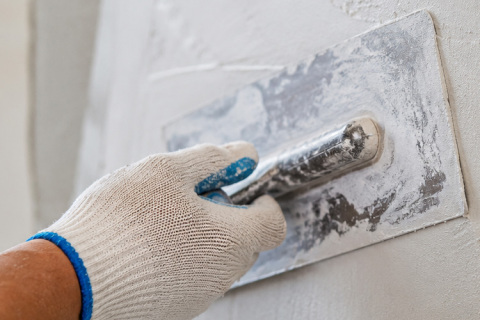
Gypsum based mortar systems present a different set of performance challenges compared to cement based systems. Gypsum sets faster, has lower tensile strength, and is more sensitive to moisture than Portland cement. These characteristics make polymer modification with VAE Redispersible Polymer Powder not just beneficial but necessary in gypsum plaster, gypsum self-leveling compound, and gypsum tile adhesive formulations where bond strength, crack resistance, and surface hardness are performance requirements that unmodified gypsum cannot meet alone.
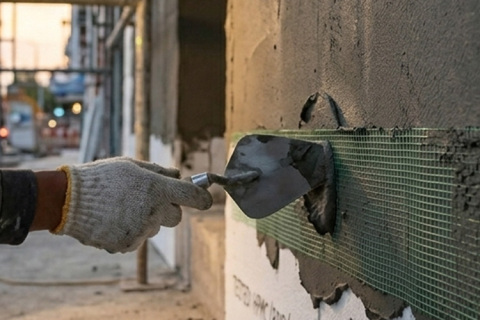
A well-performing EIFS base coat mortar depends on three additives working as a system. Hydroxypropyl Methyl Cellulose provides water retention and workability. Redispersible Polymer Powder provides flexibility and bond strength to insulation boards. Polycarboxylate Superplasticizer reduces water demand and improves application consistency. The HPMC RDP and PCE admixture combination is what separates a high-performance EIFS base coat from one that cracks, debonds, or fails under thermal cycling within the first year of service. When any one of the three is missing or incorrectly specified, the entire system underperforms in ways that are difficult to diagnose without understanding how the three components interact.
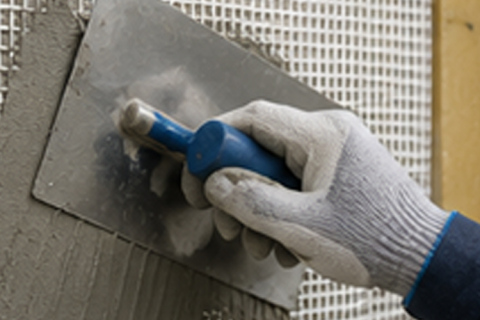
Buying the wrong grade of VAE Redispersible Polymer Powder is one of the most common and costly formulation mistakes in dry mix mortar production. The finished mortar passes lab testing, goes into production, reaches the customer, and then fails on site in ways that are difficult to trace back to the admixture. Tiles debond after six months. Render cracks in the first winter. Self-leveling compound delaminates under foot traffic. In most cases, the root cause is not the formulation dosage but the RDP powder grade: wrong glass transition temperature, wrong ash content range, wrong hydrophobicity level, or wrong flexibility class for the application. This guide explains how to select RDP powder grades systematically so that your mortar performs as designed from the first production batch.
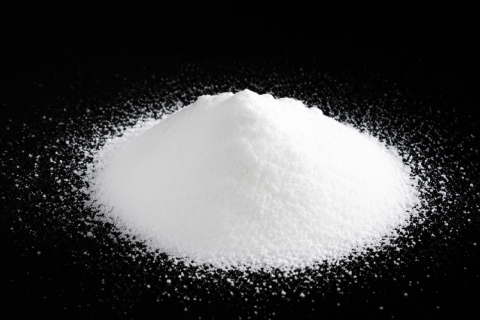
Repair mortar that cracks within weeks of application, loses bond to the substrate under vibration, or shrinks away from the edges of a repair patch is not a minor quality issue. It means rework, warranty claims, and loss of repeat business. For dry mix mortar manufacturers and construction chemical producers across Southeast Asia, Europe, and Asia, these failures consistently trace back to one missing or incorrectly dosed ingredient: Redispersible Polymer Powder.
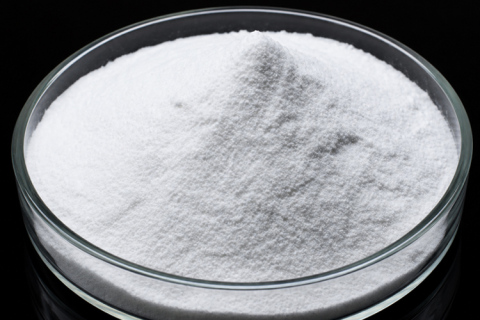
Redispersible Polymer Powder, known as RDP powder with CAS number 24937-78-8, is a spray-dried vinyl acetate-ethylene copolymer that redissolves in water during mixing and forms a flexible polymer film inside hardened mortar. In EIFS base coat and finish coat render, RDP powder is the additive that prevents cracking under thermal movement and provides the bond strength required for mesh-reinforced systems on exterior insulation boards.
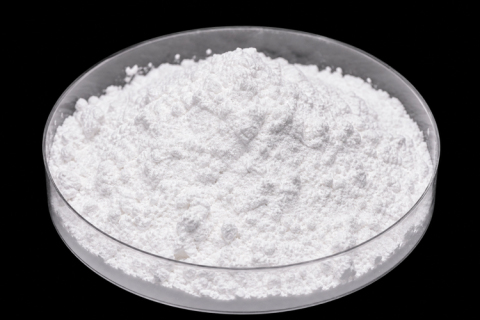
Tile hollowing and debonding are among the most common complaints faced by tile adhesive manufacturers and construction contractors. Even when high-quality cement and fillers are used, insufficient formulation optimization can still result in poor adhesion, cracked adhesive layers, and costly project failures. For manufacturers seeking to improve tile adhesive performance, Redispersible Polymer Powder (RDP Powder) has become one of the most important additives in modern dry-mix formulations.
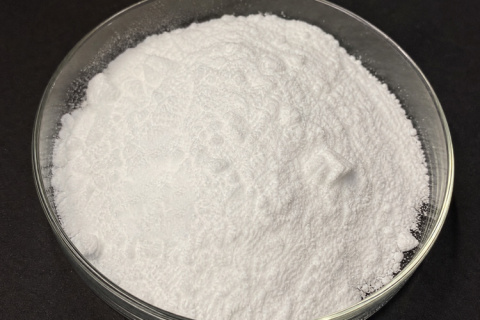
Tile hollowing, cracking, and detachment are some of the most common problems in modern construction projects. As ceramic tiles and porcelain slabs become larger and heavier, traditional cement mortar often cannot provide sufficient bonding strength and flexibility.
If you manufacture exterior render and you are receiving cracking complaints from contractors — or if your product is performing well in mild conditions but failing on high-rise facades, coastal projects, or buildings in hot climates — this article is worth reading before you adjust anything else in your formulation. The vast majority of exterior render cracking failures trace back to one of two Redispersible Polymer Powder problems: wrong grade or wrong dosage. Not cement content. Not aggregate grading. Not mixing water. The polymer.
Wet area tile grout failures follow a recognizable pattern. The grout looks fine at installation. Within six to eighteen months, hairline cracks appear at tile corners. Water penetrates, efflorescence shows up on the wall below, and in worst cases the tiles themselves start to delaminate as moisture reaches the adhesive layer. By the time the problem is visible, the remediation cost is already ten times the cost of specifying the right grout formulation in the first place.
Self-leveling compound is one of the most technically demanding products in the dry mix mortar category. It must flow freely enough to self-level under gravity, set fast enough to accept foot traffic within hours, bond reliably to a wide range of existing substrates, and remain crack-free through years of thermal cycling and dynamic loading from floor traffic above. Achieving all four requirements simultaneously is not possible without RDP powder. Redispersible Polymer Powder is the additive that bridges the gap between a rigid, brittle cement-based underlayment and a flooring system that performs reliably in real service conditions.
External Thermal Insulation Composite Systems — commonly referred to as ETICS or EIFS — represent one of the fastest-growing segments in the global construction chemicals market. As energy efficiency regulations tighten across Asia, the Middle East, and emerging markets, the demand for high-performance exterior insulation finishing systems is accelerating rapidly.
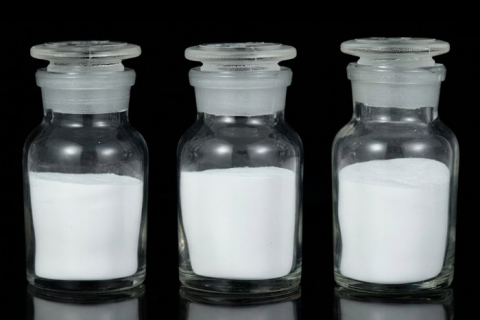
Achieving EN12004 C2TE classification — the international benchmark for cementitious tile adhesives — is not possible without Redispersible Polymer Powder tile adhesive formulation. RDP is the single additive that bridges the gap between a standard cement-sand mix and a classification-compliant adhesive system. This article examines how VAE redispersible polymer powder construction grade products function within tile adhesive formulations, and why selecting the right RDP for ceramic tile adhesive is the most critical decision a dry mix mortar manufacturer can make.