


- Home
- >
News
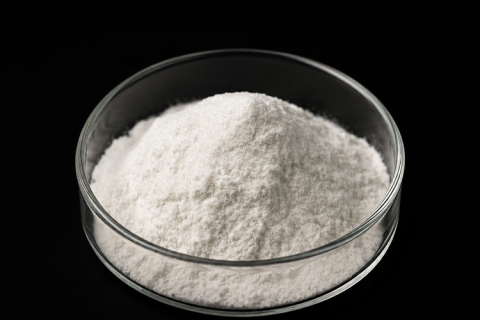
A self-leveling compound that bubbles, cracks, or fails to flow evenly across the floor surface is not a minor inconvenience. It means ripping out the entire pour, grinding the substrate, and starting over. For flooring contractors and dry mortar manufacturers across Southeast Asia, Europe, and Asia, the cost of a failed self-leveling pour is measured in wasted material, lost labor, project delays, and damaged customer relationships. In most cases, the failure traces back to one incorrectly specified or inconsistently supplied ingredient: Hydroxypropyl Methyl Cellulose.
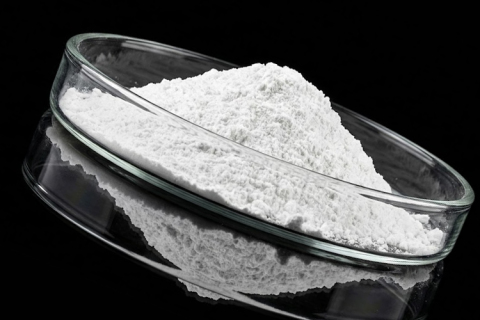
As a leading manufacturer of construction-grade cellulose ethers, we provide premium Hydroxypropyl Methyl Cellulose (HPMC) specifically designed for dry-mix mortar, tile installation, floor leveling, external insulation, and gypsum plaster systems. Our HPMC powder delivers consistent viscosity, outstanding water retention, and excellent workability — solving real problems on job sites around the world.
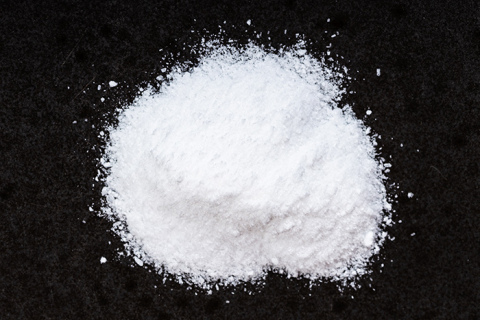
In modern flooring projects, achieving a smooth, flat surface with self-leveling concrete is essential for warehouses, commercial buildings, and residential renovations. However, challenges such as poor flow, uneven surfaces, and slow finishing often affect quality. Our Polycarboxylate Superplasticizer Powder provides a reliable solution as a Self-leveling Concrete Additive, improving performance and construction efficiency.
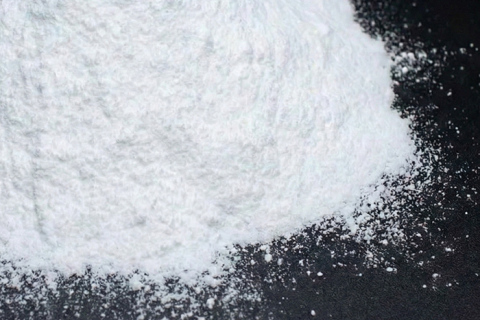
In modern flooring systems, Self-Leveling Mortar must meet high requirements for smoothness, durability, and structural stability. However, traditional cement-based formulations often face problems such as insufficient Adhesion Strength, shrinkage cracking, and surface dusting.
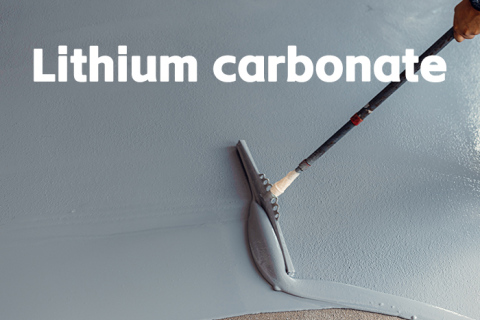
In modern flooring systems, self-leveling mortar is widely used to create smooth, flat, and high-strength substrates. To meet the growing demand for fast installation, stable performance, and long-term durability, lithium carbonate self-leveling mortar has become an important formulation trend. Lithium carbonate offers strong chemical reactivity in cement-based systems, making it valuable for improving setting speed, flowability, overall workability, and floor durability.
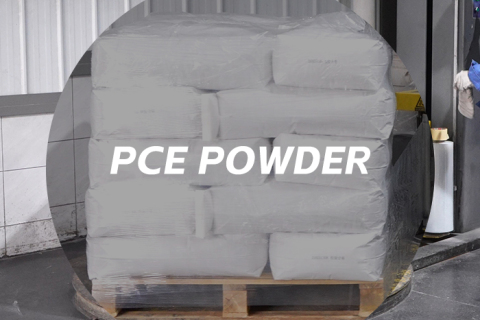
In modern high-strength concrete and self-leveling floor screeds, achieving superior workability, high early strength, and excellent flow without excessive water addition is a critical challenge. Traditional water-reducing agents often fall short of the stringent performance demands for modern long-distance pumping, high-rise construction, and precast elements. PCE Powder, especially the highly efficient Polycarboxylate Ether (PCE) superplasticizer type, is the indispensable polymer additive that provides dry-mix concrete and mortar formulations with essential Water Reduction and Dispersion capabilities.
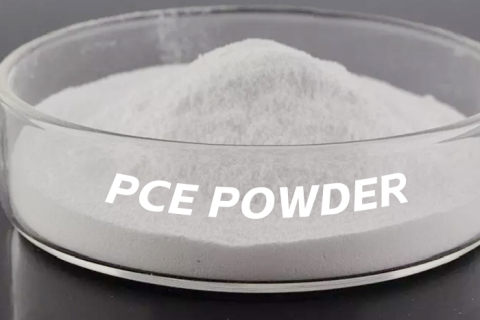
This article will provide a deep analysis of how Polycarboxylate Superplasticizer Powder (PCE Powder), as a key additive, imparts superior high flowability to self-leveling mortar, enabling a perfect surface finish while ensuring its physical strength meets design standards.
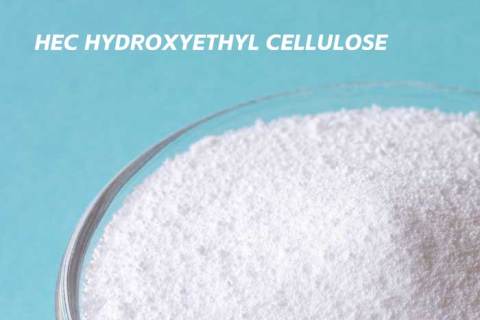
Hydroxyethyl Cellulose (HEC) is a non-ionic water-soluble cellulose ether widely used in self-leveling mortar to enhance its flowability and construction performance. This article briefly outlines the role, application specifications, and benefits of HEC in self-leveling mortar.
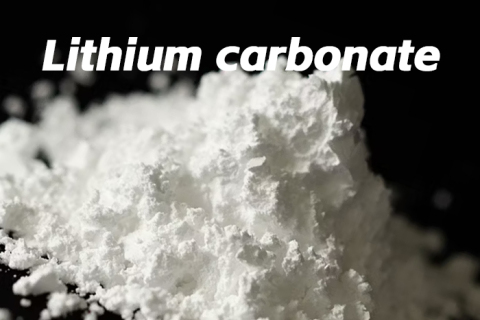
Cement-based self-leveling mortar is a material widely used for floor leveling in construction, known for its ease of application, excellent fluidity, and high strength. In recent years, lithium carbonate has become increasingly popular as an important additive in cement-based self-leveling mortars. This article explores the mechanisms of lithium carbonate in such mortars and the reasons behind its widespread adoption.
From improving construction efficiency to meeting green building standards, the unique chemical properties of HEC make it an indispensable "performance enhancer" in the construction field.
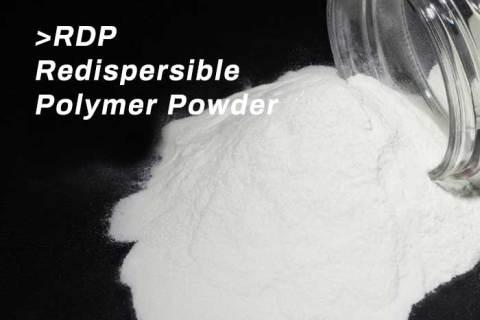
RDP is a type of polymer material commonly used in dry powder mixtures in the construction industry. It has good water solubility and redispersibility, allowing it to form a uniform polymer film when mixed with water, enhancing the performance of construction materials.
In the modern construction industry, VAE Redispersible Polymer Powder (RDP) has become an essential material for enhancing mortar performance. It not only improves the durability of the mortar but also effectively reduces construction costs, making it an indispensable innovative product in the building sector.