


- Home
- >
News

In modern flooring systems, Self-Leveling Mortar must meet high requirements for smoothness, durability, and structural stability. However, traditional cement-based formulations often face problems such as insufficient Adhesion Strength, shrinkage cracking, and surface dusting.
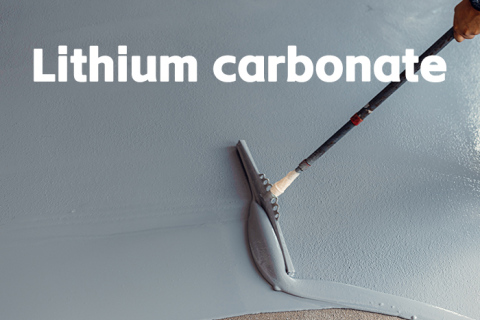
In modern flooring systems, self-leveling mortar is widely used to create smooth, flat, and high-strength substrates. To meet the growing demand for fast installation, stable performance, and long-term durability, lithium carbonate self-leveling mortar has become an important formulation trend. Lithium carbonate offers strong chemical reactivity in cement-based systems, making it valuable for improving setting speed, flowability, overall workability, and floor durability.
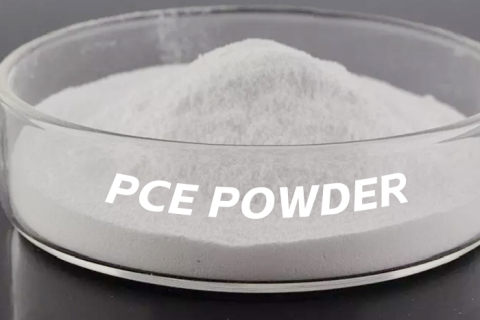
This article will provide a deep analysis of how Polycarboxylate Superplasticizer Powder (PCE Powder), as a key additive, imparts superior high flowability to self-leveling mortar, enabling a perfect surface finish while ensuring its physical strength meets design standards.

Hydroxyethyl Cellulose (HEC) is a non-ionic water-soluble cellulose ether widely used in self-leveling mortar to enhance its flowability and construction performance. This article briefly outlines the role, application specifications, and benefits of HEC in self-leveling mortar.
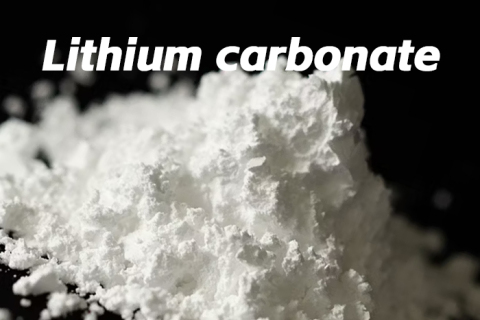
Cement-based self-leveling mortar is a material widely used for floor leveling in construction, known for its ease of application, excellent fluidity, and high strength. In recent years, lithium carbonate has become increasingly popular as an important additive in cement-based self-leveling mortars. This article explores the mechanisms of lithium carbonate in such mortars and the reasons behind its widespread adoption.
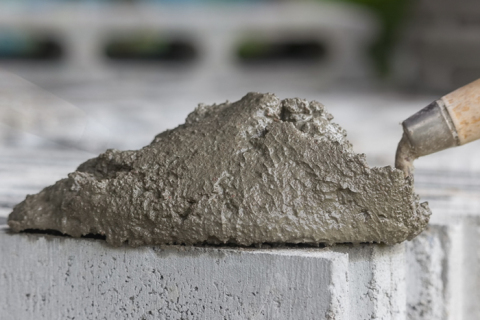
In the modern construction industry, VAE Redispersible Polymer Powder (RDP) has become an essential material for enhancing mortar performance. It not only improves the durability of the mortar but also effectively reduces construction costs, making it an indispensable innovative product in the building sector.