


- Home
- >
News
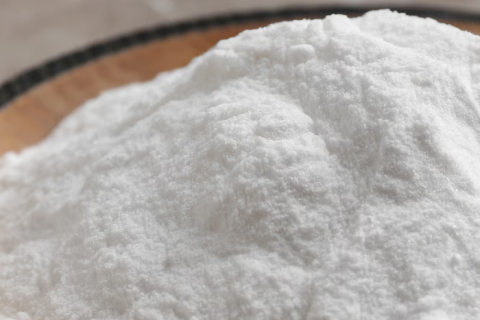
Self-leveling mortar is widely used in modern construction to create smooth and level flooring surfaces before installing tiles, vinyl flooring, or wooden floors. However, cracking is a common issue that may affect the durability of flooring systems. Understanding the causes of cracking and using proper additives such as Hydroxypropyl Methyl Cellulose HPMC can significantly improve mortar performance.
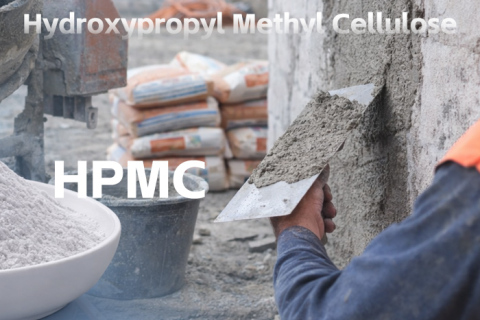
With the rapid development of modern building construction, dry-mix mortar systems such as tile adhesive, wall putty, and plaster mortar require stable workability, strong adhesion, and reliable water retention. Hydroxypropyl Methyl Cellulose HPMC has become a key functional additive to meet these performance demands.
In modern construction, tile adhesive and cement-based mortars often dry too quickly, especially in hot or dry environments. This leads to major challenges for contractors and manufacturers:
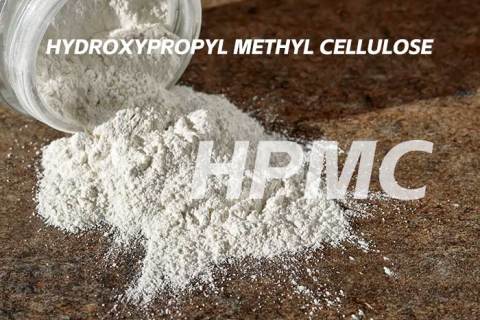
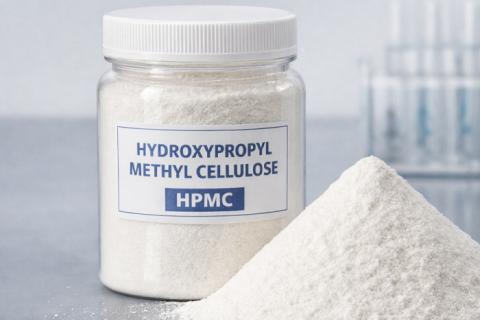
Hydroxypropyl Methyl Cellulose (HPMC) is a non-ionic cellulose ether derived from natural cellulose through chemical modification. It is a non-toxic, odorless, white to off-white powder that dissolves in cold water to form a transparent, viscous solution. Due to its unique chemical structure, HPMC imparts several key properties to dry-mix mortars: thickening, water retention, dispersion, and film-forming. These characteristics make it an indispensable additive in mortars based on cement, gypsum, and other materials.
With the increasing global focus on environmental protection, water-based coatings have become a market mainstream. However, enhancing the application performance, stability, and final finish of these coatings remains a key challenge for manufacturers. Hydroxyethyl Cellulose (HEC), a highly effective multifunctional additive, offers a core solution to these challenges.
Cement and mortar are vital for durable construction, and additives like Hydroxyethyl Cellulose (HEC), a water-soluble cellulose ether, significantly improve their performance. As a specialized chemical materials provider, we deliver high-quality HEC and support for various construction needs.