


- Home
- >
- News
- >
- Product News
- >
News
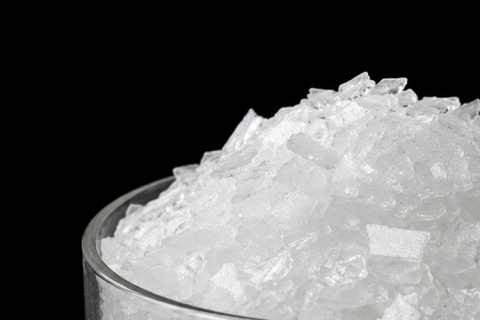
Choosing between HPEG monomer and TPEG monomer is one of the first decisions a polycarboxylate superplasticizer manufacturer makes when setting up or scaling a PCE production line. Both are polyether macromonomers used as polycarboxylate superplasticizer raw material in free radical copolymerization with acrylic acid to produce PCE admixtures. Both deliver high water reduction rates and good slump retention in concrete. But their chemical structures, reactivity profiles, and synthesis behavior differ in ways that directly affect production efficiency, finished PCE performance, and the range of applications your admixture can serve.
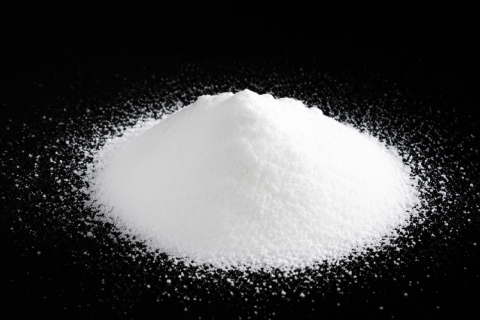
Repair mortar that cracks within weeks of application, loses bond to the substrate under vibration, or shrinks away from the edges of a repair patch is not a minor quality issue. It means rework, warranty claims, and loss of repeat business. For dry mix mortar manufacturers and construction chemical producers across Southeast Asia, Europe, and Asia, these failures consistently trace back to one missing or incorrectly dosed ingredient: Redispersible Polymer Powder.
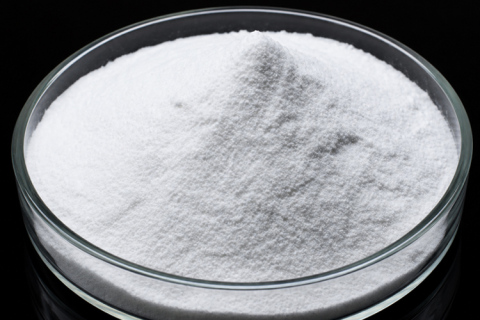
Redispersible Polymer Powder, known as RDP powder with CAS number 24937-78-8, is a spray-dried vinyl acetate-ethylene copolymer that redissolves in water during mixing and forms a flexible polymer film inside hardened mortar. In EIFS base coat and finish coat render, RDP powder is the additive that prevents cracking under thermal movement and provides the bond strength required for mesh-reinforced systems on exterior insulation boards.
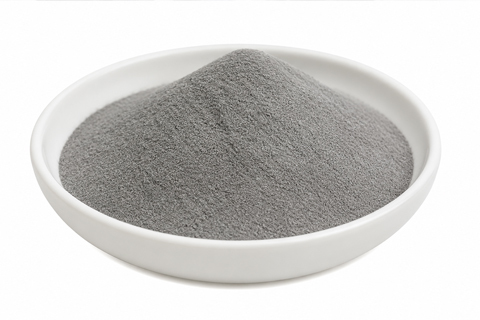
When a concrete structure needs to return to service in hours rather than days, standard Portland cement is the wrong material. It cannot reach structural strength in under 24 hours. It cannot harden at sub-zero temperatures. It cannot bond reliably to existing concrete at the tensile strength levels required for structural repair. Magnesium Phosphate Cement solves all three of these limitations simultaneously, making it the standard rapid hardening repair material for infrastructure, industrial, and cold-climate construction applications worldwide.
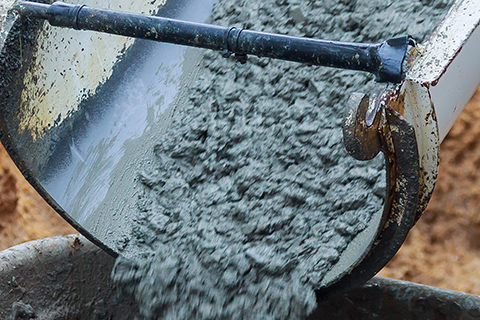
Concrete batching plant operators do not have time to dissolve powder or prepare admixture solutions before every production cycle. Ready-mix concrete producers running continuous batching operations need a liquid concrete water reducing admixture that doses accurately, disperses instantly at the point of mixing, and delivers consistent slump and water reduction from the first truck to the last. Polycarboxylate Superplasticizer Liquid is the standard solution for concrete plants across Southeast Asia, South Asia, Europe, and the broader Asian market where production speed, dosing precision, and slump retention over transport time are non-negotiable operational requirements.
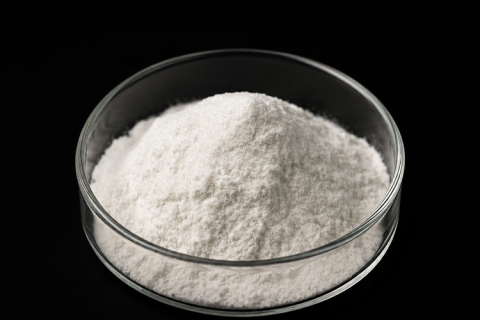
A self-leveling compound that bubbles, cracks, or fails to flow evenly across the floor surface is not a minor inconvenience. It means ripping out the entire pour, grinding the substrate, and starting over. For flooring contractors and dry mortar manufacturers across Southeast Asia, Europe, and Asia, the cost of a failed self-leveling pour is measured in wasted material, lost labor, project delays, and damaged customer relationships. In most cases, the failure traces back to one incorrectly specified or inconsistently supplied ingredient: Hydroxypropyl Methyl Cellulose.
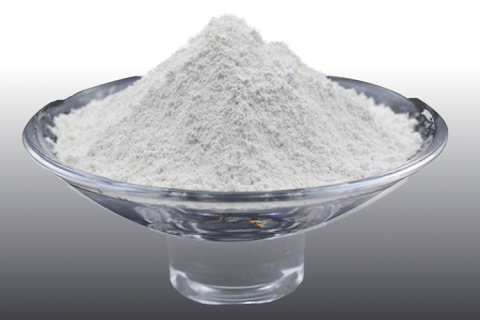
Manufacturers of artificial leather, flexible flooring, wallcovering, and industrial coatings share a common raw material requirement: a fine-particle, highly plasticizer-compatible resin that forms stable plastisol at room temperature and processes uniformly under heat. Polyvinyl Chloride Paste Resin is the material that makes all of these products possible. Without the right grade and the right supplier, production lines face viscosity inconsistency, surface defects, poor plasticizer absorption, and finished products that fail quality inspection before they reach the customer.
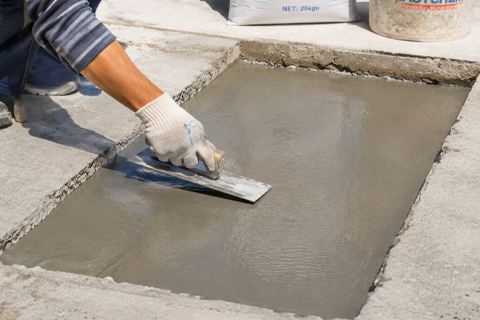
When a runway needs to reopen in two hours. When a highway repair cannot wait for a three-day cure. When a bridge expansion joint fails in the middle of winter at minus 15 degrees Celsius. Standard Portland cement-based repair mortars cannot meet these demands. Setting time measured in hours, cure time measured in days, and complete inability to harden in freezing temperatures make conventional repair materials the wrong tool for emergency and time-critical infrastructure repair.
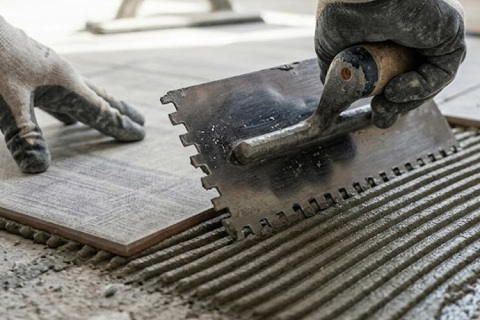
Tiles falling off walls six months after installation. Plaster cracking before the paint even goes on. Mortar that dries out before the worker finishes spreading it. These are not random site accidents. They are predictable failures that trace back to one missing or incorrectly specified ingredient in the dry mix mortar formula: Hydroxypropyl Methyl Cellulose. If your mortar, tile adhesive, or wall plaster is failing on site, this article explains exactly why HPMC powder is the solution and what to look for when sourcing it.
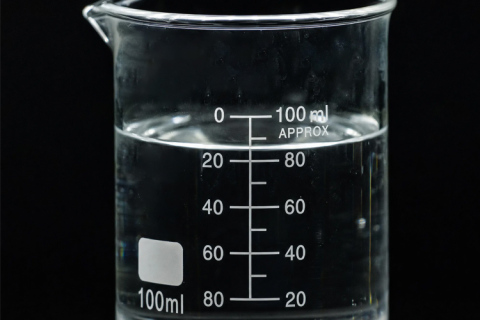
If your concrete floor is dusting, cracking, absorbing water, or losing surface strength under traffic and load, you are not dealing with a cosmetic problem. You are dealing with a structural vulnerability that gets worse over time and more expensive to fix with every month you wait. Lithium Silicate is the chemical solution that addresses all three of these problems at once, permanently, from within the concrete itself.
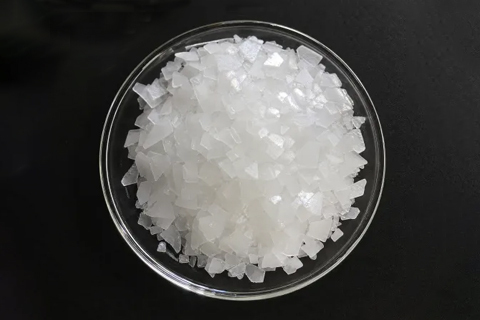
If you are producing polycarboxylate superplasticizer and your finished product is inconsistent in water reduction rate, losing slump retention performance, or failing to meet the technical specifications your customers demand, the problem likely starts at the monomer selection stage. VPEG-2400 and HPEG-2400 are the two most widely used polycarboxylate superplasticizer monomer types for PCE synthesis, and understanding the difference between them determines the performance ceiling of every batch of admixture you produce.
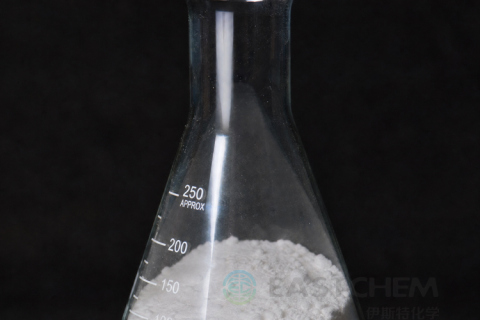
When concrete fails to flow, pump, or reach required strength, the admixture choice is often the root cause. For construction professionals across Southeast Asia, Europe, and Asia, Polycarboxylate Superplasticizer Powder has become the standard solution for high-performance concrete and dry mix mortar systems. This article explains what PCE powder does, where it is applied, and how to choose the right concrete admixture supplier.