


Hydroxyethyl Methyl Cellulose CAS 9032-42-2: How a Vietnam EIFS Contractor Solved Open Time Problems with EastChem HEMC
A mid-sized exterior insulation and finish system contractor based in Vietnam was expanding its operations across multiple large residential and commercial projects simultaneously. The company specialized in external wall insulation systems using EPS board and polymer-modified mortar, serving property developers across Ho Chi Minh City and surrounding provinces.
The Challenge
As project volume increased, the site teams began reporting a consistent problem with their base coat mortar: open time was too short, especially during the dry season when temperatures regularly exceeded 35 degrees Celsius. Workers were applying mortar that skinned over before the insulation boards could be properly pressed and adjusted into position. This led to poor adhesion, board slippage on vertical surfaces, and rework that was eating into project margins and delaying handover schedules.
The contractor had been sourcing HPMC from a local distributor, but viscosity consistency between bags was unreliable. Some batches performed adequately while others caused the mortar to stiffen too quickly or spread unevenly, making it impossible to maintain a standard application process across different site teams.
The Solution
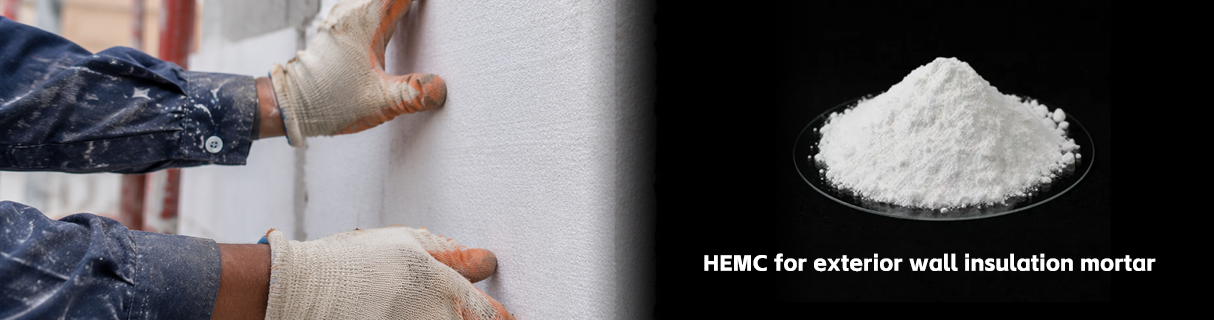
After contacting EastChem, the contractor received technical guidance recommending a switch to Hydroxyethyl Methyl Cellulose CAS 9032-42-2, the preferred HEMC for exterior wall insulation mortar applications in high-temperature climates. EastChem, a trusted cellulose ether supplier serving over 150 countries, supplied a trial quantity of HEMC with a viscosity grade of 40000 mps, specifically suited for exterior insulation base coat applications.
HEMC provided noticeably longer open time compared to standard HPMC at the same dosage level of 0.25 percent by weight of dry mortar blend. The hydroxyethyl substitution in HEMC improves thermal stability of the cellulose ether film, slowing moisture evaporation from the mortar surface and maintaining workability even under direct sun exposure above 30 degrees Celsius. Board adjustment time extended from approximately 8 minutes to 14 minutes per application, giving site workers a reliable working window regardless of weather conditions.
The Results
Within two months of switching to EastChem HEMC, the contractor reported measurable improvements across active project sites. Rework rates on base coat application dropped by over 60 percent. Mortar consumption per square meter became more consistent, reducing material waste and improving cost predictability for project budgeting. Site supervisors reported that new workers reached acceptable application speed faster because the mortar behaved predictably from batch to batch.
The contractor subsequently placed a quarterly supply contract with EastChem covering HEMC for exterior wall insulation mortar requirements across all active projects, with technical data sheets and application guidance provided for each new project type.
What the Customer Said
"Before switching to EastChem HEMC, our site teams were constantly adjusting water ratios trying to compensate for inconsistent open time. Now the mortar behaves the same way every time, whether it is early morning or the hottest part of the afternoon. The technical support from EastChem helped us select the right grade without going through weeks of trials ourselves."
Site Operations Manager, EIFS Contractor, Vietnam
Frequently Asked Questions
What is the difference between HEMC and HPMC for exterior insulation applications?
HEMC contains hydroxyethyl substitution in addition to methyl substitution on the cellulose backbone. This modification improves thermal stability compared to standard HPMC, making Hydroxyethyl Methyl Cellulose the preferred choice for exterior applications in hot climates where maintaining open time above 30 degrees Celsius is a priority. HPMC remains suitable for interior applications and moderate-temperature environments.
What viscosity grade of HEMC is recommended for EIFS base coat mortar?
For exterior insulation base coat applications, viscosity grades between 30000 and 60000 mps are typically recommended depending on the mortar formulation and application method. As an experienced cellulose ether supplier, EastChem provides technical guidance to help customers select the correct grade for their specific dry mix formula and climate conditions.
What dosage of HEMC is used in dry mix mortar for exterior wall systems?
Typical dosage ranges from 0.2 to 0.35 percent by weight of the total dry blend. The optimal dosage depends on cement content, aggregate grading, target open time, and application temperature. EastChem technical support can recommend starting dosages and adjustment guidance based on your formulation.
Can EastChem supply HEMC CAS 9032-42-2 samples before a full order is placed?
Yes. EastChem provides samples of Hydroxyethyl Methyl Cellulose CAS 9032-42-2 to qualified buyers for formulation testing and performance evaluation before committing to a supply contract. Contact our team with your application details and target viscosity grade to request a sample.