


- Home
- >
- News
- >
- Product News
- >
News
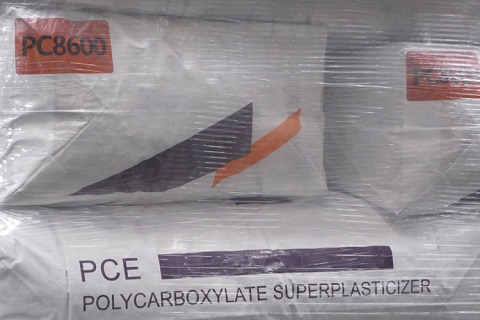
Three generations of superplasticizer chemistry are currently available to concrete admixture producers and ready-mix concrete operators across Southeast Asia, Europe, and Asia: naphthalene-based, melamine-based, and polycarboxylate-based. All three reduce water demand in concrete. All three improve workability at lower water-cement ratios. But their performance differences in water reduction efficiency, slump retention, dosage requirement, and compatibility with modern concrete mix designs are significant enough that choosing the wrong generation for your application produces concrete that underperforms specifications or costs more than necessary to produce. This article compares all three on the parameters that matter most for concrete production decisions.
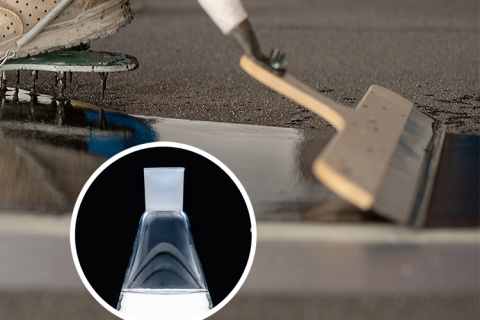
Polished concrete floors in retail stores, corporate offices, airports, hotels, and industrial facilities across Southeast Asia, Europe, and Asia are not produced by grinding alone. The grinding and polishing process that creates a reflective, durable concrete surface depends on Lithium Silicate densifier applied at the correct stage in the polishing sequence to harden the concrete matrix, increase surface hardness, and enable the fine polishing grits to produce a high-gloss finish that resists wear over years of heavy foot and vehicle traffic. Without Lithium Silicate, polished concrete surfaces wear prematurely, lose gloss under traffic, and dust continuously from the weak surface layer exposed by grinding.
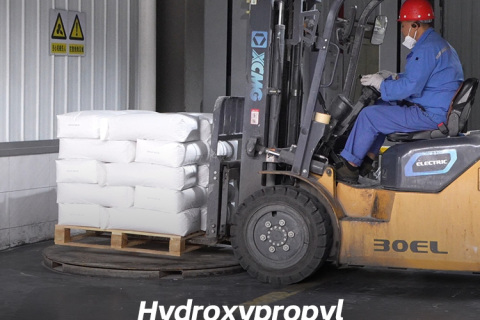
A building materials distributor operating across multiple provinces in Thailand was supplying bagged gypsum plaster products to plastering contractors serving residential and commercial construction projects. Demand for gypsum plaster had grown significantly as developers moved away from traditional cement render for interior wall finishing due to gypsum's faster application speed, smoother surface finish, and lower labor cost per square meter. The distributor had sourced their gypsum plaster from a regional manufacturer for two years without significant problems. That changed during a period of rapid volume growth when the manufacturer switched HPMC supplier to reduce raw material cost.
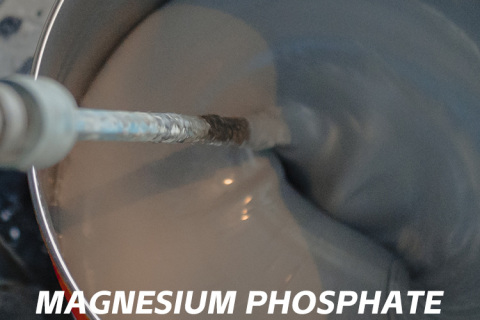
When a structural concrete repair specification lands on your desk, three material options typically appear in the comparison: Portland cement based repair mortar, epoxy resin repair compound, and Magnesium Phosphate Cement. Each has legitimate applications. Each has performance limitations that make it the wrong choice in certain conditions. Choosing incorrectly means either paying for performance your project does not need or specifying a material that fails the application requirements and generates rework. This article compares all three on the parameters that matter most to infrastructure contractors, maintenance engineers, and construction chemical distributors across Southeast Asia, Europe, and Asia.
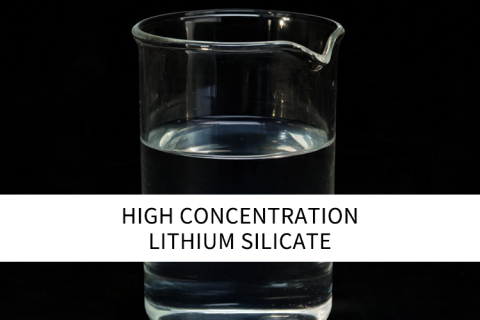
High Concentration Lithium Silicate, carrying CAS number 10102-24-6, is a lithium silicate solution with solid content above 25 to 30 percent, significantly higher than standard grade lithium silicate products at 15 to 20 percent solid content. The higher active silicate concentration per liter of product delivers more reactive material into the concrete pore structure per application, making it the correct specification for dense, hard, low-absorption concrete surfaces where standard concentration densifiers penetrate too slowly or deliver insufficient reactive silicate to achieve the target surface hardness improvement.
A polycarboxylate superplasticizer that delivers consistent water reduction and slump retention on Monday and inconsistent performance on Friday, with no change to the synthesis process or dosage, is not a formulation problem. It is a raw material problem. For PCE admixture manufacturers across Southeast Asia, South Asia, and Europe, batch-to-batch performance variation in finished PCE is one of the most operationally damaging quality problems they face, because it transfers directly to their customers' concrete production and generates complaints that are difficult to trace back to the admixture source without systematic raw material testing.
Lithium silicate is the preferred concrete densifier and floor hardener for polished concrete, industrial flooring and infrastructure. Expert guide to chemistry, grades, application and global sourcing.
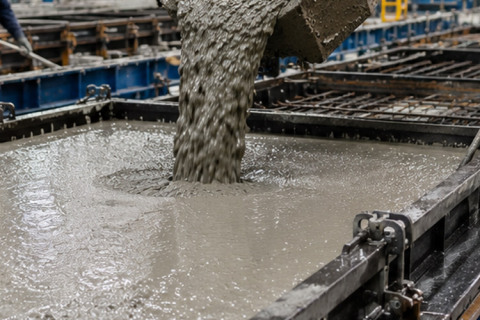
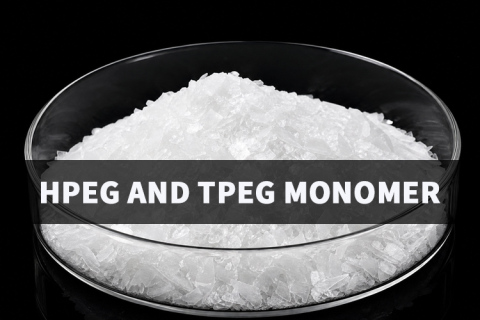
For PCE admixture manufacturers supplying precast concrete producers across Southeast Asia, Europe, and Asia, choosing between HPEG monomer and TPEG monomer is not a procurement decision. It is a product development decision that determines whether your admixture meets precast specifications or falls short.
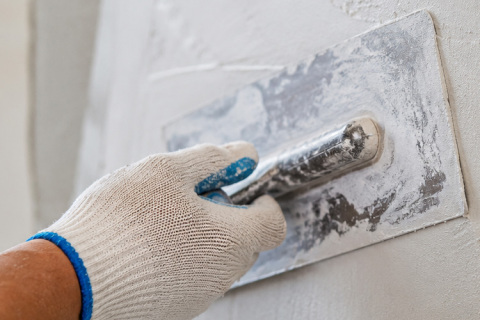
Gypsum based mortar systems present a different set of performance challenges compared to cement based systems. Gypsum sets faster, has lower tensile strength, and is more sensitive to moisture than Portland cement. These characteristics make polymer modification with VAE Redispersible Polymer Powder not just beneficial but necessary in gypsum plaster, gypsum self-leveling compound, and gypsum tile adhesive formulations where bond strength, crack resistance, and surface hardness are performance requirements that unmodified gypsum cannot meet alone.

Cement render that cracks within the first season, falls off facades during heavy rain, or develops uneven texture across a single wall is rarely a problem with the sand or cement ratio. In most cases, the cause is incorrect or insufficient Hydroxypropyl Methyl Cellulose in the render formulation. For dry mix mortar manufacturers and construction chemical producers supplying render products across Southeast Asia, Europe, and the broader Asian market, understanding exactly what HPMC does in render and how to select the correct grade prevents the most common and costly render failures in the field.
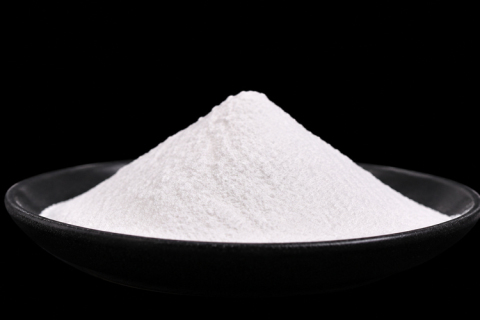
If you are importing Polycarboxylate Superplasticizer Powder for resale to concrete admixture producers or dry mix mortar manufacturers, product grade selection and supplier quality verification are the two decisions that determine whether your customers reorder or switch to a competitor after the first shipment. PCE powder is not a commodity. It is a performance chemical where grade, active content, and batch consistency directly affect the concrete or mortar your customer produces. This guide covers what importers and distributors need to know before placing the first order.
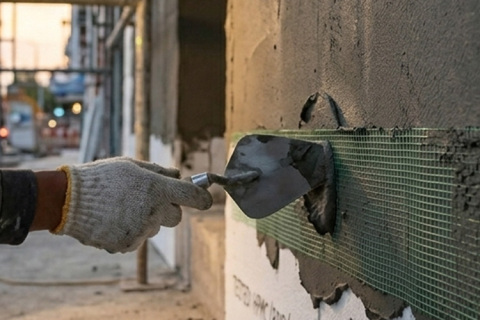
A well-performing EIFS base coat mortar depends on three additives working as a system. Hydroxypropyl Methyl Cellulose provides water retention and workability. Redispersible Polymer Powder provides flexibility and bond strength to insulation boards. Polycarboxylate Superplasticizer reduces water demand and improves application consistency. The HPMC RDP and PCE admixture combination is what separates a high-performance EIFS base coat from one that cracks, debonds, or fails under thermal cycling within the first year of service. When any one of the three is missing or incorrectly specified, the entire system underperforms in ways that are difficult to diagnose without understanding how the three components interact.