


- Home
- >
News
In commercial and residential construction, flooring systems must deliver durability, chemical resistance, and dimensional stability across demanding service environments. PVC paste resin is the foundational raw material that makes this possible. As an emulsion grade PVC resin produced through emulsion polymerization, it forms the basis of plastisol compounds used in vinyl sheet flooring, luxury vinyl tile, and industrial floor coatings — making Polyvinyl Chloride Paste Resin the most versatile flooring raw material in modern construction.
As global construction standards rise, the choice of polycarboxylate superplasticizer raw material has become increasingly critical. At the heart of every high-performance PCE admixture lies the monomer selection — and for formulators worldwide, HPEG monomer for polycarboxylate superplasticizer and TPEG monomer concrete admixture represent the two most widely adopted options available today.
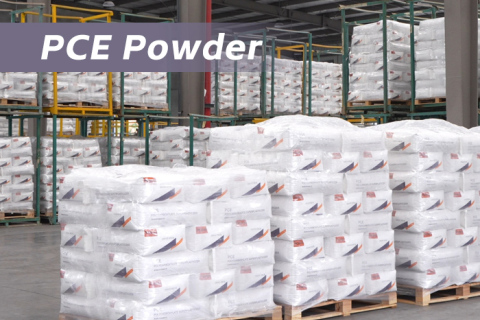
Polycarboxylate Superplasticizer Powder (PCE Powder) is a high-efficiency water-reducing additive widely used in modern dry-mix mortar formulations. Its advanced molecular structure allows cement particles to disperse effectively, resulting in improved workability, flowability, and mechanical performance. In addition, PCE Powder helps reduce water demand while maintaining high early and final strength, making it a core component in high-performance construction materials.
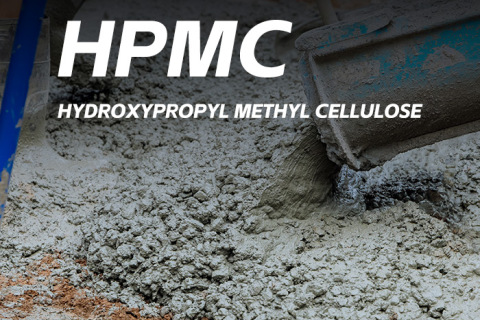
Hydroxypropyl Methyl Cellulose (HPMC) is a high-performance cellulose ether widely used in dry-mix mortar formulations. Its multifunctional role in water retention, workability enhancement, thickening behavior, and open time extension makes HPMC one of the indispensable additives in today’s construction materials. This article explains the technical mechanisms of HPMC and its contribution to consistent mortar performance and long-term durability.
Lithium silicate is a high-performance inorganic treatment used to densify, harden, and protect concrete surfaces. Because of its small ionic radius and favorable reaction kinetics with free calcium in cementitious matrices, lithium silicate is widely adopted where long-term abrasion resistance, low dusting, and improved chemical resistance are required.
While Lithium Silicate is most widely known for its application as a flooring hardener, its superior chemical properties also allow it to play a crucial role in architectural coatings and specialty binders. Compared to sodium or potassium silicates, Lithium Silicate has a smaller molecular structure and unique solubility, making it an ideal additive for high-performance building chemicals.
In modern construction, material performance directly impacts building quality and longevity. Lithium Silicate, with its exceptional durability, impermeability, and environmental benefits, is becoming an ideal choice for building materials. As a professional chemical supplier, we provide high-quality lithium silicate products to help clients enhance construction quality and performance.
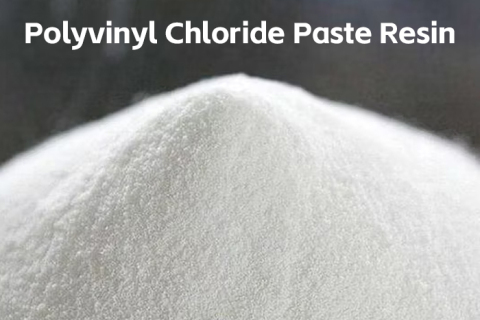
In the modern construction industry, material selection has a profound impact on project performance, cost, and sustainability. As a versatile polymer material, Polyvinyl Chloride Paste Resin (PVC Paste Resin) is becoming an important choice in the construction field due to its unique properties.
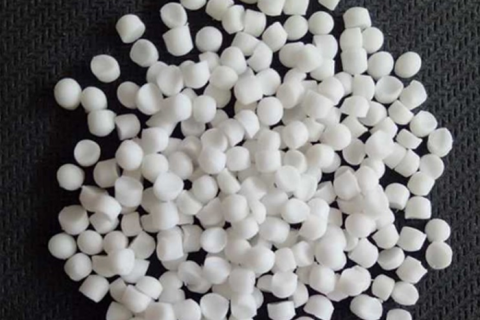
In recent years, with the wide application of PVC paste resin in many fields, such as construction, automobiles, electronics and packaging, its market demand has continued to grow. However, as the industry enters a new round of adjustment period, the production capacity of PVC paste resin is expected to show a trend of increasing first and then decreasing in the next five years.
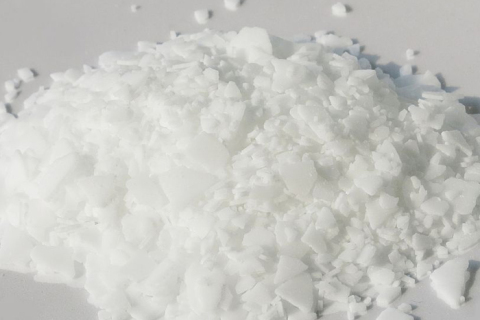
PVC paste resin is widely used in artificial leather, wallpaper, floor leather, canvas coating, battery separator, industrial conveyor belt, boots, gloves, toys and other fields. PVC paste resin is generally processed in the form of plasticized paste. The molding methods include dip molding, coating, slush molding and spraying. The viscosity of the plasticized paste under specific conditions is usually used to evaluate the processing performance of the paste.
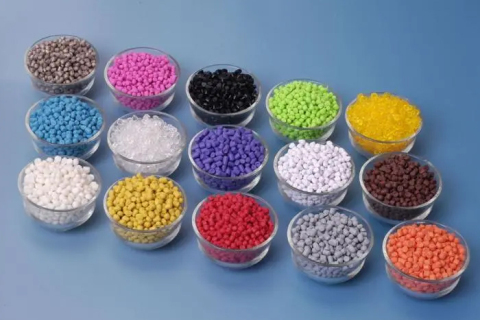
Polyvinyl chloride (PVC) paste resin, as the name suggests, is mainly used in the form of paste. People often call this paste plasticizer, which is a unique liquid form of PVC plastic in its unprocessed state. . Paste resin is often produced by emulsion and microsuspension methods.
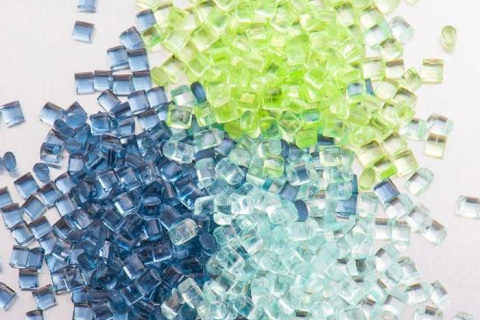
PVC paste resin is mainly used to make artificial leather, floor leather, impregnated gloves, screens, paddy boots, tool handles, wallpaper, floor rolls, battery separators, toys, metal coatings, hoses, car interiors, bags, shoes, Bottle cap lining, ink, adhesive and other products.