

- Home
- >
News
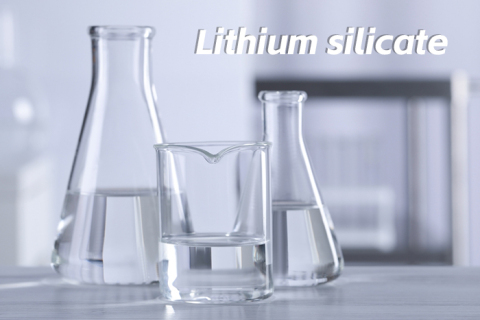
In modern construction, material performance directly impacts building quality and longevity. Lithium Silicate, with its exceptional durability, impermeability, and environmental benefits, is becoming an ideal choice for building materials. As a professional chemical supplier, we provide high-quality lithium silicate products to help clients enhance construction quality and performance.
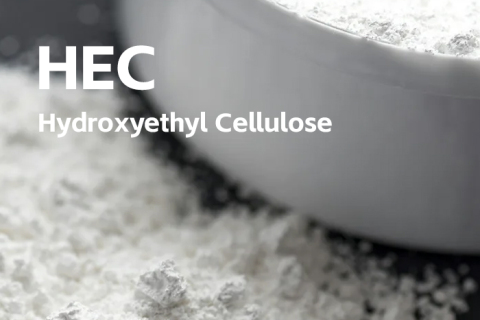
From improving construction efficiency to meeting green building standards, the unique chemical properties of HEC make it an indispensable "performance enhancer" in the construction field.
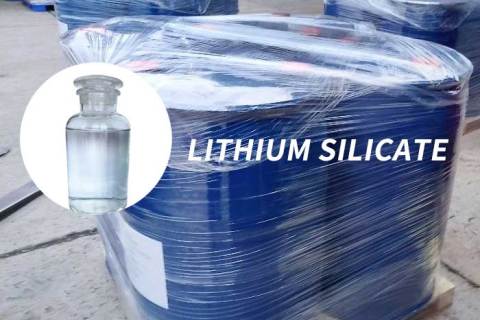
As the demand for new materials in the construction industry continues to grow, lithium silicate has emerged as a high-performance building material that has gained wide attention. Its unique chemical and physical properties make it a valuable component in concrete, coatings, and other construction materials. This article will explore the characteristics, applications, market trends, and future development directions of lithium silicate.
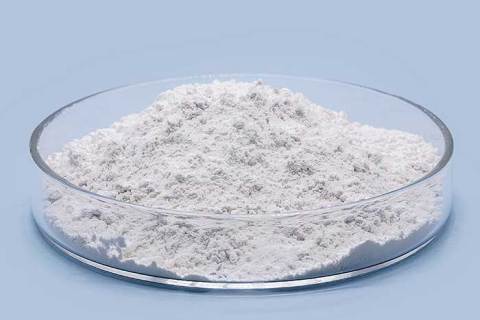
In modern construction materials, Lithium Carbonate is emerging as an essential functional additive. It not only enhances the durability of concrete but also optimizes the properties of glass, ceramics, and coatings, making buildings stronger, more aesthetic, and environmentally friendly.
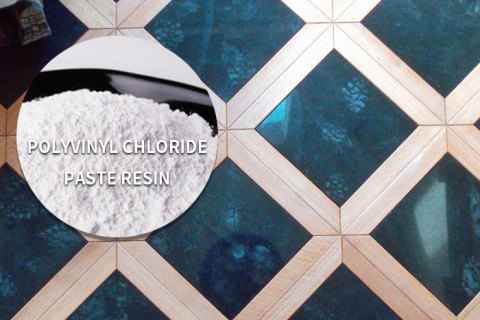
Polyvinyl Chloride Paste Resin plays an important role in various industries due to its excellent performance and wide range of applications. Here are its main application areas.
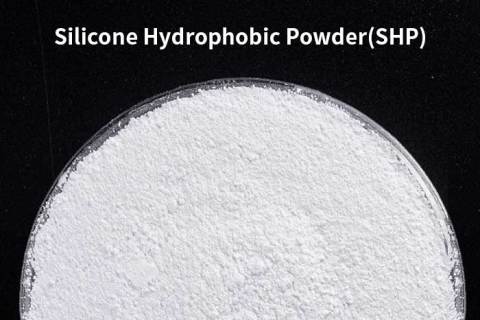
In the ever-evolving construction industry, we face various challenges, such as the durability, corrosion resistance, and thermal insulation performance of buildings. The emergence of silicone hydrophobic powder has brought forth a novel solution to these problems.
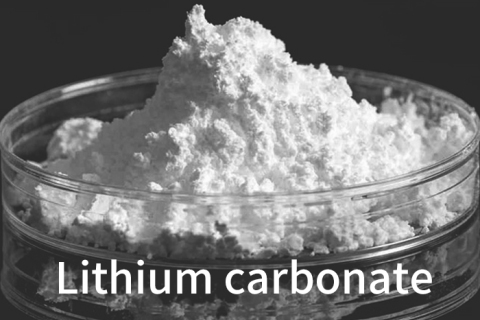
In the modern construction industry, lithium carbonate is gradually being used in various sectors, particularly in improving material performance, enhancing stability, and promoting environmental sustainability. As an effective additive, lithium carbonate plays an increasingly important role in the construction field.
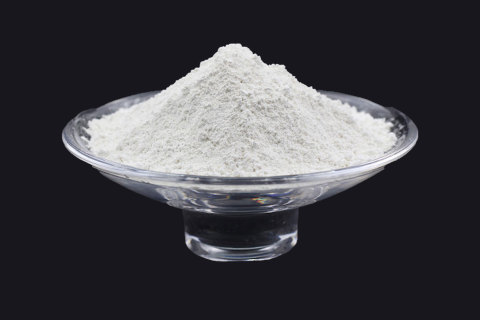
Emulsion Grade White Powder Polyvinyl Chloride (PVC Paste Resin) has extensive applications in the building sector, including in foam leathers, wallpapers, the foam layer of elastic floors, and coated fabrics and canvas coatings. Its superior properties such as softness, durability, water resistance, and abrasion resistance make it a crucial component in building materials. The use of PVC Paste Resin not only enhances the functionality of materials but also improves the aesthetics and comfort of buildings.
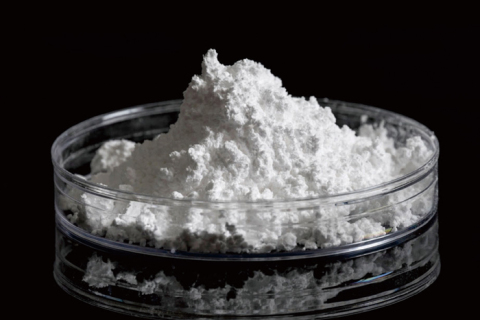
Lithium carbonate is revolutionizing the construction industry in Southeast Asia by enhancing concrete performance, improving ceramic and glass quality, and enhancing coating durability. Its unique properties make it a vital material for increasing building longevity and meeting the region's diverse architectural demands.
Lithium silicate, also known as lithium water glass, is a compound formed by combining metallic lithium with a silicate structure. The molecular formula is: Li2SiO3. Lithium silicate is an odorless, tasteless, transparent liquid with a pH value of around 11, which is alkaline. Soluble in water and alkaline solutions, but insoluble in alcohol and organic solvents.
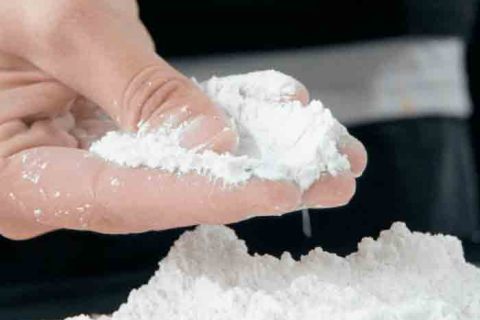
Method and selection of using hydroxypropyl methyl cellulose (HPMC) in different application scenarios. For concrete putty powder, choose HPMC with a viscosity of 100000 and mix it directly with dry powder in a ratio of 3/1000. When using, add water directly because the cellulose has been completely mixed with the putty powder and there will be no agglomeration phenomenon. For the preparation of building adhesives, choose cold water soluble cellulose with a viscosity of 200000 and adjust the dosage as needed. HPMC gradually shows consistency after being placed in water, reaching its maximum consistency within approximately ten minutes. For spraying applications, choose cold water instant HPMC, with a shorter initial viscosity time as long as it does not clump.