


- Home
- >
News
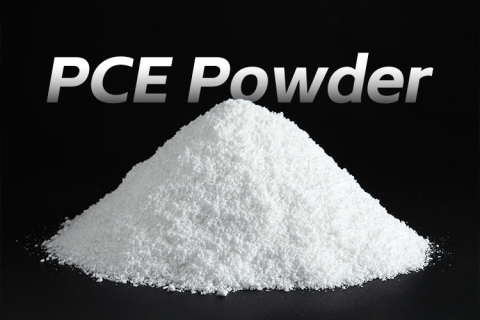
High strength concrete grades C60 to C100 are specified for high-rise structural columns, bridge girders, precast prestressed elements, and infrastructure foundations where design loads, durability requirements, and service life targets exceed what standard concrete grades can deliver. Producing these concrete grades consistently requires water-cement ratios of 0.25 to 0.35, which are not achievable without a high-performance water reducing admixture that maintains workability at these low water contents without compromising setting time or strength development. Polycarboxylate Superplasticizer Powder is the admixture that makes high strength concrete production reliable and consistent at industrial scale.
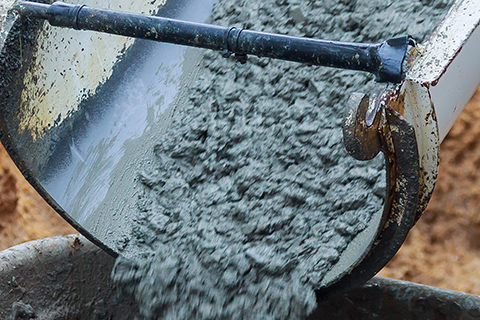
Concrete batching plant operators do not have time to dissolve powder or prepare admixture solutions before every production cycle. Ready-mix concrete producers running continuous batching operations need a liquid concrete water reducing admixture that doses accurately, disperses instantly at the point of mixing, and delivers consistent slump and water reduction from the first truck to the last. Polycarboxylate Superplasticizer Liquid is the standard solution for concrete plants across Southeast Asia, South Asia, Europe, and the broader Asian market where production speed, dosing precision, and slump retention over transport time are non-negotiable operational requirements.
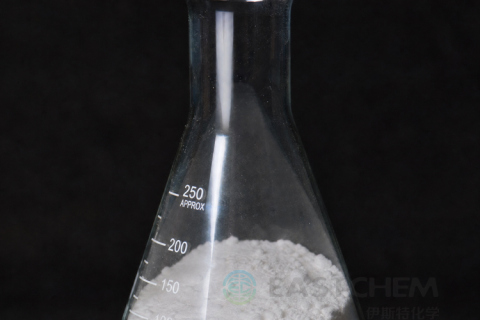
When concrete fails to flow, pump, or reach required strength, the admixture choice is often the root cause. For construction professionals across Southeast Asia, Europe, and Asia, Polycarboxylate Superplasticizer Powder has become the standard solution for high-performance concrete and dry mix mortar systems. This article explains what PCE powder does, where it is applied, and how to choose the right concrete admixture supplier.
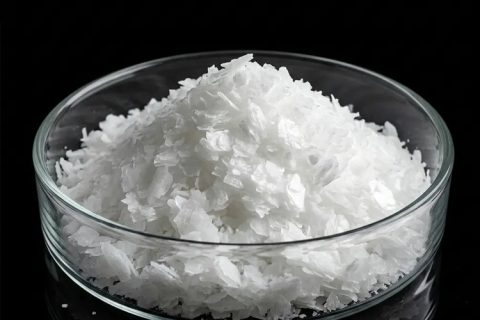
Behind every high-performance polycarboxylate superplasticizer used in modern concrete construction sits a single critical raw material decision: which polyether macromonomer to use, and at what molecular weight. HPEG TPEG monomer selection is the variable that determines the water reduction efficiency, slump retention profile, and cement compatibility of the finished PCE admixture — and it is a decision that most admixture producers revisit every time they enter a new market or encounter a new cement type. This article examines how HPEG and TPEG polyether macromonomer grades perform in real construction admixture applications, and what differentiates a reliable polycarboxylate superplasticizer monomer supplier from one that creates production headaches.
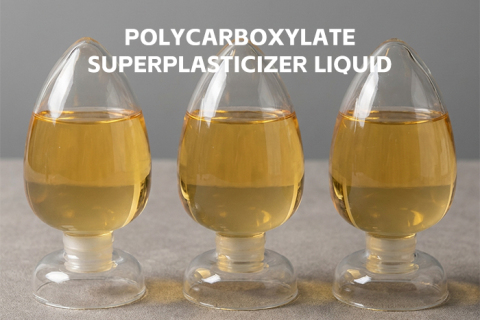
In ready-mix concrete production, consistency is everything. A batch plant running twenty to thirty trucks a day cannot afford admixture performance that varies with temperature, cement source, or operator technique. Polycarboxylate Superplasticizer Liquid is the admixture format that ready-mix operations worldwide have standardized on — and for good reason. Its high water reduction efficiency, precise dosing characteristics, and immediate dispersing action make PCE liquid superplasticizer the benchmark admixture for modern concrete production.