


- Home
- >
News
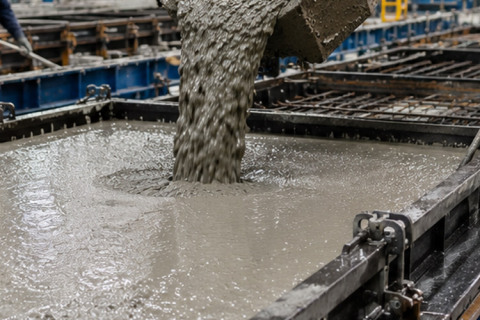
For PCE admixture manufacturers supplying precast concrete producers across Southeast Asia, Europe, and Asia, choosing between HPEG monomer and TPEG monomer is not a procurement decision. It is a product development decision that determines whether your admixture meets precast specifications or falls short.
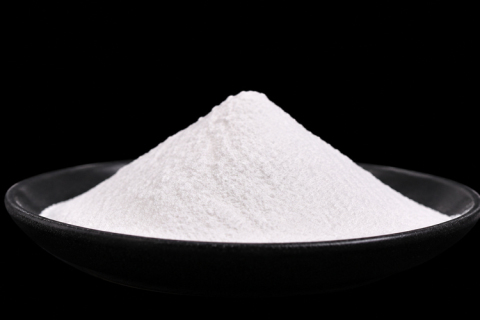
If you are importing Polycarboxylate Superplasticizer Powder for resale to concrete admixture producers or dry mix mortar manufacturers, product grade selection and supplier quality verification are the two decisions that determine whether your customers reorder or switch to a competitor after the first shipment. PCE powder is not a commodity. It is a performance chemical where grade, active content, and batch consistency directly affect the concrete or mortar your customer produces. This guide covers what importers and distributors need to know before placing the first order.
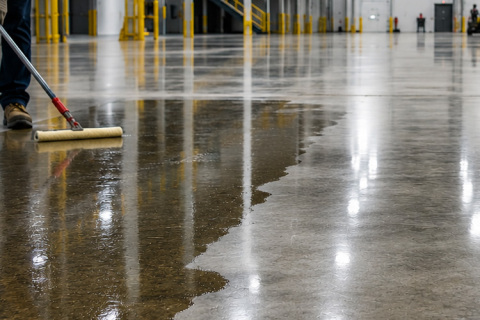
Not all Lithium Silicate grades perform the same on concrete floors. This guide covers how to select the right solid content, silica-to-lithia ratio, and particle size for your specific application, whether you are treating new industrial floors, producing polished concrete, or hardening old dense substrates. Includes a grade comparison table and application rate guide. EastChem supplies Lithium Silicate CAS 10102-24-6 in standard and colloidal grades with full technical support.
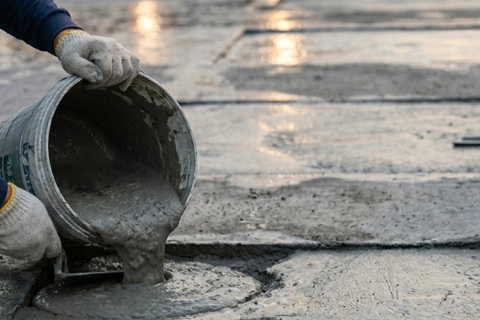
A road repair that lasts three months is not a repair. It is a recurring cost. For highway maintenance contractors, municipal road authorities, and infrastructure operators across Southeast Asia, Europe, and Asia, the cycle of patching the same pothole or joint failure every season is one of the most persistent operational problems in pavement maintenance. The patch material cures too slowly, cannot open to traffic before it reaches adequate strength, shrinks away from the existing pavement at the edges, or simply cannot withstand the repeated dynamic loading of heavy vehicles before failing again.
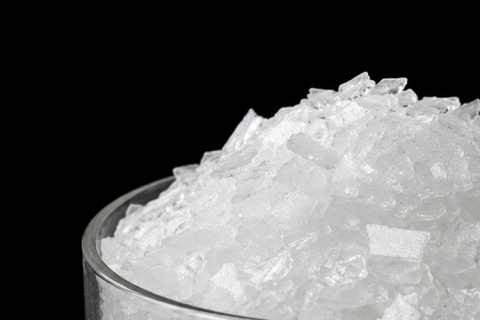
Choosing between HPEG monomer and TPEG monomer is one of the first decisions a polycarboxylate superplasticizer manufacturer makes when setting up or scaling a PCE production line. Both are polyether macromonomers used as polycarboxylate superplasticizer raw material in free radical copolymerization with acrylic acid to produce PCE admixtures. Both deliver high water reduction rates and good slump retention in concrete. But their chemical structures, reactivity profiles, and synthesis behavior differ in ways that directly affect production efficiency, finished PCE performance, and the range of applications your admixture can serve.
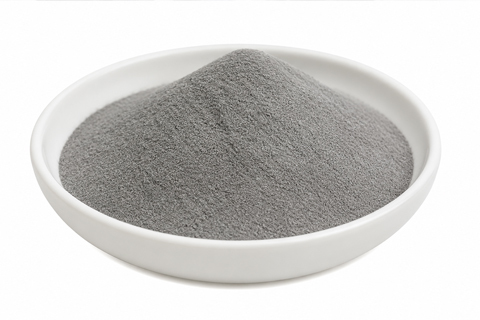
When a concrete structure needs to return to service in hours rather than days, standard Portland cement is the wrong material. It cannot reach structural strength in under 24 hours. It cannot harden at sub-zero temperatures. It cannot bond reliably to existing concrete at the tensile strength levels required for structural repair. Magnesium Phosphate Cement solves all three of these limitations simultaneously, making it the standard rapid hardening repair material for infrastructure, industrial, and cold-climate construction applications worldwide.
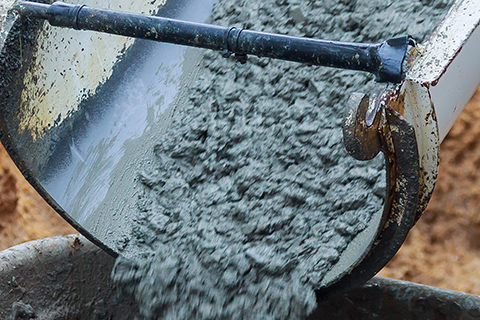
Concrete batching plant operators do not have time to dissolve powder or prepare admixture solutions before every production cycle. Ready-mix concrete producers running continuous batching operations need a liquid concrete water reducing admixture that doses accurately, disperses instantly at the point of mixing, and delivers consistent slump and water reduction from the first truck to the last. Polycarboxylate Superplasticizer Liquid is the standard solution for concrete plants across Southeast Asia, South Asia, Europe, and the broader Asian market where production speed, dosing precision, and slump retention over transport time are non-negotiable operational requirements.
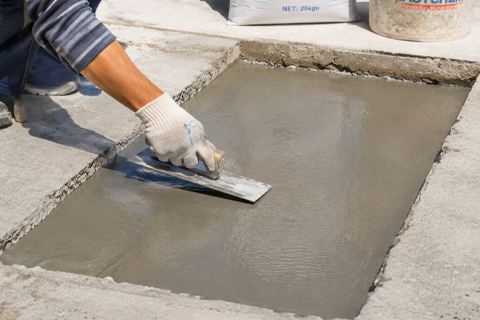
When a runway needs to reopen in two hours. When a highway repair cannot wait for a three-day cure. When a bridge expansion joint fails in the middle of winter at minus 15 degrees Celsius. Standard Portland cement-based repair mortars cannot meet these demands. Setting time measured in hours, cure time measured in days, and complete inability to harden in freezing temperatures make conventional repair materials the wrong tool for emergency and time-critical infrastructure repair.
If your concrete floor is dusting, cracking, absorbing water, or losing surface strength under traffic and load, you are not dealing with a cosmetic problem. You are dealing with a structural vulnerability that gets worse over time and more expensive to fix with every month you wait. Lithium Silicate is the chemical solution that addresses all three of these problems at once, permanently, from within the concrete itself.
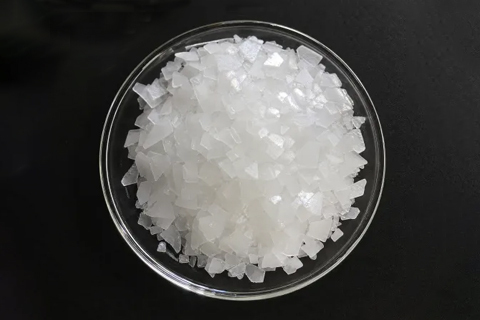
If you are producing polycarboxylate superplasticizer and your finished product is inconsistent in water reduction rate, losing slump retention performance, or failing to meet the technical specifications your customers demand, the problem likely starts at the monomer selection stage. VPEG-2400 and HPEG-2400 are the two most widely used polycarboxylate superplasticizer monomer types for PCE synthesis, and understanding the difference between them determines the performance ceiling of every batch of admixture you produce.
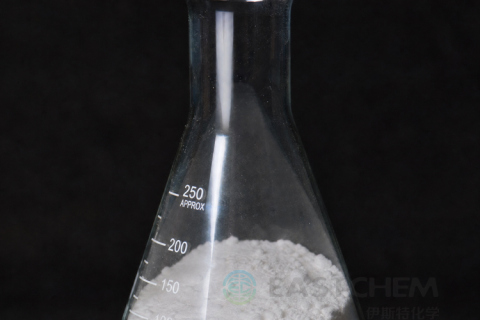
When concrete fails to flow, pump, or reach required strength, the admixture choice is often the root cause. For construction professionals across Southeast Asia, Europe, and Asia, Polycarboxylate Superplasticizer Powder has become the standard solution for high-performance concrete and dry mix mortar systems. This article explains what PCE powder does, where it is applied, and how to choose the right concrete admixture supplier.
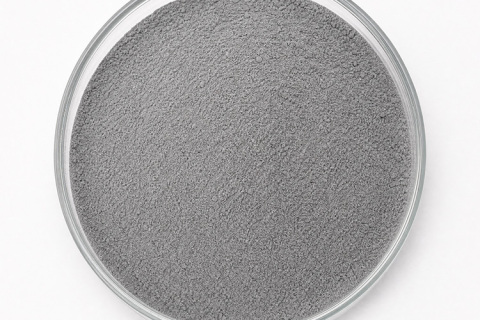
In high-stakes infrastructure maintenance, time is the ultimate currency. Whether managing a bustling commercial airport, a high-traffic highway, or a massive cold-storage logistics center, shutting down operations for concrete maintenance is an expensive nightmare. Standard concrete requires days, if not weeks, to fully cure, leading to costly operational downtime, traffic congestion, and missed deadlines. If you are a general contractor, a municipal procurement manager, or an engineering consultant searching for a premium material that eliminates downtime, Magnesium Phosphate Cement (MPC) is the definitive answer.