


- Home
- >
News
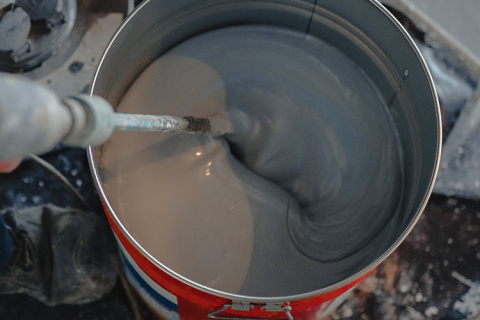
For dry mix mortar manufacturers across Southeast Asia, South Asia, and Europe, batch-to-batch consistency determines customer retention and brand reputation. When mortar performance varies without any change to the formulation, the root cause is almost always one ingredient: Polycarboxylate Superplasticizer Powder. This article covers the four most common dry mortar production problems caused by inconsistent PCE powder and how selecting the right grade eliminates them.
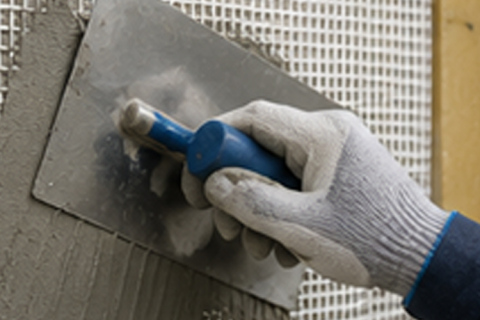
Buying the wrong grade of VAE Redispersible Polymer Powder is one of the most common and costly formulation mistakes in dry mix mortar production. The finished mortar passes lab testing, goes into production, reaches the customer, and then fails on site in ways that are difficult to trace back to the admixture. Tiles debond after six months. Render cracks in the first winter. Self-leveling compound delaminates under foot traffic. In most cases, the root cause is not the formulation dosage but the RDP powder grade: wrong glass transition temperature, wrong ash content range, wrong hydrophobicity level, or wrong flexibility class for the application. This guide explains how to select RDP powder grades systematically so that your mortar performs as designed from the first production batch.
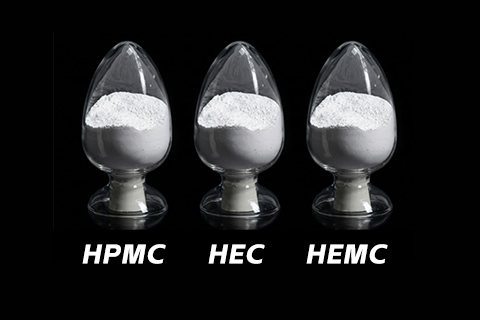
Walk into any dry mix mortar formulation discussion and the same question comes up repeatedly: should this product use HPMC, HEC, or HEMC? All three are cellulose ethers, all three provide water retention and thickening, and all three are sold by suppliers claiming their grade is the best fit. For dry mortar manufacturers and construction chemical formulators across Southeast Asia, Europe, and Asia, choosing the wrong cellulose ether means reformulation, wasted trial batches, and finished products that underperform in the field. This article explains the real chemical differences between Hydroxypropyl Methyl Cellulose, Hydroxyethyl Cellulose, and Hydroxyethyl Methyl Cellulose, and which one fits which application.
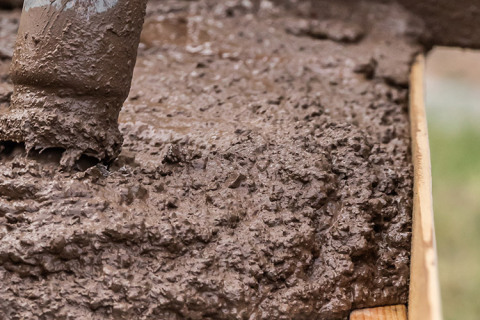
Lithium Carbonate, carrying CAS number 554-13-2, is an inorganic lithium salt with the chemical formula Li2CO3. In construction chemistry, it functions as a lithium carbonate cement accelerator by speeding up the hydration reaction between cement and water, promoting early formation of calcium silicate hydrate phases that give cementitious systems their strength. The result is faster setting time, higher early compressive strength, and shorter waiting time before a repaired or newly placed surface can return to service.
Formulating dry mix mortars that consistently deliver high performance under diverse environmental conditions requires an explicit understanding of additive chemistry. For global formulators and building material distributors, Hydroxypropyl Methyl Cellulose stands as the foundational water retention agent driving the modern dry mix industry. While alternative cellulose ethers exist, the specific structural properties of HPMC construction grade polymers offer balanced open time, sag resistance, and workability that make it indispensable for standard and premium construction applications worldwide.
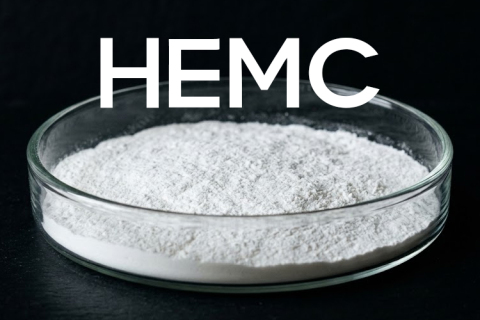
If you are formulating dry mix mortar for markets where summer ambient temperatures regularly exceed 35°C — and you have been using HPMC cellulose ether as your standard water retention agent — there is a performance argument for HEMC that most formulators have not fully evaluated.
In modern construction projects, mortar failure remains one of the most frequent and frustrating problems. From tile debonding and hollowing to cracked plaster and poor workability, these issues lead to costly rework, project delays, and damaged reputations. As construction standards rise — especially in hot climates like the Middle East, Southeast Asia, and Africa — traditional cement mortar often falls short. Common on-site problems include:
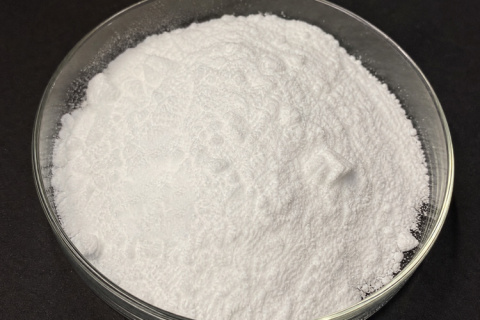
Tile hollowing, cracking, and detachment are some of the most common problems in modern construction projects. As ceramic tiles and porcelain slabs become larger and heavier, traditional cement mortar often cannot provide sufficient bonding strength and flexibility.
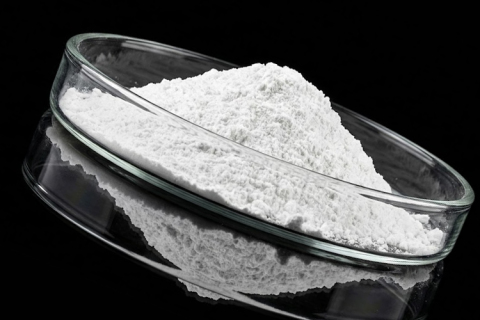
As a leading manufacturer of construction-grade cellulose ethers, we provide premium Hydroxypropyl Methyl Cellulose (HPMC) specifically designed for dry-mix mortar, tile installation, floor leveling, external insulation, and gypsum plaster systems. Our HPMC powder delivers consistent viscosity, outstanding water retention, and excellent workability — solving real problems on job sites around the world.
There are three concrete problems that show up repeatedly across construction projects in hot, humid climates and high-speed urban construction environments. Setting time that cannot be controlled tightly enough for rapid formwork cycling. Early strength development that fails to meet stripping schedules. And long-term cracking that appears months after completion in structures that passed every quality check at handover.
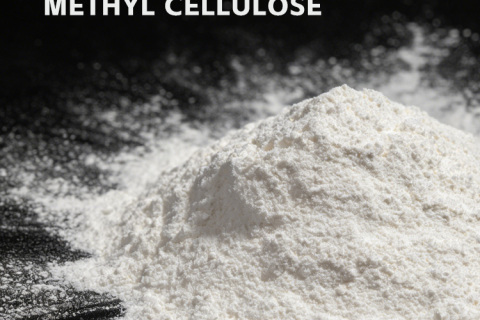
Self-leveling compound is one of the few dry mix mortar products where getting the HPMC specification wrong produces an immediate, visible failure — not one that takes months to appear. Too much viscosity and the compound does not self-level. Too little and it flows but bleeds, segregates, and produces a weak, dusty surface. The margin between these two failure modes is narrow, and Hydroxypropyl Methyl Cellulose is the additive that defines where that margin sits.
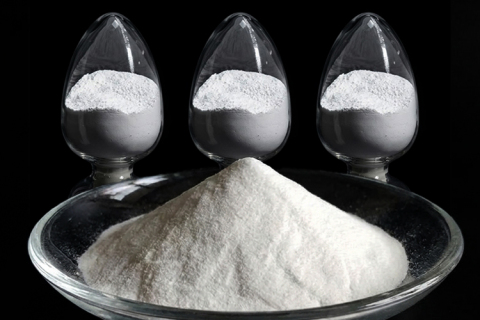
In dry mix mortar production, most performance problems are invisible until they appear on a construction site. Cracking that shows up three weeks after application. Tiles that delaminate six months after installation. Render that dusts off under finger pressure. These failures rarely trace back to cement quality or aggregate grading. In the majority of cases, they trace back to HPMC cellulose ether — either the wrong grade, the wrong dosage, or an inconsistent supply that performed differently batch to batch without anyone catching it at the production stage.