


- Home
- >
News
Gypsum plaster has displaced cement-sand render as the interior wall finishing material of choice across much of Asia, the Middle East, and Eastern Europe. Its faster setting, smoother finish, and lighter weight make it the practical preference for developers and contractors working under tight construction schedules. But gypsum is a less forgiving system than cement when it comes to additive selection. The wrong HPMC cellulose ether grade does not just reduce performance — it can actively disrupt the gypsum hydration reaction in ways that produce setting failures, surface defects, and application problems that are difficult to diagnose without understanding the underlying chemistry.
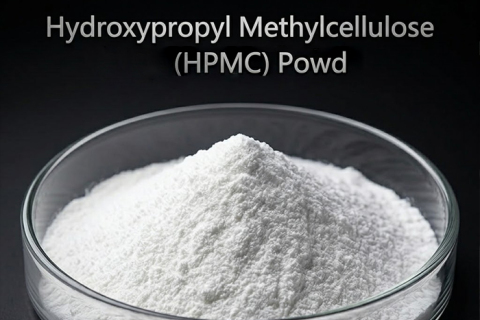
Tile adhesive looks simple on paper. Cement, sand, a few additives, mix with water. But anyone who has watched a large-format tile slide down a wall thirty minutes after installation knows that the chemistry underneath matters enormously. The additive that makes or breaks tile adhesive performance in real construction conditions is HPMC cellulose ether — and not all grades perform the same way.
Achieving EN12004 C2TE classification — the international benchmark for cementitious tile adhesives — is not possible without Redispersible Polymer Powder tile adhesive formulation. RDP is the single additive that bridges the gap between a standard cement-sand mix and a classification-compliant adhesive system. This article examines how VAE redispersible polymer powder construction grade products function within tile adhesive formulations, and why selecting the right RDP for ceramic tile adhesive is the most critical decision a dry mix mortar manufacturer can make.
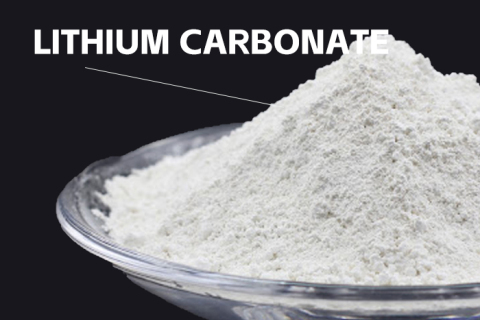
Lithium carbonate concrete accelerator has become the preferred choice for demanding shotcrete applications worldwide. Its ability to catalyze early cement hydration, control setting time with precision, and enhance microstructural density makes it the additive of choice for engineers and contractors operating in tunnels, mines, and underground infrastructure projects.
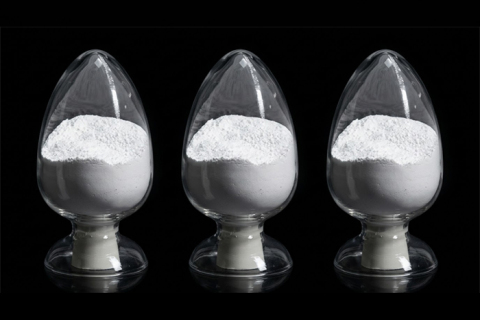
This article explores how these three additives function individually, how they interact within a mortar system, and why their combined use delivers results that no single component can achieve alone.
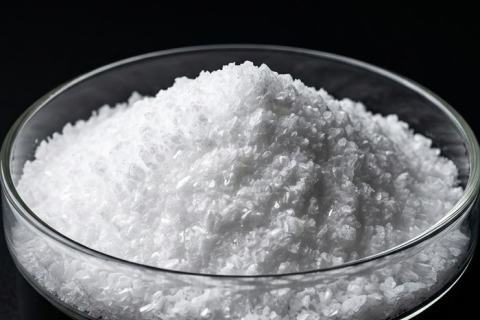
As global construction standards rise, the choice of polycarboxylate superplasticizer raw material has become increasingly critical. At the heart of every high-performance PCE admixture lies the monomer selection — and for formulators worldwide, HPEG monomer for polycarboxylate superplasticizer and TPEG monomer concrete admixture represent the two most widely adopted options available today.
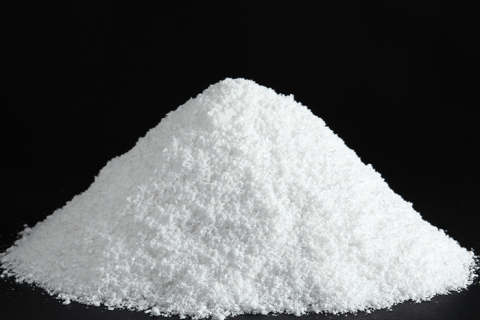
Our advanced PVC Paste Resin is specially designed for construction applications, offering excellent adhesion, high viscosity, and waterproofing properties. Ideal for wall putty, fillers, adhesives, and waterproof coatings, it enhances durability and workability.
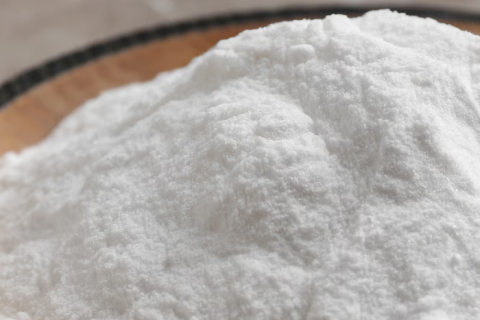
Self-leveling mortar is widely used in modern construction to create smooth and level flooring surfaces before installing tiles, vinyl flooring, or wooden floors. However, cracking is a common issue that may affect the durability of flooring systems. Understanding the causes of cracking and using proper additives such as Hydroxypropyl Methyl Cellulose HPMC can significantly improve mortar performance.
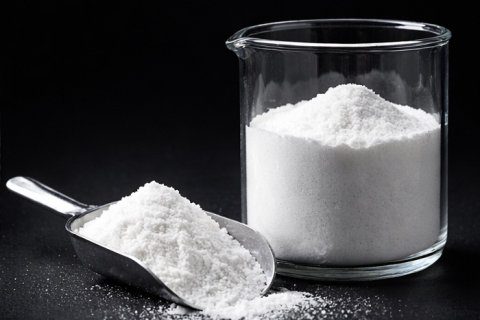
Redispersible Polymer Powder (RDP) is widely used in modern dry mix mortar and tile adhesive formulations. As a key construction additive, RDP powder improves adhesion, flexibility, crack resistance, and durability in cement-based building materials.
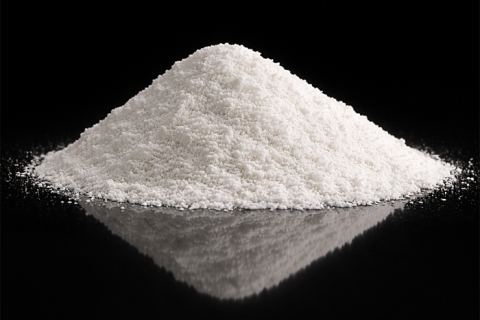
Hydroxyethyl Methyl Cellulose (HEMC) is an important cellulose ether widely used in dry mix mortar formulations. In tile adhesive systems, HEMC Powder acts as a multifunctional additive that improves water retention, workability, and adhesion performance. Tile adhesive requires stable consistency, sufficient open time, and strong bonding strength to ensure proper installation of ceramic or porcelain tiles. Construction Grade HEMC plays a critical role in achieving these performance requirements by optimizing mortar rheology and hydration behavior.
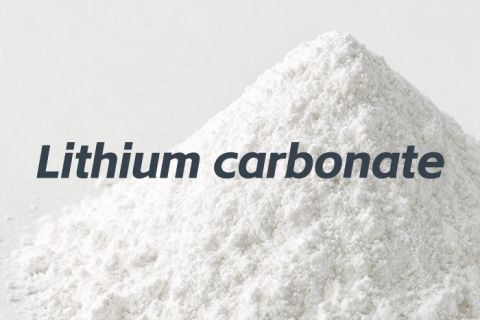
In modern construction, cement manufacturers are increasingly using Lithium Carbonate Powder to improve performance and durability. Compared with traditional additives, Lithium Carbonate for Cement offers faster hydration activation and better durability control, especially in high-performance concrete systems. As infrastructure standards continue to rise, Lithium Carbonate Construction Grade materials are becoming a key additive in advanced cement formulations.
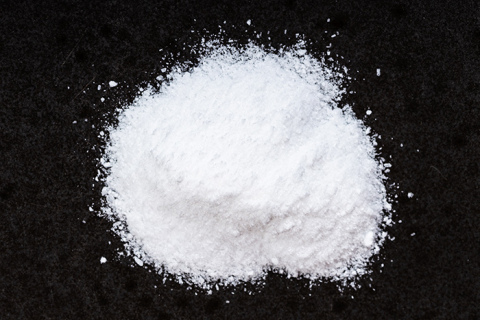
In modern flooring projects, achieving a smooth, flat surface with self-leveling concrete is essential for warehouses, commercial buildings, and residential renovations. However, challenges such as poor flow, uneven surfaces, and slow finishing often affect quality. Our Polycarboxylate Superplasticizer Powder provides a reliable solution as a Self-leveling Concrete Additive, improving performance and construction efficiency.