


- Home
- >
News
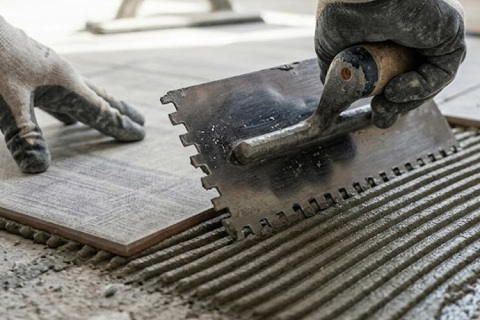
Tiles falling off walls six months after installation. Plaster cracking before the paint even goes on. Mortar that dries out before the worker finishes spreading it. These are not random site accidents. They are predictable failures that trace back to one missing or incorrectly specified ingredient in the dry mix mortar formula: Hydroxypropyl Methyl Cellulose. If your mortar, tile adhesive, or wall plaster is failing on site, this article explains exactly why HPMC powder is the solution and what to look for when sourcing it.
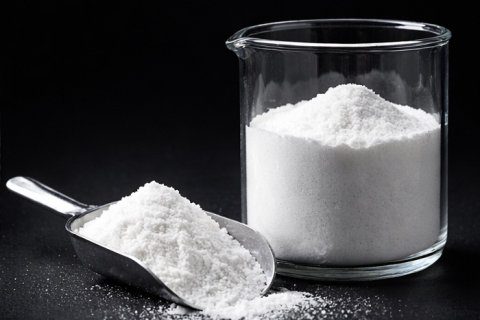
Redispersible Polymer Powder (RDP) is widely used in modern dry mix mortar and tile adhesive formulations. As a key construction additive, RDP powder improves adhesion, flexibility, crack resistance, and durability in cement-based building materials.
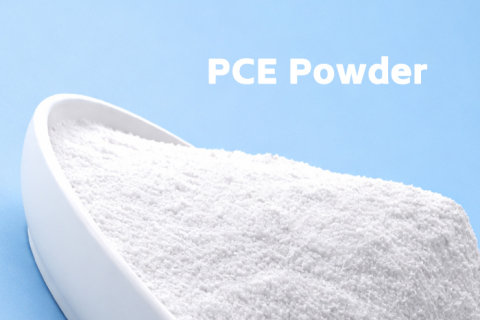
This material is shifting from a supporting additive to a core structural component in Dry Mix Mortar Additives systems.
In today’s construction industry, the demand for high-performance dry mix mortar continues to increase. Contractors expect better strength, improved workability, enhanced durability, and cost-efficient formulations. To achieve these goals, manufacturers rely heavily on optimized Dry Mix Mortar Additives, especially the combination of PCE Powder (Polycarboxylate Superplasticizer Powder) and HPMC (Hydroxypropyl Methyl Cellulose).
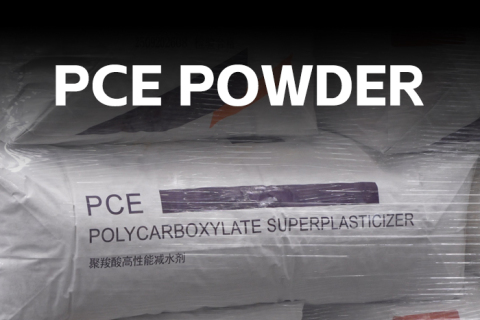
Polycarboxylate Superplasticizer Powder (PCE Powder) is a new-generation water-reducing agent developed for high-performance dry-mix mortar applications such as self-leveling compounds, tile adhesives, grouts, and repair mortars.