


- Home
- >
News
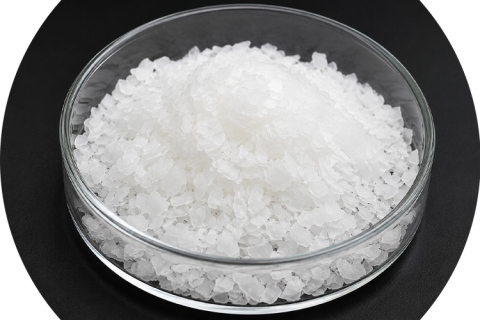
For polycarboxylate superplasticizer producers, the monomer decision is made once per formulation — but its consequences show up in every batch of admixture you produce and every cubic meter of concrete your customers place. TPEG 2400 monomer and HPEG 2400 monomer are the two most widely used polyether macromonomer grades in commercial PCE synthesis globally. They are not interchangeable, and selecting the wrong one for your target application costs more in field performance failures and customer complaints than the price difference between them.
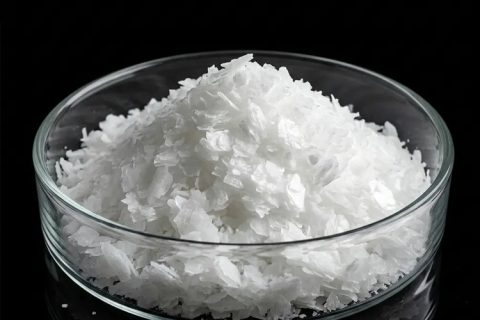
Behind every high-performance polycarboxylate superplasticizer used in modern concrete construction sits a single critical raw material decision: which polyether macromonomer to use, and at what molecular weight. HPEG TPEG monomer selection is the variable that determines the water reduction efficiency, slump retention profile, and cement compatibility of the finished PCE admixture — and it is a decision that most admixture producers revisit every time they enter a new market or encounter a new cement type. This article examines how HPEG and TPEG polyether macromonomer grades perform in real construction admixture applications, and what differentiates a reliable polycarboxylate superplasticizer monomer supplier from one that creates production headaches.
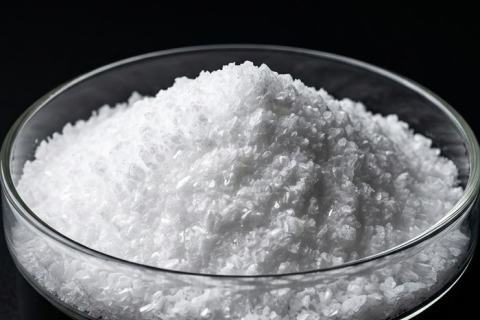
As global construction standards rise, the choice of polycarboxylate superplasticizer raw material has become increasingly critical. At the heart of every high-performance PCE admixture lies the monomer selection — and for formulators worldwide, HPEG monomer for polycarboxylate superplasticizer and TPEG monomer concrete admixture represent the two most widely adopted options available today.