


- Home
- >
News

Cement render that cracks within the first season, falls off facades during heavy rain, or develops uneven texture across a single wall is rarely a problem with the sand or cement ratio. In most cases, the cause is incorrect or insufficient Hydroxypropyl Methyl Cellulose in the render formulation. For dry mix mortar manufacturers and construction chemical producers supplying render products across Southeast Asia, Europe, and the broader Asian market, understanding exactly what HPMC does in render and how to select the correct grade prevents the most common and costly render failures in the field.
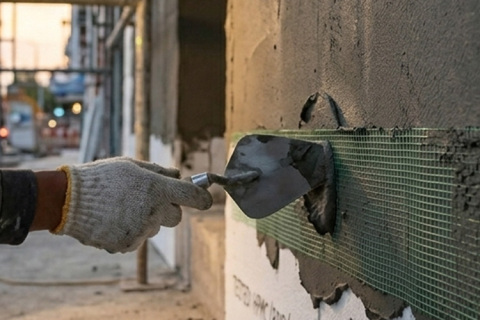
A well-performing EIFS base coat mortar depends on three additives working as a system. Hydroxypropyl Methyl Cellulose provides water retention and workability. Redispersible Polymer Powder provides flexibility and bond strength to insulation boards. Polycarboxylate Superplasticizer reduces water demand and improves application consistency. The HPMC RDP and PCE admixture combination is what separates a high-performance EIFS base coat from one that cracks, debonds, or fails under thermal cycling within the first year of service. When any one of the three is missing or incorrectly specified, the entire system underperforms in ways that are difficult to diagnose without understanding how the three components interact.
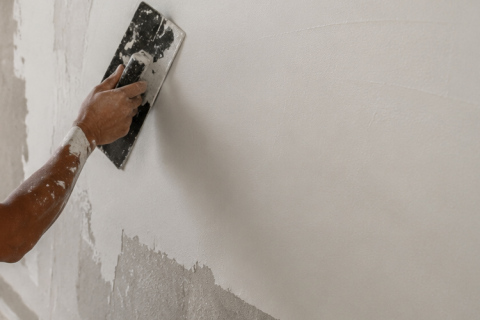
Wall putty is one of the highest-volume dry mix mortar products in residential and commercial construction markets across Southeast Asia, South Asia, and Europe. It is also one of the most competitive, with dozens of local and regional brands competing on price, workability, and surface finish quality. For wall putty manufacturers, the difference between a product that builds contractor loyalty and one that loses market share to a competitor often comes down to a single ingredient: Hydroxypropyl Methyl Cellulose.
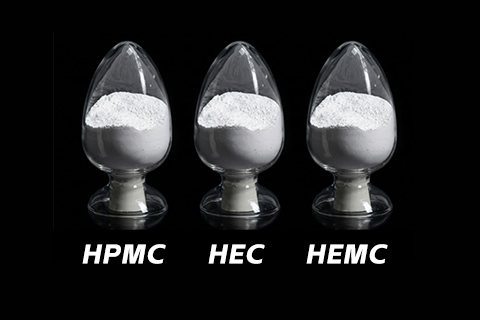
Walk into any dry mix mortar formulation discussion and the same question comes up repeatedly: should this product use HPMC, HEC, or HEMC? All three are cellulose ethers, all three provide water retention and thickening, and all three are sold by suppliers claiming their grade is the best fit. For dry mortar manufacturers and construction chemical formulators across Southeast Asia, Europe, and Asia, choosing the wrong cellulose ether means reformulation, wasted trial batches, and finished products that underperform in the field. This article explains the real chemical differences between Hydroxypropyl Methyl Cellulose, Hydroxyethyl Cellulose, and Hydroxyethyl Methyl Cellulose, and which one fits which application.
A self-leveling compound that bubbles, cracks, or fails to flow evenly across the floor surface is not a minor inconvenience. It means ripping out the entire pour, grinding the substrate, and starting over. For flooring contractors and dry mortar manufacturers across Southeast Asia, Europe, and Asia, the cost of a failed self-leveling pour is measured in wasted material, lost labor, project delays, and damaged customer relationships. In most cases, the failure traces back to one incorrectly specified or inconsistently supplied ingredient: Hydroxypropyl Methyl Cellulose.
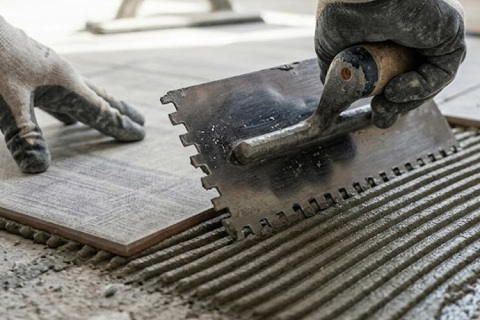
Tiles falling off walls six months after installation. Plaster cracking before the paint even goes on. Mortar that dries out before the worker finishes spreading it. These are not random site accidents. They are predictable failures that trace back to one missing or incorrectly specified ingredient in the dry mix mortar formula: Hydroxypropyl Methyl Cellulose. If your mortar, tile adhesive, or wall plaster is failing on site, this article explains exactly why HPMC powder is the solution and what to look for when sourcing it.
Formulating dry mix mortars that consistently deliver high performance under diverse environmental conditions requires an explicit understanding of additive chemistry. For global formulators and building material distributors, Hydroxypropyl Methyl Cellulose stands as the foundational water retention agent driving the modern dry mix industry. While alternative cellulose ethers exist, the specific structural properties of HPMC construction grade polymers offer balanced open time, sag resistance, and workability that make it indispensable for standard and premium construction applications worldwide.
In modern construction projects, mortar failure remains one of the most frequent and frustrating problems. From tile debonding and hollowing to cracked plaster and poor workability, these issues lead to costly rework, project delays, and damaged reputations. As construction standards rise — especially in hot climates like the Middle East, Southeast Asia, and Africa — traditional cement mortar often falls short. Common on-site problems include:
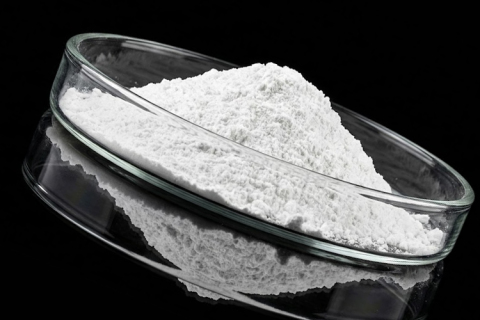
As a leading manufacturer of construction-grade cellulose ethers, we provide premium Hydroxypropyl Methyl Cellulose (HPMC) specifically designed for dry-mix mortar, tile installation, floor leveling, external insulation, and gypsum plaster systems. Our HPMC powder delivers consistent viscosity, outstanding water retention, and excellent workability — solving real problems on job sites around the world.
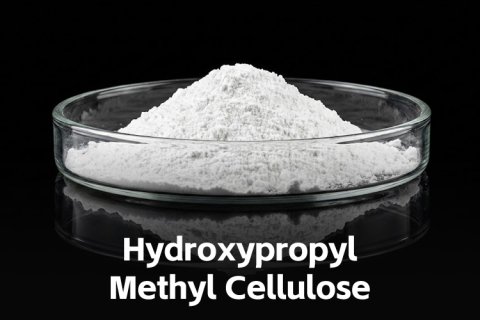
If you are manufacturing tile adhesive for markets where summer temperatures exceed 35°C, and your contractors are reporting open time complaints, tile slippage, or adhesion failures on large-format installations — the problem is almost certainly your HPMC specification. Not your cement content. Not your aggregate grading. Your HPMC. This article explains why, and what the correct specification looks like.
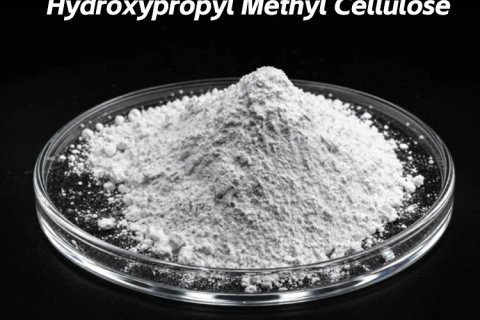
Most wall putty manufacturers select HPMC on two criteria: viscosity and price. This is understandable — viscosity is the most visible specification on any HPMC cellulose ether datasheet, and price is always a factor in a cost-sensitive product category. The problem is that viscosity alone predicts wall putty performance only partially — and in the cases where it fails to predict it, the failure shows up on a customer's wall, not in a laboratory. This article is for wall putty producers who want to understand what actually drives field performance, and what to look for in an HPMC specification beyond the viscosity number.
Self-leveling compound is one of the few dry mix mortar products where getting the HPMC specification wrong produces an immediate, visible failure — not one that takes months to appear. Too much viscosity and the compound does not self-level. Too little and it flows but bleeds, segregates, and produces a weak, dusty surface. The margin between these two failure modes is narrow, and Hydroxypropyl Methyl Cellulose is the additive that defines where that margin sits.