


- Home
- >
News
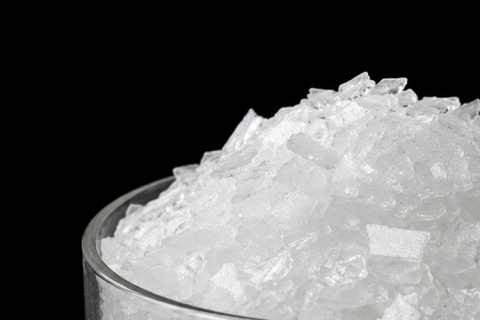
Choosing between HPEG monomer and TPEG monomer is one of the first decisions a polycarboxylate superplasticizer manufacturer makes when setting up or scaling a PCE production line. Both are polyether macromonomers used as polycarboxylate superplasticizer raw material in free radical copolymerization with acrylic acid to produce PCE admixtures. Both deliver high water reduction rates and good slump retention in concrete. But their chemical structures, reactivity profiles, and synthesis behavior differ in ways that directly affect production efficiency, finished PCE performance, and the range of applications your admixture can serve.
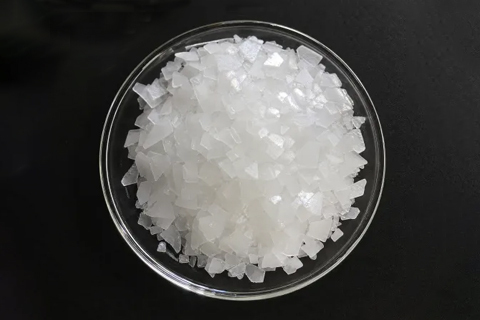
If you are producing polycarboxylate superplasticizer and your finished product is inconsistent in water reduction rate, losing slump retention performance, or failing to meet the technical specifications your customers demand, the problem likely starts at the monomer selection stage. VPEG-2400 and HPEG-2400 are the two most widely used polycarboxylate superplasticizer monomer types for PCE synthesis, and understanding the difference between them determines the performance ceiling of every batch of admixture you produce.