


- Home
- >
News
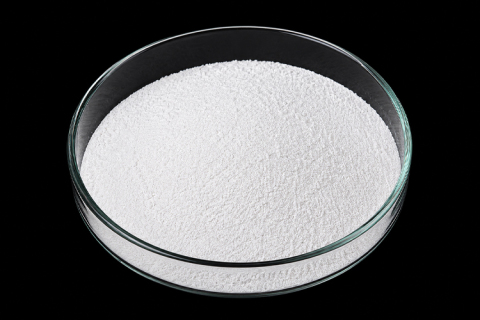
Mass concrete is defined not by its strength requirement but by its thermal risk. Any concrete placement where the cross-section is large enough for heat of hydration to generate a temperature differential between the core and the surface above 20 to 25°C is at risk of thermal cracking — and thermal cracking in a dam foundation, a thick transfer slab, or a nuclear structure base mat is a structural problem that cannot be patched after the fact.
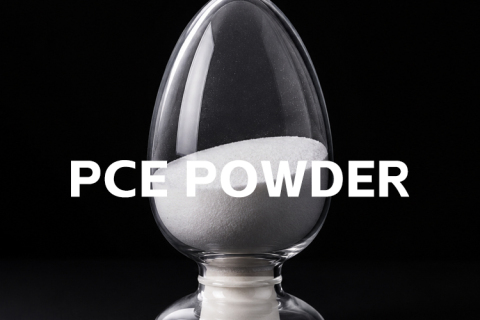
Underwater concrete placement is one of the most unforgiving applications in construction. Concrete placed through a tremie pipe into a water-filled cofferdam, foundation pit, or marine structure cannot be vibrated, cannot be inspected during placement, and cannot be remediated if it segregates or loses workability before the pour is complete. The admixture has to work correctly the first time, under conditions — hydrostatic pressure, water contact, extended placement time — that expose every weakness in a mix design.
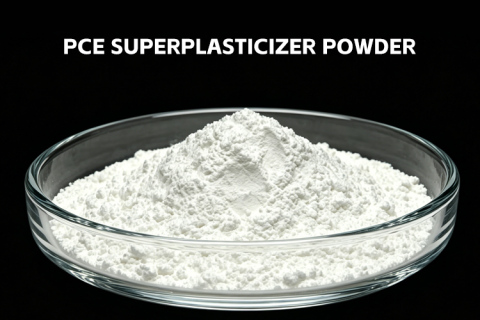
Self-compacting concrete is one of the most technically demanding mix designs in modern construction. It must flow freely under its own weight to fill complex formwork and pass through congested reinforcement without vibration — while simultaneously resisting segregation and bleeding that would compromise the homogeneity of the hardened structure. These two requirements pull in opposite directions, and balancing them demands an admixture with precision-engineered dispersing characteristics that standard superplasticizers cannot reliably deliver.
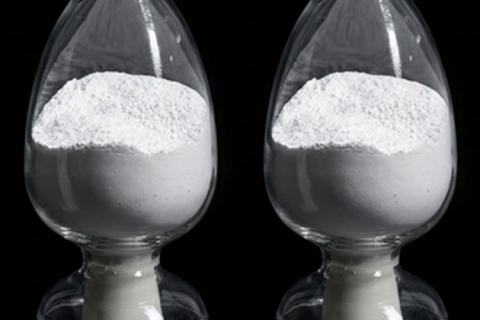
Precast concrete production operates on a fundamentally different logic from site-cast construction. The entire business model depends on rapid mold turnover — stripping forms early, cycling molds multiple times per day, and maintaining dimensional consistency across hundreds of identical elements. Every hour saved between casting and stripping is an hour of additional production capacity. In this environment, PCE superplasticizer powder is not simply a workability aid. It is a production efficiency tool that directly determines how many cycles a precast plant can run per shift.
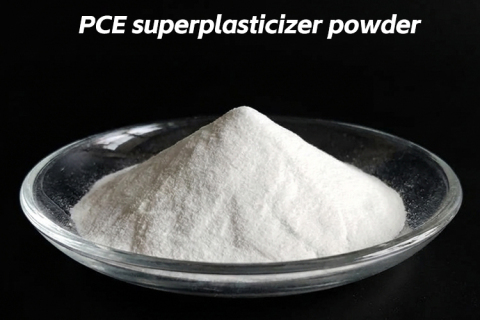
High-strength concrete is not simply regular concrete with more cement. It is a precision-engineered material where every component — cement type, aggregate grading, supplementary cementitious materials, and admixture selection — must work together to achieve compressive strengths above 60 MPa while maintaining the workability required for placement and consolidation. In this context, PCE superplasticizer powder is not an optional performance enhancer. It is the admixture that makes high-strength concrete practically achievable at commercial scale.
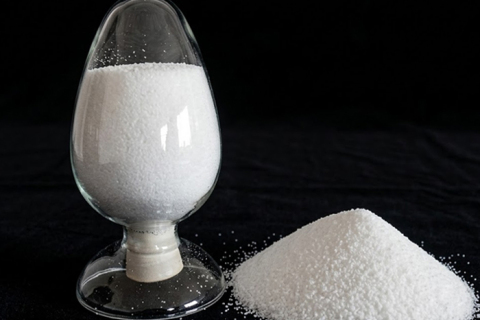
In high-rise construction, concrete pumping failure is one of the most costly and disruptive problems a site team can face. Blocked pump lines, excessive pumping pressure, and rapid slump loss between the batching plant and the point of placement cause project delays, material waste, and structural quality risks that are difficult to recover from once the pour has started.
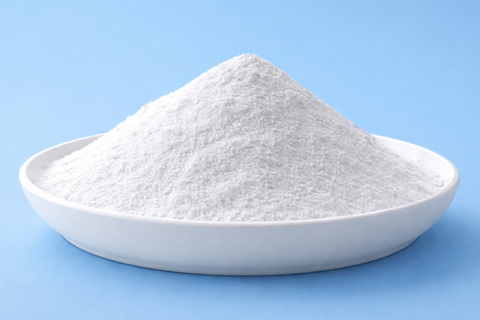
In dry-mix mortar production, one of the most common and costly problems faced by manufacturers and contractors is poor workability combined with inconsistent strength performance. Mortar may appear stiff during application, require excessive water addition on site, or show noticeable strength loss after curing. These issues directly affect construction efficiency, surface quality, and long-term durability.