


- Home
- >
News
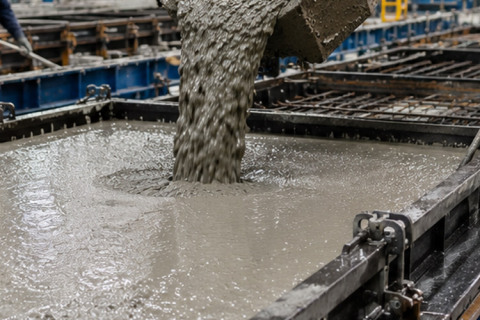
For PCE admixture manufacturers supplying precast concrete producers across Southeast Asia, Europe, and Asia, choosing between HPEG monomer and TPEG monomer is not a procurement decision. It is a product development decision that determines whether your admixture meets precast specifications or falls short.
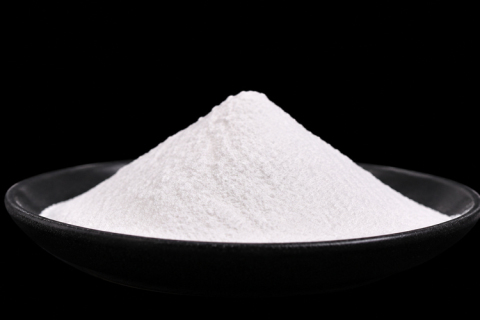
If you are importing Polycarboxylate Superplasticizer Powder for resale to concrete admixture producers or dry mix mortar manufacturers, product grade selection and supplier quality verification are the two decisions that determine whether your customers reorder or switch to a competitor after the first shipment. PCE powder is not a commodity. It is a performance chemical where grade, active content, and batch consistency directly affect the concrete or mortar your customer produces. This guide covers what importers and distributors need to know before placing the first order.

A well-performing EIFS base coat mortar depends on three additives working as a system. Hydroxypropyl Methyl Cellulose provides water retention and workability. Redispersible Polymer Powder provides flexibility and bond strength to insulation boards. Polycarboxylate Superplasticizer reduces water demand and improves application consistency. The HPMC RDP and PCE admixture combination is what separates a high-performance EIFS base coat from one that cracks, debonds, or fails under thermal cycling within the first year of service. When any one of the three is missing or incorrectly specified, the entire system underperforms in ways that are difficult to diagnose without understanding how the three components interact.

For dry mix mortar manufacturers across Southeast Asia, South Asia, and Europe, batch-to-batch consistency determines customer retention and brand reputation. When mortar performance varies without any change to the formulation, the root cause is almost always one ingredient: Polycarboxylate Superplasticizer Powder. This article covers the four most common dry mortar production problems caused by inconsistent PCE powder and how selecting the right grade eliminates them.
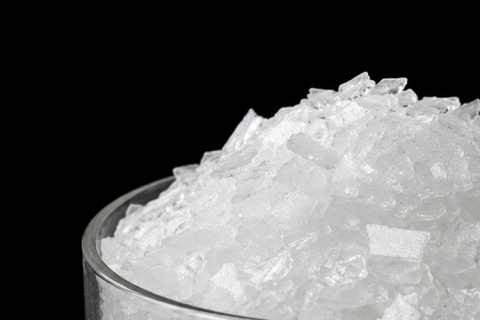
Choosing between HPEG monomer and TPEG monomer is one of the first decisions a polycarboxylate superplasticizer manufacturer makes when setting up or scaling a PCE production line. Both are polyether macromonomers used as polycarboxylate superplasticizer raw material in free radical copolymerization with acrylic acid to produce PCE admixtures. Both deliver high water reduction rates and good slump retention in concrete. But their chemical structures, reactivity profiles, and synthesis behavior differ in ways that directly affect production efficiency, finished PCE performance, and the range of applications your admixture can serve.
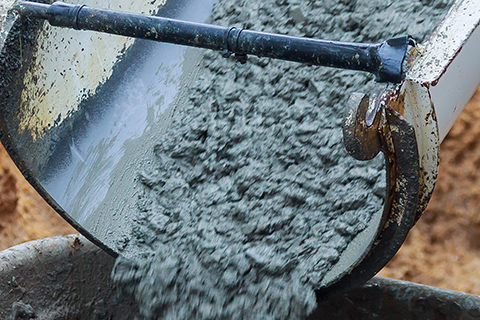
Concrete batching plant operators do not have time to dissolve powder or prepare admixture solutions before every production cycle. Ready-mix concrete producers running continuous batching operations need a liquid concrete water reducing admixture that doses accurately, disperses instantly at the point of mixing, and delivers consistent slump and water reduction from the first truck to the last. Polycarboxylate Superplasticizer Liquid is the standard solution for concrete plants across Southeast Asia, South Asia, Europe, and the broader Asian market where production speed, dosing precision, and slump retention over transport time are non-negotiable operational requirements.
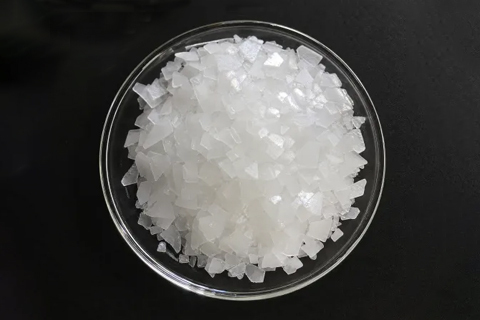
If you are producing polycarboxylate superplasticizer and your finished product is inconsistent in water reduction rate, losing slump retention performance, or failing to meet the technical specifications your customers demand, the problem likely starts at the monomer selection stage. VPEG-2400 and HPEG-2400 are the two most widely used polycarboxylate superplasticizer monomer types for PCE synthesis, and understanding the difference between them determines the performance ceiling of every batch of admixture you produce.
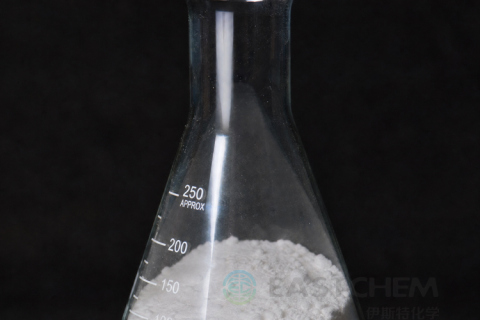
When concrete fails to flow, pump, or reach required strength, the admixture choice is often the root cause. For construction professionals across Southeast Asia, Europe, and Asia, Polycarboxylate Superplasticizer Powder has become the standard solution for high-performance concrete and dry mix mortar systems. This article explains what PCE powder does, where it is applied, and how to choose the right concrete admixture supplier.
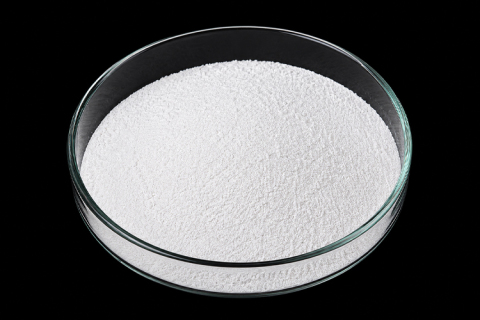
Mass concrete is defined not by its strength requirement but by its thermal risk. Any concrete placement where the cross-section is large enough for heat of hydration to generate a temperature differential between the core and the surface above 20 to 25°C is at risk of thermal cracking — and thermal cracking in a dam foundation, a thick transfer slab, or a nuclear structure base mat is a structural problem that cannot be patched after the fact.
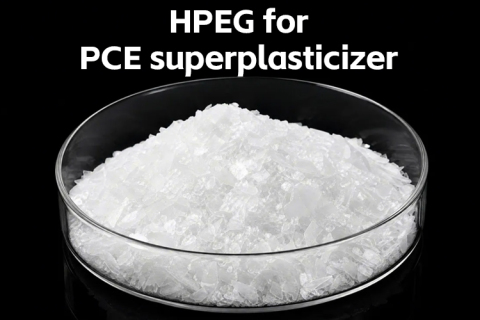
n modern concrete production, achieving a balance between workability, water reduction, and strength development remains a key challenge for admixture manufacturers. Many producers of polycarboxylate-based superplasticizers face issues such as inconsistent dispersion, unstable slump retention, and limited adaptability across different cement types. These problems become more obvious in high-strength concrete, pumped concrete, and ready-mix systems where performance stability is critical.
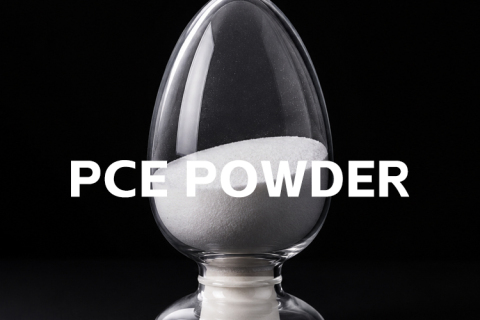
Underwater concrete placement is one of the most unforgiving applications in construction. Concrete placed through a tremie pipe into a water-filled cofferdam, foundation pit, or marine structure cannot be vibrated, cannot be inspected during placement, and cannot be remediated if it segregates or loses workability before the pour is complete. The admixture has to work correctly the first time, under conditions — hydrostatic pressure, water contact, extended placement time — that expose every weakness in a mix design.
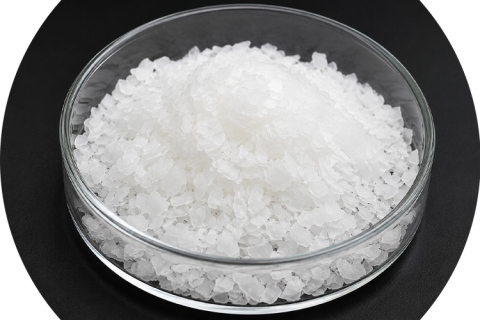
For polycarboxylate superplasticizer producers, the monomer decision is made once per formulation — but its consequences show up in every batch of admixture you produce and every cubic meter of concrete your customers place. TPEG 2400 monomer and HPEG 2400 monomer are the two most widely used polyether macromonomer grades in commercial PCE synthesis globally. They are not interchangeable, and selecting the wrong one for your target application costs more in field performance failures and customer complaints than the price difference between them.