


- Home
- >
News
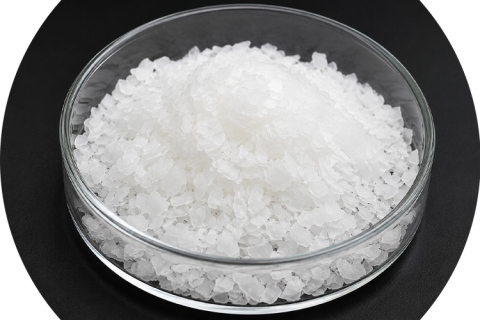
For polycarboxylate superplasticizer producers, the monomer decision is made once per formulation — but its consequences show up in every batch of admixture you produce and every cubic meter of concrete your customers place. TPEG 2400 monomer and HPEG 2400 monomer are the two most widely used polyether macromonomer grades in commercial PCE synthesis globally. They are not interchangeable, and selecting the wrong one for your target application costs more in field performance failures and customer complaints than the price difference between them.
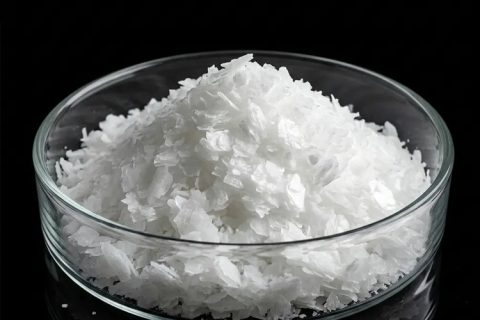
Behind every high-performance polycarboxylate superplasticizer used in modern concrete construction sits a single critical raw material decision: which polyether macromonomer to use, and at what molecular weight. HPEG TPEG monomer selection is the variable that determines the water reduction efficiency, slump retention profile, and cement compatibility of the finished PCE admixture — and it is a decision that most admixture producers revisit every time they enter a new market or encounter a new cement type. This article examines how HPEG and TPEG polyether macromonomer grades perform in real construction admixture applications, and what differentiates a reliable polycarboxylate superplasticizer monomer supplier from one that creates production headaches.
In construction waterproofing projects, cracking, leakage, and short service life are among the most common and costly problems faced by waterproof material manufacturers and contractors. Roofs, basements, bathrooms, and balconies are constantly exposed to temperature changes, moisture, and structural movement. Once the waterproof layer fails, repair costs increase significantly and building safety may be compromised.
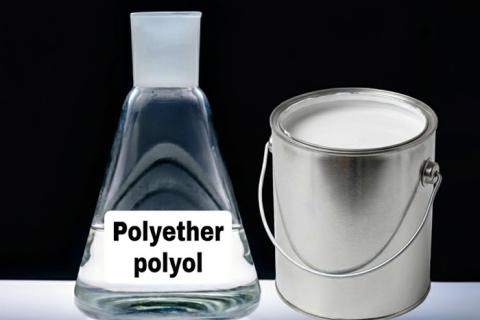
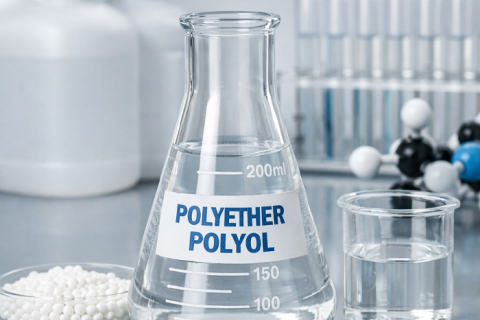
Polyether Polyol is a key raw material in polyurethane (PU) coating formulations and plays a decisive role in determining coating flexibility, adhesion, chemical resistance, and long-term durability. Owing to its adjustable molecular structure, excellent compatibility, and stable performance, polyether polyol is widely used in industrial coatings, protective coatings, waterproof coatings, and elastic surface systems.
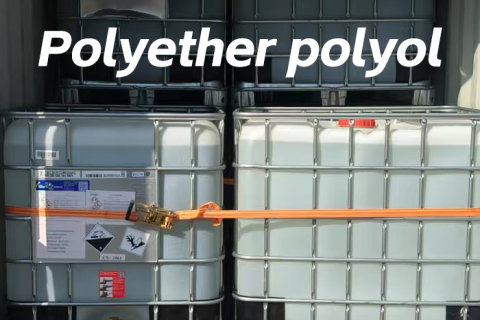
Polyether Polyol is a fundamental raw material used in the production of polyurethane (PU) systems, which play an increasingly important role in modern construction materials. As a key polyol component, polyether polyol determines the mechanical behavior, chemical resistance, and long-term durability of PU-based products. In construction, it is widely used in PU rigid foam, elastic flooring, sealants, waterproof coatings, and insulation materials. This article explores the technical mechanisms of polyether polyol and its contribution to high-performance building applications.
Polyether Polyol is one of the key base materials for the synthesis of polyurethane. It is produced through the ring-opening polymerization of propylene oxide, ethylene oxide, and other substances. Depending on its hydroxyl value, functionality, and molecular weight, various polyurethane products can be manufactured with different properties. In the construction sector, we primarily focus on its applications in insulation, sealing, and structural reinforcement.
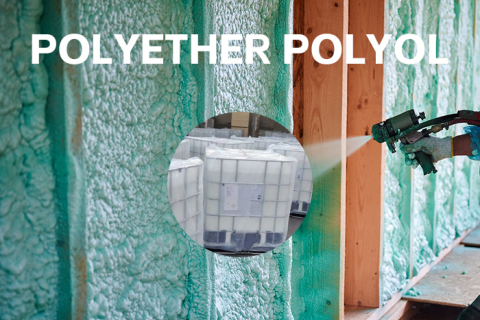
Efficient thermal insulation is crucial in modern construction and industrial applications, directly impacting energy efficiency and operational costs. However, traditional insulation materials often face challenges like high thermal conductivity, complex installation, poor durability, significant space occupation, and limited fire resistance, leading to heat loss and inefficiency. Addressing these widespread insulation performance deficiencies, polyether polyol is emerging as a core solution.
This article explores how Polyether Polyol enhances building materials and its key applications in construction.
Polyether Polyol, a versatile polyhydroxy compound, is a key ingredient in architectural coatings. Renowned for its flexibility, chemical stability, and tunable structure, Polyether Polyol enhances coatings for walls, floors, and waterproofing. This article highlights its role in sustainability and functional customization.
In the construction industry, waterproofing is crucial for ensuring structural integrity and extending the lifespan of buildings. Polyether Polyol, a key raw material for producing polyurethane waterproofing materials, plays a vital role in building waterproofing solutions due to its exceptional properties. This article explores the characteristics, applications, and advantages of Polyether Polyol in building waterproofing.
Polyether Polyol is a vital component in polyurethane-based materials, widely used in construction for its versatility and energy-saving properties. It enhances insulation, coatings, adhesives, and sealants, making it ideal for modern building applications. As demand grows for sustainable, high-performance construction solutions, Polyether Polyol is transforming the industry.
Due to its excellent chemical stability, mechanical properties, and environmental adaptability, polyurethane materials derived from polyether polyol have become essential solutions for efficient and sustainable construction.