


- Home
- >
News
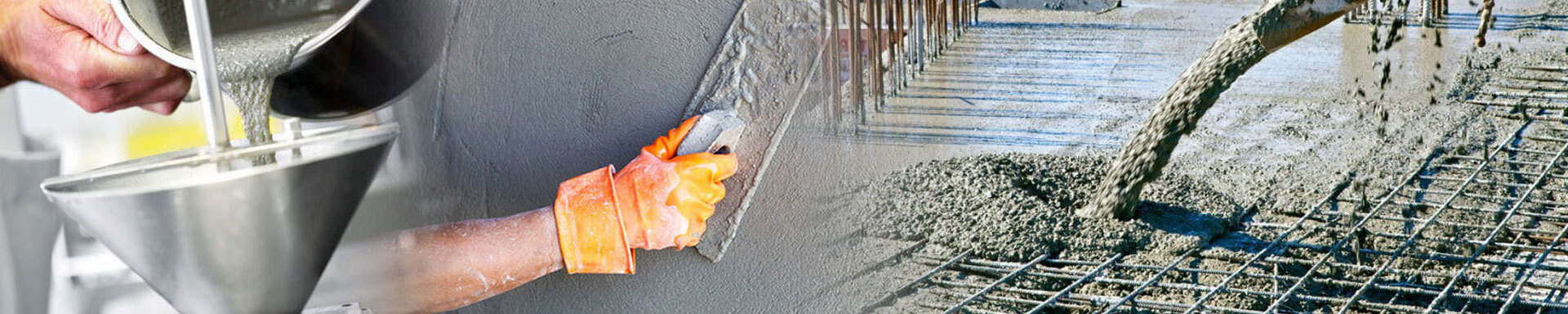
In high-stakes infrastructure maintenance, time is the ultimate currency. Whether managing a bustling commercial airport, a high-traffic highway, or a massive cold-storage logistics center, shutting down operations for concrete maintenance is an expensive nightmare. Standard concrete requires days, if not weeks, to fully cure, leading to costly operational downtime, traffic congestion, and missed deadlines. If you are a general contractor, a municipal procurement manager, or an engineering consultant searching for a premium material that eliminates downtime, Magnesium Phosphate Cement (MPC) is the definitive answer.
There are three concrete problems that show up repeatedly across construction projects in hot, humid climates and high-speed urban construction environments. Setting time that cannot be controlled tightly enough for rapid formwork cycling. Early strength development that fails to meet stripping schedules. And long-term cracking that appears months after completion in structures that passed every quality check at handover.
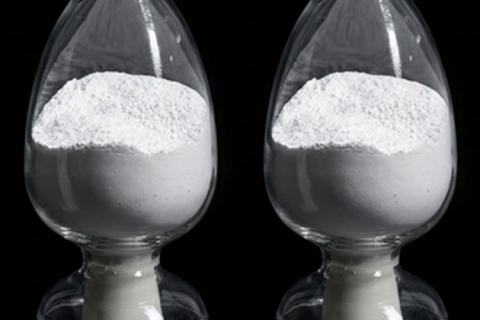
Precast concrete production operates on a fundamentally different logic from site-cast construction. The entire business model depends on rapid mold turnover — stripping forms early, cycling molds multiple times per day, and maintaining dimensional consistency across hundreds of identical elements. Every hour saved between casting and stripping is an hour of additional production capacity. In this environment, PCE superplasticizer powder is not simply a workability aid. It is a production efficiency tool that directly determines how many cycles a precast plant can run per shift.
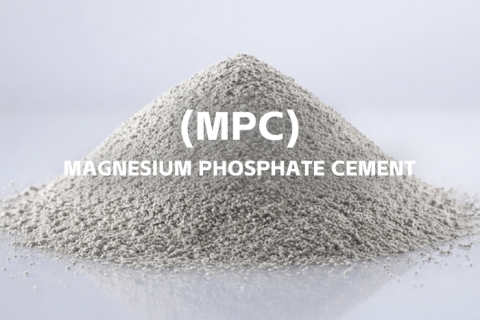
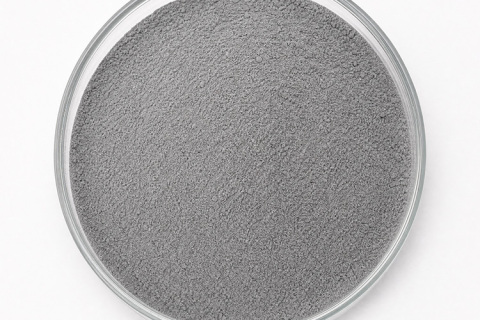
If you are searching for magnesium phosphate cement for sale that can harden in 1 hour and bond to old concrete without a primer, you have come to the right place. Our MPC rapid repair mortar is specifically designed for airport runways, highways, and railway sleepers – it reaches ≥30 MPa in just 1 hour and allows traffic to reopen within 3 hours.
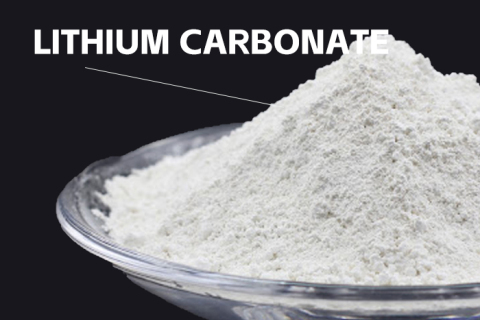
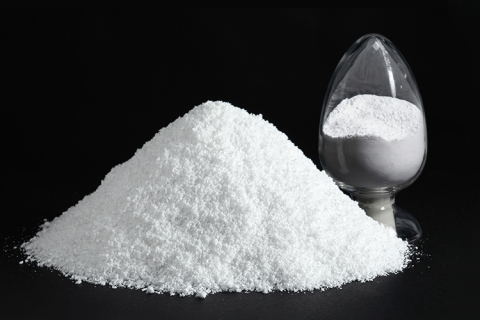
Lithium carbonate concrete accelerator has become the preferred choice for demanding shotcrete applications worldwide. Its ability to catalyze early cement hydration, control setting time with precision, and enhance microstructural density makes it the additive of choice for engineers and contractors operating in tunnels, mines, and underground infrastructure projects.
In modern flooring systems, Self-Leveling Mortar must meet high requirements for smoothness, durability, and structural stability. However, traditional cement-based formulations often face problems such as insufficient Adhesion Strength, shrinkage cracking, and surface dusting.
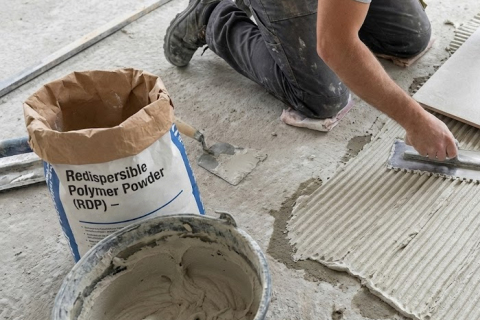
Redispersible Polymer Powder (RDP) is one of the most important polymer additives used in modern dry-mix mortar systems. It plays a key role in improving overall mortar performance, especially in tile adhesive mortar, repair mortars, and exterior wall systems.
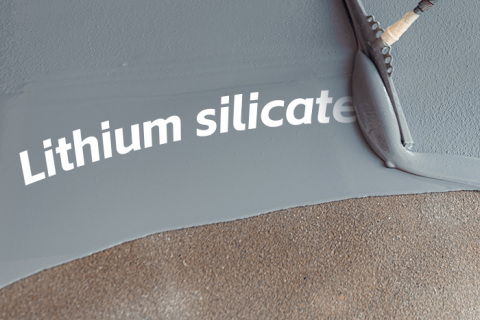
Lithium Silicate is an advanced inorganic material widely used in modern construction systems, especially in concrete densifiers, surface hardeners, industrial flooring, and high-durability coatings. With its unique molecular size and reactivity, lithium silicate offers superior penetration, low alkalinity, and long-term strengthening effects that outperform traditional sodium and potassium silicates. As construction projects increasingly focus on durability, chemical resistance, and lifecycle cost reduction, lithium silicate has become a preferred material in high-performance surface treatment systems.
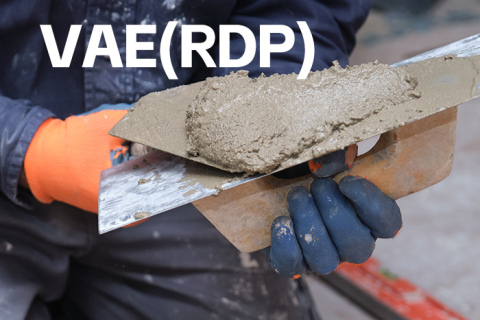
Redispersible Polymer Powder (RDP) is a multifunctional polymer additive widely used in modern dry-mix mortar systems. Through its exceptional redispersion ability, film-forming behavior, flexibility enhancement, and bonding improvement, RDP has become indispensable in tile adhesives, wall putty, ETICS mortars, repair compounds, and self-leveling flooring systems. This article provides a technical overview of RDP’s functional mechanisms and its contribution to high-performance construction materials.
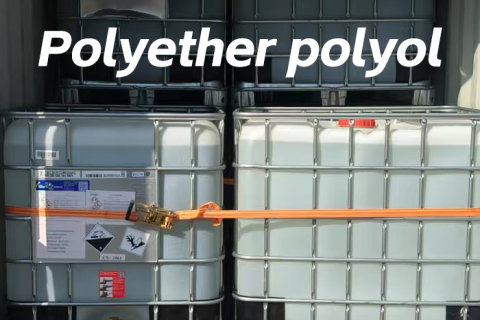
Polyether Polyol is a fundamental raw material used in the production of polyurethane (PU) systems, which play an increasingly important role in modern construction materials. As a key polyol component, polyether polyol determines the mechanical behavior, chemical resistance, and long-term durability of PU-based products. In construction, it is widely used in PU rigid foam, elastic flooring, sealants, waterproof coatings, and insulation materials. This article explores the technical mechanisms of polyether polyol and its contribution to high-performance building applications.
Hydroxypropyl Methyl Cellulose (HPMC), a non-ionic cellulose ether, is an indispensable component in modern construction dry-mix mortar formulations. By forming a high-viscosity colloid in water solution, HPMC provides exceptional High Water Retention and precise Rheology Control in cementitious materials. HPMC significantly improves mortar workability, Bonding Strength, and Anti-Sagging Property, serving as a critical guarantee for the final quality and durability of building materials.
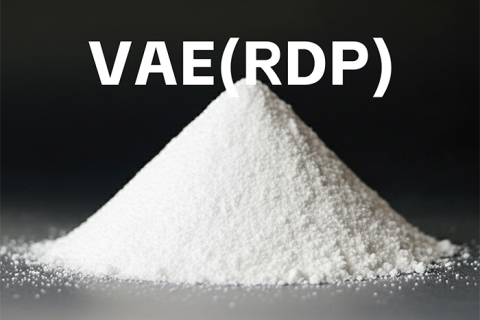
This article will delve into the mechanism of RDP, its core functions, and its application value across various construction sectors.