


- Home
- >
News
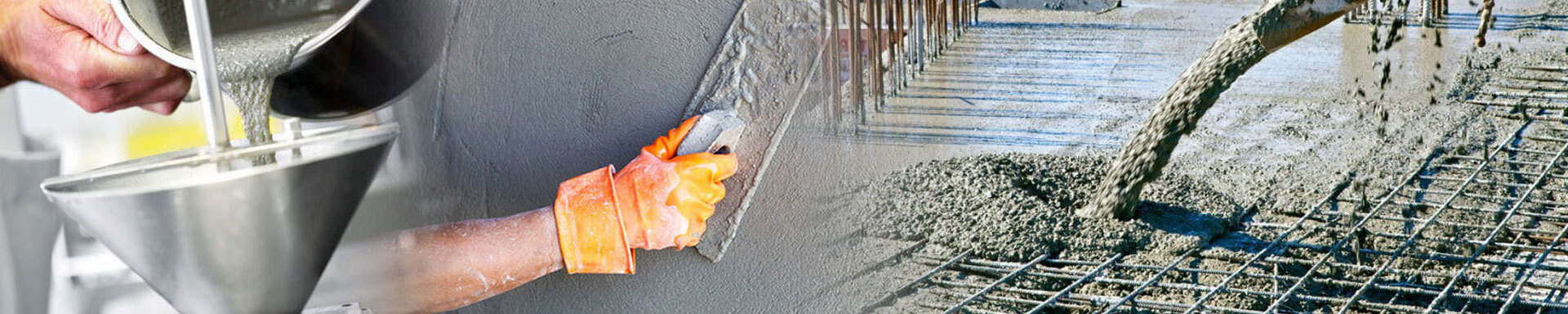
Tiles falling off walls six months after installation. Plaster cracking before the paint even goes on. Mortar that dries out before the worker finishes spreading it. These are not random site accidents. They are predictable failures that trace back to one missing or incorrectly specified ingredient in the dry mix mortar formula: Hydroxypropyl Methyl Cellulose. If your mortar, tile adhesive, or wall plaster is failing on site, this article explains exactly why HPMC powder is the solution and what to look for when sourcing it.
Formulating dry mix mortars that consistently deliver high performance under diverse environmental conditions requires an explicit understanding of additive chemistry. For global formulators and building material distributors, Hydroxypropyl Methyl Cellulose stands as the foundational water retention agent driving the modern dry mix industry. While alternative cellulose ethers exist, the specific structural properties of HPMC construction grade polymers offer balanced open time, sag resistance, and workability that make it indispensable for standard and premium construction applications worldwide.
Tile hollowing and debonding are among the most common complaints faced by tile adhesive manufacturers and construction contractors. Even when high-quality cement and fillers are used, insufficient formulation optimization can still result in poor adhesion, cracked adhesive layers, and costly project failures. For manufacturers seeking to improve tile adhesive performance, Redispersible Polymer Powder (RDP Powder) has become one of the most important additives in modern dry-mix formulations.
In modern construction projects, mortar failure remains one of the most frequent and frustrating problems. From tile debonding and hollowing to cracked plaster and poor workability, these issues lead to costly rework, project delays, and damaged reputations. As construction standards rise — especially in hot climates like the Middle East, Southeast Asia, and Africa — traditional cement mortar often falls short. Common on-site problems include:
As a leading manufacturer of construction-grade cellulose ethers, we provide premium Hydroxypropyl Methyl Cellulose (HPMC) specifically designed for dry-mix mortar, tile installation, floor leveling, external insulation, and gypsum plaster systems. Our HPMC powder delivers consistent viscosity, outstanding water retention, and excellent workability — solving real problems on job sites around the world.
If you are manufacturing tile adhesive for markets where summer temperatures exceed 35°C, and your contractors are reporting open time complaints, tile slippage, or adhesion failures on large-format installations — the problem is almost certainly your HPMC specification. Not your cement content. Not your aggregate grading. Your HPMC. This article explains why, and what the correct specification looks like.
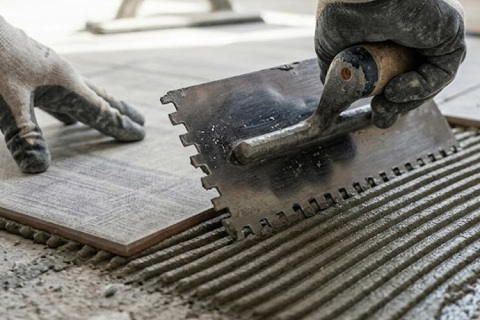
Tile adhesive looks simple on paper. Cement, sand, a few additives, mix with water. But anyone who has watched a large-format tile slide down a wall thirty minutes after installation knows that the chemistry underneath matters enormously. The additive that makes or breaks tile adhesive performance in real construction conditions is HPMC cellulose ether — and not all grades perform the same way.
External Thermal Insulation Composite Systems — commonly referred to as ETICS or EIFS — represent one of the fastest-growing segments in the global construction chemicals market. As energy efficiency regulations tighten across Asia, the Middle East, and emerging markets, the demand for high-performance exterior insulation finishing systems is accelerating rapidly.
Achieving EN12004 C2TE classification — the international benchmark for cementitious tile adhesives — is not possible without Redispersible Polymer Powder tile adhesive formulation. RDP is the single additive that bridges the gap between a standard cement-sand mix and a classification-compliant adhesive system. This article examines how VAE redispersible polymer powder construction grade products function within tile adhesive formulations, and why selecting the right RDP for ceramic tile adhesive is the most critical decision a dry mix mortar manufacturer can make.
This article explores how these three additives function individually, how they interact within a mortar system, and why their combined use delivers results that no single component can achieve alone.
Redispersible Polymer Powder (RDP) is widely used in modern dry mix mortar and tile adhesive formulations. As a key construction additive, RDP powder improves adhesion, flexibility, crack resistance, and durability in cement-based building materials.
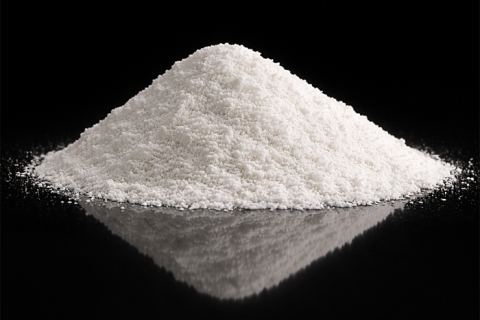
Hydroxyethyl Methyl Cellulose (HEMC) is an important cellulose ether widely used in dry mix mortar formulations. In tile adhesive systems, HEMC Powder acts as a multifunctional additive that improves water retention, workability, and adhesion performance. Tile adhesive requires stable consistency, sufficient open time, and strong bonding strength to ensure proper installation of ceramic or porcelain tiles. Construction Grade HEMC plays a critical role in achieving these performance requirements by optimizing mortar rheology and hydration behavior.