


- Home
- >
News
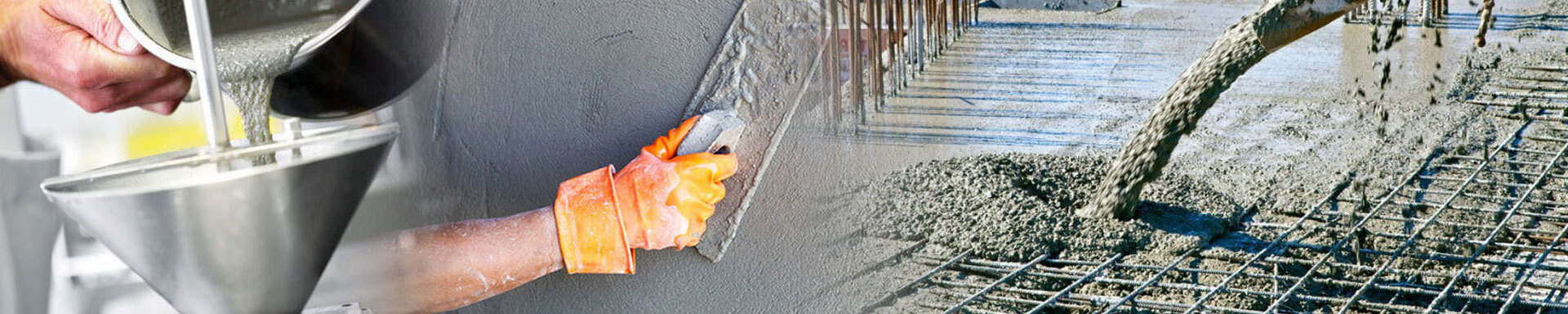
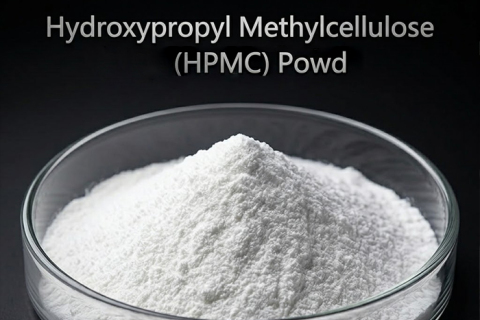
Tiles falling off walls six months after installation. Plaster cracking before the paint even goes on. Mortar that dries out before the worker finishes spreading it. These are not random site accidents. They are predictable failures that trace back to one missing or incorrectly specified ingredient in the dry mix mortar formula: Hydroxypropyl Methyl Cellulose. If your mortar, tile adhesive, or wall plaster is failing on site, this article explains exactly why HPMC powder is the solution and what to look for when sourcing it.
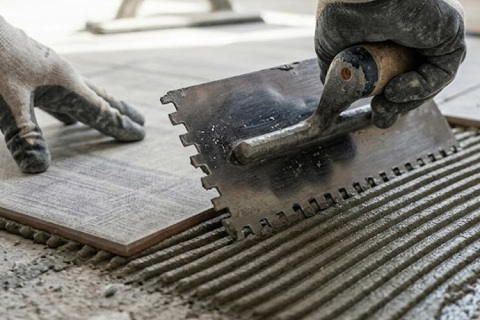
Tile adhesive looks simple on paper. Cement, sand, a few additives, mix with water. But anyone who has watched a large-format tile slide down a wall thirty minutes after installation knows that the chemistry underneath matters enormously. The additive that makes or breaks tile adhesive performance in real construction conditions is HPMC cellulose ether — and not all grades perform the same way.
External Thermal Insulation Composite Systems — commonly referred to as ETICS or EIFS — represent one of the fastest-growing segments in the global construction chemicals market. As energy efficiency regulations tighten across Asia, the Middle East, and emerging markets, the demand for high-performance exterior insulation finishing systems is accelerating rapidly.
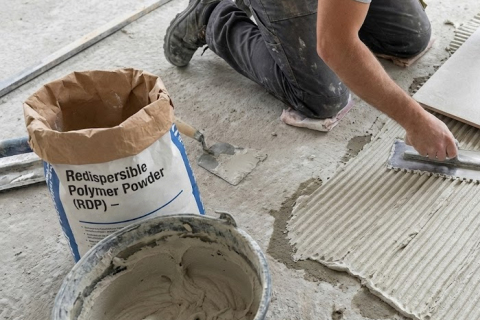
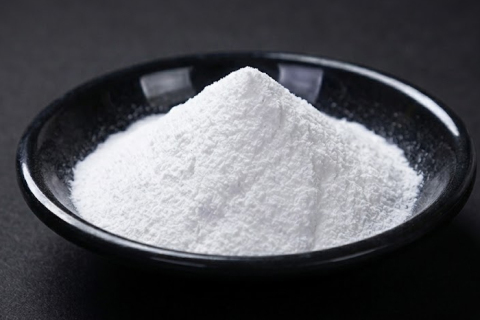
Redispersible Polymer Powder (RDP) is one of the most important polymer additives used in modern dry-mix mortar systems. It plays a key role in improving overall mortar performance, especially in tile adhesive mortar, repair mortars, and exterior wall systems.