


- Home
- >
News
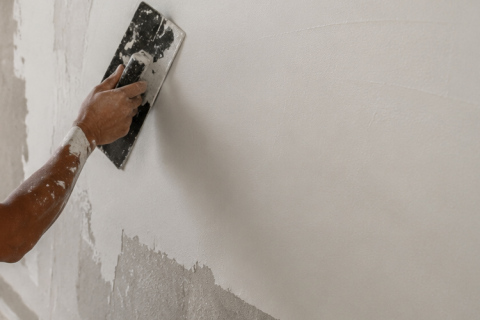
Wall putty is one of the highest-volume dry mix mortar products in residential and commercial construction markets across Southeast Asia, South Asia, and Europe. It is also one of the most competitive, with dozens of local and regional brands competing on price, workability, and surface finish quality. For wall putty manufacturers, the difference between a product that builds contractor loyalty and one that loses market share to a competitor often comes down to a single ingredient: Hydroxypropyl Methyl Cellulose.
In modern construction projects, mortar failure remains one of the most frequent and frustrating problems. From tile debonding and hollowing to cracked plaster and poor workability, these issues lead to costly rework, project delays, and damaged reputations. As construction standards rise — especially in hot climates like the Middle East, Southeast Asia, and Africa — traditional cement mortar often falls short. Common on-site problems include:
If you are manufacturing tile adhesive for markets where summer temperatures exceed 35°C, and your contractors are reporting open time complaints, tile slippage, or adhesion failures on large-format installations — the problem is almost certainly your HPMC specification. Not your cement content. Not your aggregate grading. Your HPMC. This article explains why, and what the correct specification looks like.
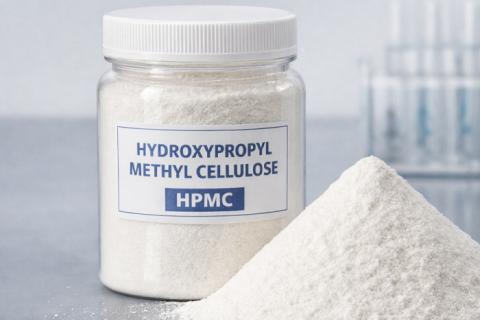
In modern construction, tile adhesive and cement-based mortars often dry too quickly, especially in hot or dry environments. This leads to major challenges for contractors and manufacturers:
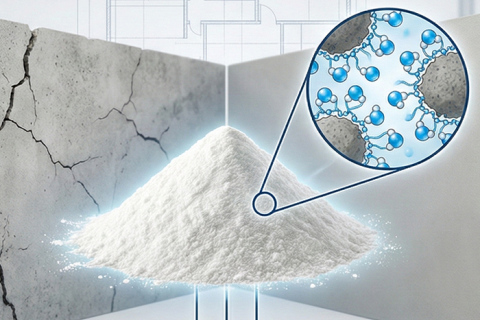
In the global construction industry, the demand for high-performance building materials is surging. Two major challenges—concrete cracking and insufficient structural strength—often lead to project delays and safety concerns.

Hydroxypropyl Methyl Cellulose (HPMC) is a key cellulose ether widely used in modern construction materials, especially in dry-mix mortar systems. Acting primarily as a water retention agent and rheology modifier, HPMC plays a critical role in improving application performance, consistency, and final quality of cement-based products.
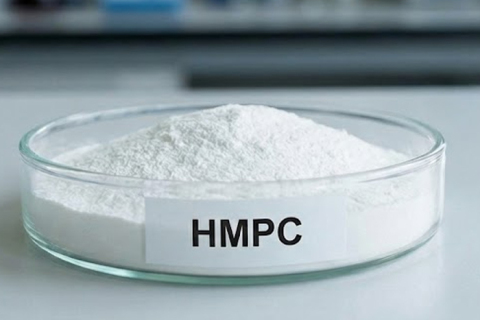
Hydroxypropyl Methyl Cellulose (HPMC) is a key functional additive widely used in modern construction materials, especially in dry-mix mortars. With its excellent water retention, thickening ability, and rheology control, HPMC plays a critical role in improving workability, application performance, and final quality of cement-based systems. As construction standards continue to rise, HPMC has become an indispensable component in high-performance building materials.
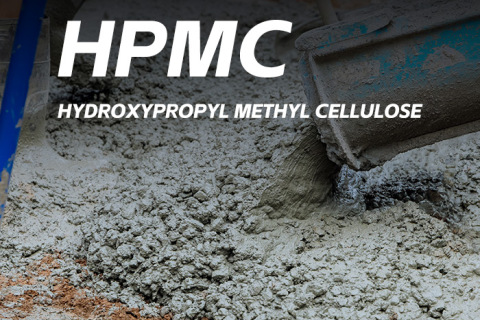
Hydroxypropyl Methyl Cellulose (HPMC) is a high-performance cellulose ether widely used in dry-mix mortar formulations. Its multifunctional role in water retention, workability enhancement, thickening behavior, and open time extension makes HPMC one of the indispensable additives in today’s construction materials. This article explains the technical mechanisms of HPMC and its contribution to consistent mortar performance and long-term durability.
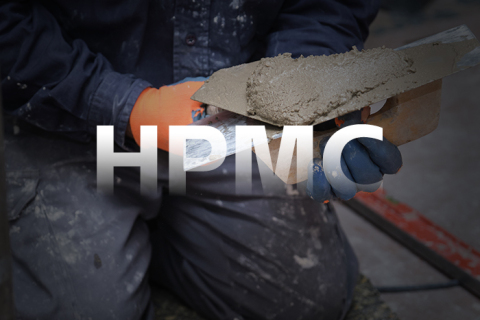
Hydroxypropyl Methyl Cellulose (HPMC), a non-ionic cellulose ether, is an indispensable component in modern construction dry-mix mortar formulations. By forming a high-viscosity colloid in water solution, HPMC provides exceptional High Water Retention and precise Rheology Control in cementitious materials. HPMC significantly improves mortar workability, Bonding Strength, and Anti-Sagging Property, serving as a critical guarantee for the final quality and durability of building materials.
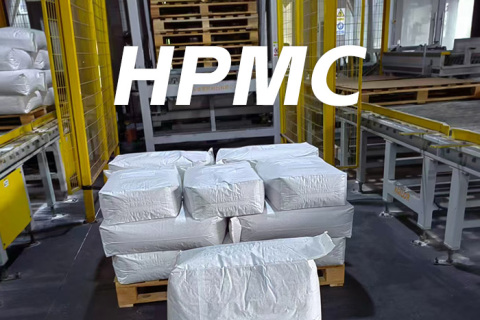
In exterior wall insulation systems, mortar acts as the crucial "bridge" connecting insulation boards to the wall, and its performance directly determines the safety and durability of the entire system. Hydroxypropyl Methyl Cellulose (HPMC) is the key core additive that ensures exterior wall insulation mortar meets these high standards.
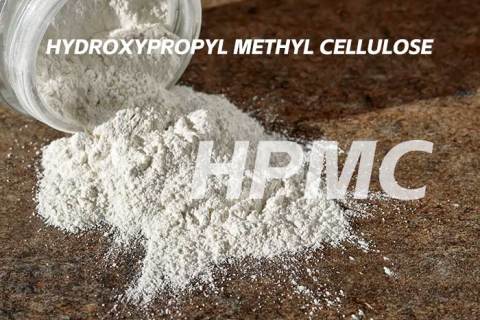
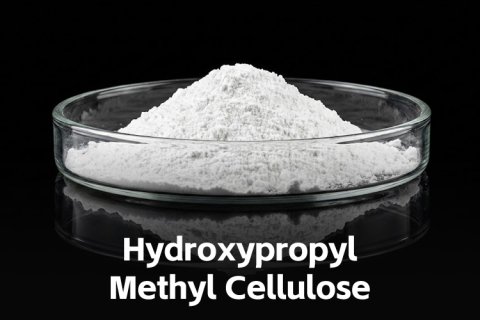
Hydroxypropyl Methyl Cellulose (HPMC) is a non-ionic cellulose ether derived from natural cellulose through chemical modification. It is a non-toxic, odorless, white to off-white powder that dissolves in cold water to form a transparent, viscous solution. Due to its unique chemical structure, HPMC imparts several key properties to dry-mix mortars: thickening, water retention, dispersion, and film-forming. These characteristics make it an indispensable additive in mortars based on cement, gypsum, and other materials.
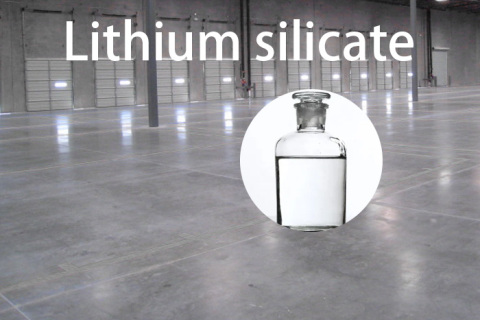
When it comes to commercial polished concrete floors, aesthetics and long-term performance are critical. From shopping malls to airport terminals, businesses are increasingly turning to lithium silicate concrete densifiers to ensure their floors are not only visually stunning but also built to last.