


Magnesium Phosphate Cement for Industrial Floor Repair: Structural Strength in Hours, Not Days
2026-05-12 18:04Industrial floors fail under conditions that standard repair materials cannot handle. A food processing facility running three shifts cannot close a production line for 48 hours while Portland cement cures. A cold storage warehouse cannot maintain the above-zero temperatures that conventional repair mortars require to develop strength. A pharmaceutical plant cannot tolerate the surface dusting and shrinkage cracking that accompany fast-set Portland systems in critical hygiene zones.
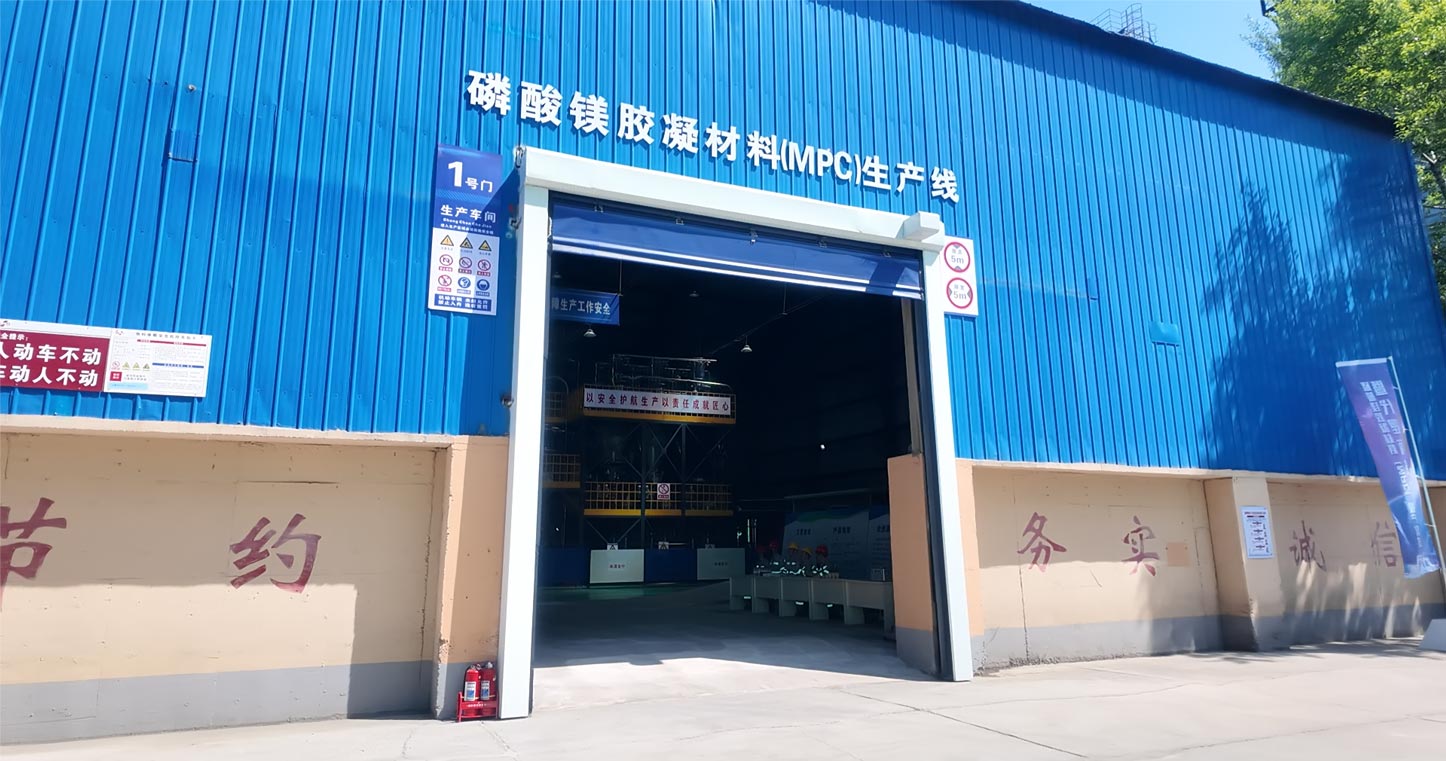
——Magnesium Phosphate Cement (MPC) Manufacturing Plant
Magnesium Phosphate Cement was developed for exactly these conditions. Its ceramic-chemistry reaction delivers structural repair strength within 2 to 4 hours at ambient temperature — without steam curing, without heated enclosures, and without the shrinkage that initiates progressive failure in Portland-based industrial floor repairs.
The Industrial Floor Repair Problem Portland Cement Cannot Solve
When a section of industrial floor fails — joint edge spalling, impact damage from dropped equipment, surface delamination in a forklift travel lane — the repair decision involves more than material selection. It involves production scheduling, hygiene compliance, and the cost of every hour the affected area remains out of service.
Portland cement repair mortars require a minimum of 24 hours before light foot traffic and 48 to 72 hours before forklift loading. For a 24-hour production facility, this means a minimum two-day production disruption per repair event. Multiply this across a large facility with multiple repair events per year and the downtime cost significantly exceeds the material cost of every repair combined.
Rapid hardening cement MPC changes this arithmetic. A repair placed during a scheduled cleaning break can be open to forklift traffic before the next production shift begins. The same repair placed at the end of a Friday shift is fully load-bearing by Saturday morning — without the failed bonds, shrinkage cracks, and edge spalling that characterize fast-set Portland systems under the same conditions.
Why MPC Outperforms Fast-Set Portland in Industrial Applications
The performance difference is not marginal. At 2 hours — the critical time point for shift-change reopening — MPC rapid repair mortar supplier grade products achieve compressive strengths of 25 to 40 MPa. Fast-set Portland systems achieve 8 to 15 MPa at the same time point. Standard OPC repair mortars achieve 2 to 5 MPa.
The bond strength difference is equally significant. MPC's phosphate chemistry produces a genuine chemical bond to the calcium silicate matrix of existing concrete — not just mechanical interlock at a roughened surface. Pull-off bond strengths above 2.5 MPa are consistently achieved on properly prepared substrates, compared to 0.8 to 1.5 MPa for Portland-based repair mortars. For industrial floor repairs where edge debonding under forklift wheel loads is the primary failure mode, this bond strength advantage directly determines repair service life.
Technical Parameters
| Parameter | Specification |
|---|---|
| Appearance | Grey to off-white powder |
| Initial Set Time | 15–30 min (adjustable) |
| 2-Hour Compressive Strength | ≥25 MPa |
| 28-Day Compressive Strength | ≥65 MPa |
| Bond to Existing Concrete | ≥2.5 MPa |
| Flexural Strength (28-day) | ≥8 MPa |
| Shrinkage (28-day) | ≤0.02% |
| Chemical Resistance | Acids, alkalis, oils |
| Service Temperature | -10°C to +50°C |
Performance Comparison
| Performance Indicator | OPC Repair | Fast-Set Portland | Magnesium Phosphate Cement |
|---|---|---|---|
| 2-Hour Compressive Strength | 2–5 MPa | 8–15 MPa | 25–40 MPa |
| Bond to Existing Concrete | 0.8–1.2 MPa | 0.8–1.5 MPa | ≥2.5 MPa |
| Shrinkage | Moderate | Moderate | ≤0.02% |
| Floor Opening Time | 24–48 hr | 6–8 hr | 2–4 hr |
| Cold Weather Performance | Poor | Moderate | Good to -10°C |
| Chemical Resistance | Moderate | Moderate | Excellent |
Our Production Capability
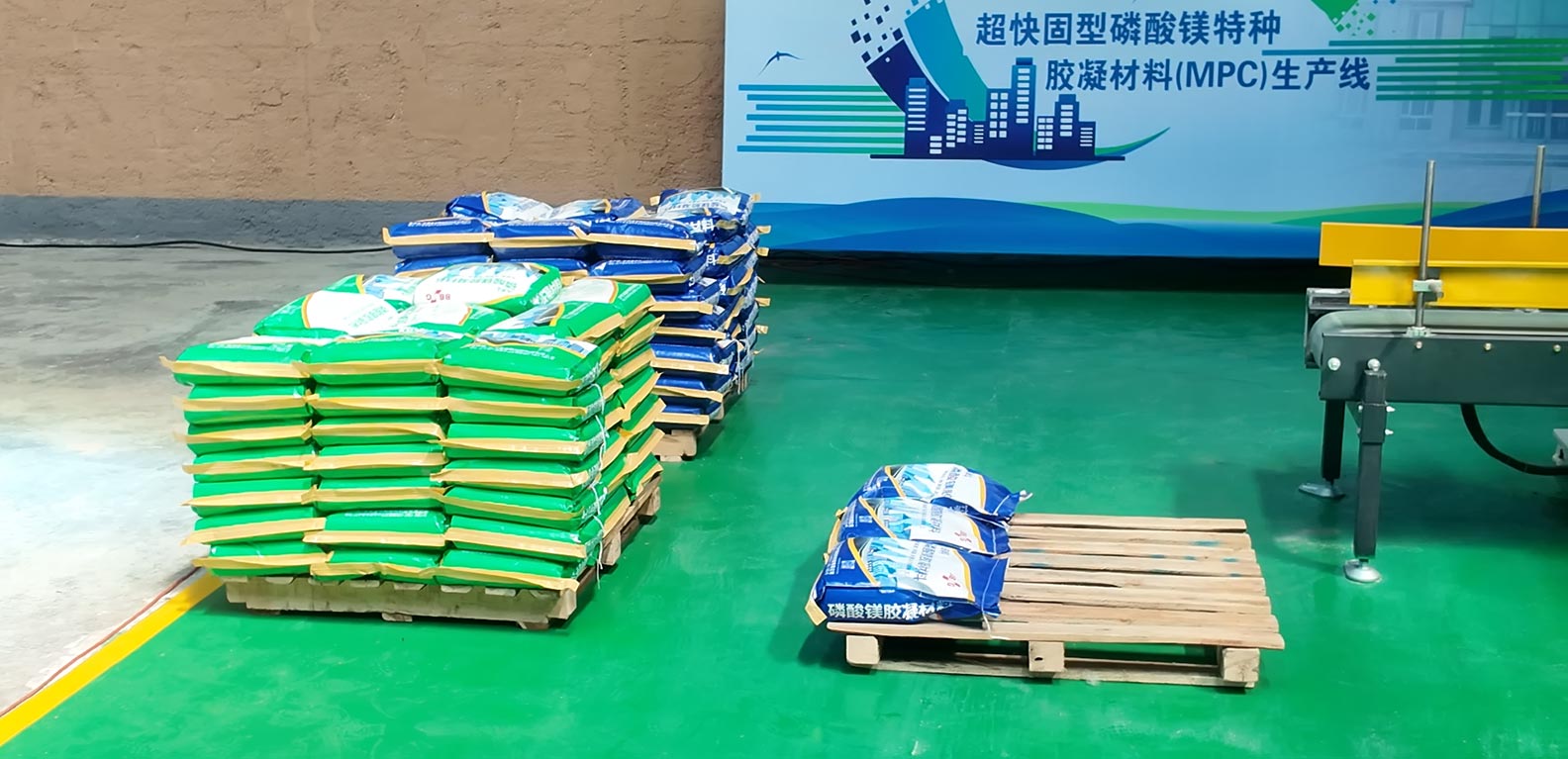
We manufacture Magnesium Phosphate Cementat our dedicated production facility, with full process control from raw material sourcing through finished product quality verification. Our facility produces MPC binder under ISO9001-certified quality management systems, with batch testing confirming setting time, compressive strength development, and bond performance before release.
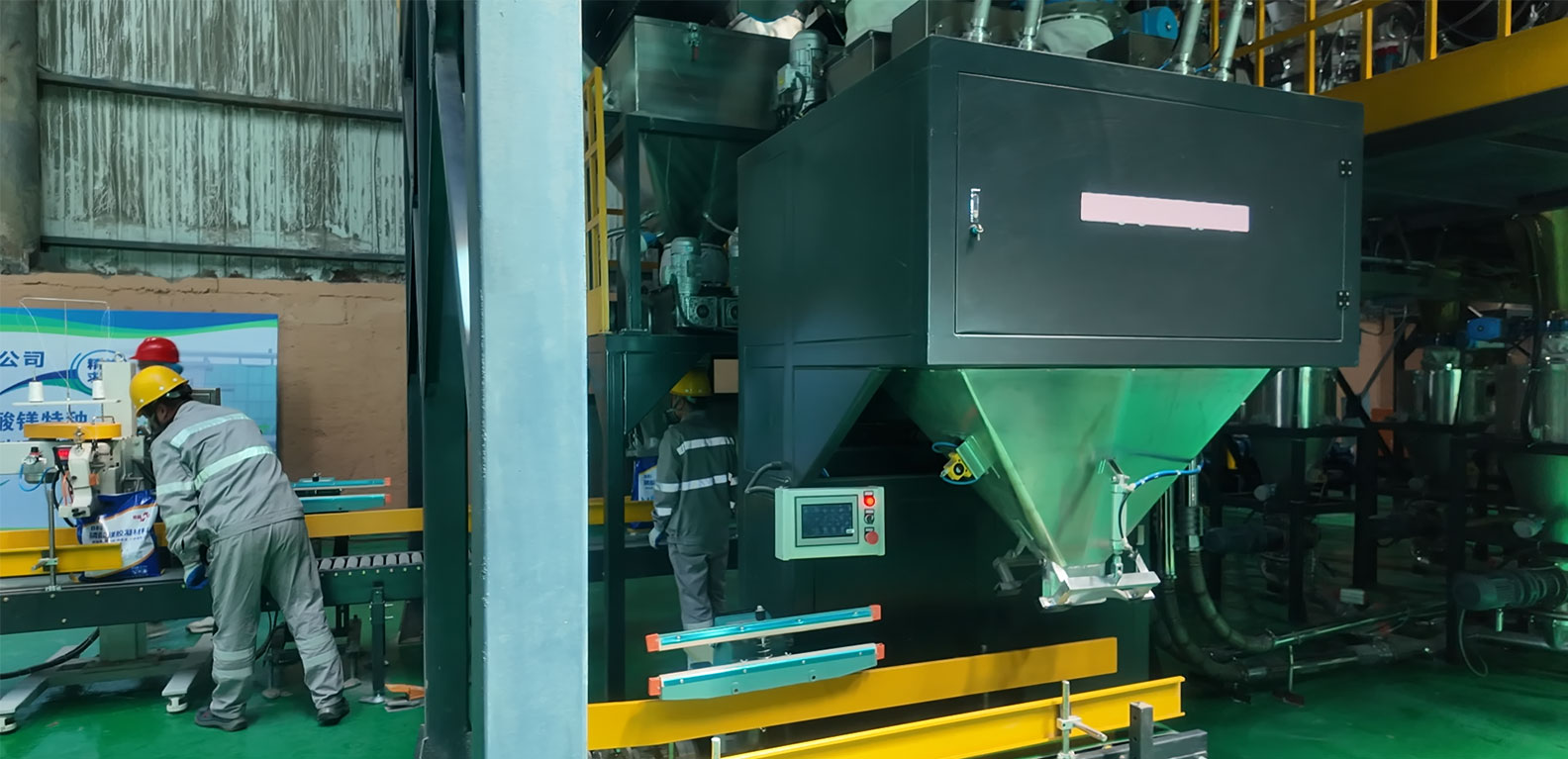
——MPC Production Facility
Every batch ships with a full Certificate of Analysis covering initial set time, 2-hour and 28-day compressive strength, bond strength, and shrinkage — giving specifiers and contractors the verified performance data needed for project approval and quality assurance documentation.
Production capacity supports both standard volume orders and project-specific large volume requirements. Lead times and minimum order quantities are available on request.
Frequently Asked Questions
Q: Our facility operates at 5°C in winter. Will MPC achieve adequate strength for floor reopening within our 4-hour maintenance window at this temperature?Yes — this is one of MPC's genuine advantages over Portland-based repair systems. The phosphate acid-base reaction that drives MPC strength development is less temperature-sensitive than cement hydration. At 5°C, magnesium phosphate cement industrial floor repair systems achieve 18 to 25 MPa at 4 hours — sufficient for forklift traffic reopening — whereas fast-set Portland systems at the same temperature may achieve only 5 to 8 MPa. For temperatures approaching 0°C, minor mix water warming to 15 to 20°C is sufficient to maintain normal strength development without the heated enclosures that Portland systems require.
Q: We need the repair surface to be chemically resistant to the cleaning agents used in our food processing facility, including quaternary ammonium compounds and dilute phosphoric acid. Is MPC suitable?MPC rapid repair mortar supplier grade products demonstrate good resistance to the cleaning chemical regimes used in food processing environments. The dense, low-porosity ceramic matrix produced by MPC's phosphate chemistry limits chemical ingress significantly compared to Portland cement repair surfaces. Quaternary ammonium compounds and dilute phosphoric acid at standard cleaning concentrations do not affect cured MPC performance. For facilities using aggressive acid cleaning above pH 2, we recommend a discussion of your specific chemical regime before specification — we can provide immersion test data for your particular cleaning agents on request.
Conclusion
For industrial facility managers and maintenance contractors where floor repair downtime carries a direct production cost, Magnesium Phosphate Cement delivers the combination of 2-hour structural strength, superior bond, near-zero shrinkage, and cold-weather capability that Portland cement systems cannot match. Backed by our own production facility and verified batch-level quality documentation, our MPC binder is the specification-grade solution for demanding industrial floor repair applications.
Contact us to request a sample, technical data sheet, or project-specific application support.