


Solving Self-Leveling Compound Flow Inconsistency with Polycarboxylate Superplasticizer Powder CAS 25133-97-5
A dry mix mortar manufacturer based in Thailand producing self-leveling compound, tile adhesive, and repair mortar for distribution across the domestic construction market had been experiencing a recurring quality problem for several months. Their self-leveling compound was their highest-margin product and their most technically demanding formulation. It was also the product generating the most customer complaints.
The Challenge
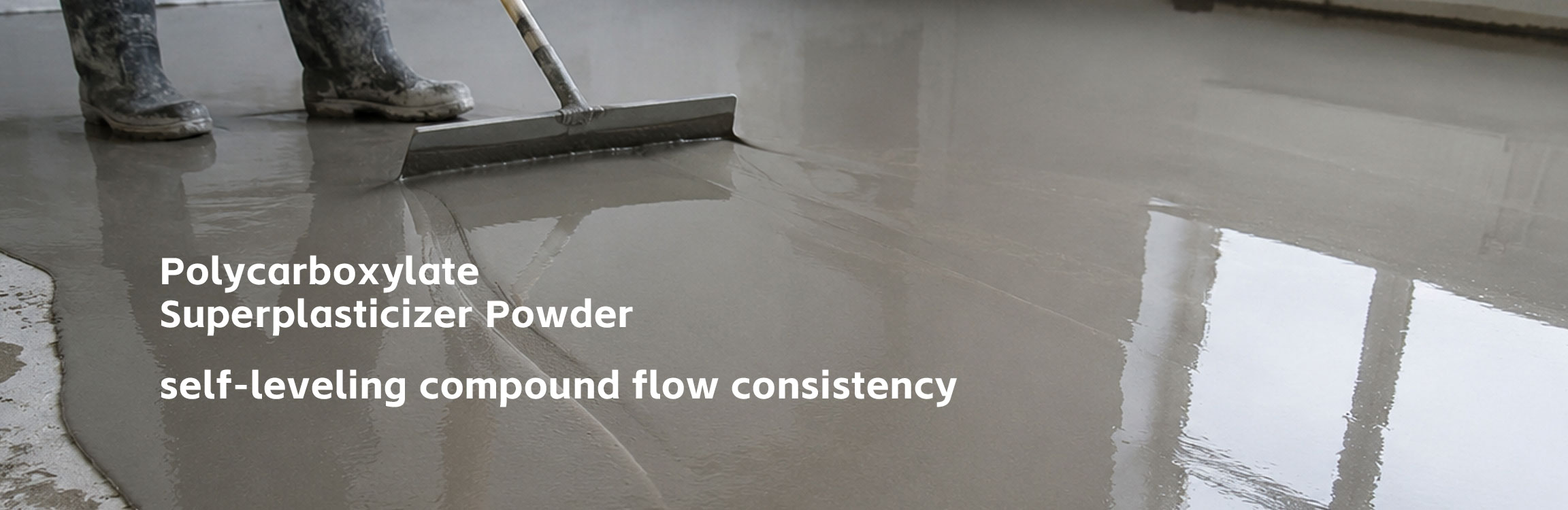
The manufacturer's self-leveling compound was formulated to achieve a flow value of 250 to 265 mm on the EN 13813 flow table test at a fixed water addition rate of 22 percent by weight of dry blend. In laboratory conditions with freshly produced dry mix, the product consistently hit this target. On construction sites across Bangkok and Chiang Mai, contractors were reporting that the product flowed inconsistently between bags from the same pallet. Some bags produced a fluid, self-leveling surface. Others produced a stiff mix that required manual spreading and left trowel marks on the finished floor surface.
The quality control team tested incoming raw materials and identified the problem. Their PCE powder for dry mix mortar, sourced from a regional distributor, showed active content ranging from 88 to 96 percent across different delivery batches, despite the supplier's stated specification of above 95 percent. At 88 percent active content, the effective dispersant concentration in the finished mortar dropped below the threshold required for consistent self-leveling flow at the standard water addition rate. Contractors were adding extra water to compensate, which increased the water-cement ratio above 0.45 and reduced 28-day compressive strength below the 15 MPa minimum specified for the product.
The manufacturer had been adjusting PCE powder dosage upward to compensate for low-active-content batches, but this approach was unsustainable. It increased raw material cost per bag, created inventory management complexity as different dosage levels applied to different incoming batches, and still produced occasional flow failures when active content dropped below 90 percent.
The Solution
After contacting EastChem, the procurement and technical teams received a product evaluation proposal for Polycarboxylate Superplasticizer Powder CAS 25133-97-5 with certified active content above 95 percent on every production batch. EastChem supplied trial quantities covering four weeks of production alongside batch-specific test certificates showing active content, moisture content, and bulk density for each shipment.
The manufacturer ran parallel production trials comparing EastChem PCE powder against their existing supply across 20 production batches of self-leveling compound at the standard formulation dosage of 0.5 percent by weight of dry blend. Flow values across all 20 EastChem batches ranged from 252 to 268 mm, well within the target range of 250 to 265 mm. Compressive strength at 28 days across all batches exceeded 18 MPa, above the 15 MPa product specification. No batch required dosage adjustment during the trial period.
The Results
Within six weeks of switching to EastChem as their PCE powder supplier for dry mortar manufacturer requirements, the Thai company reported elimination of contractor complaints related to self-leveling compound flow inconsistency. The quality control team discontinued the incoming batch dosage adjustment process entirely, reducing production preparation time and the risk of formulation errors during high-volume production runs.
Material cost per bag stabilized because the consistent active content eliminated the dosage inflation that had been applied to compensate for low-active-content batches. The procurement team calculated that the effective cost per unit of active PCE was lower with EastChem supply despite a slightly higher list price per kilogram, because every kilogram of product delivered the stated active content rather than averaging 90 to 92 percent across deliveries.
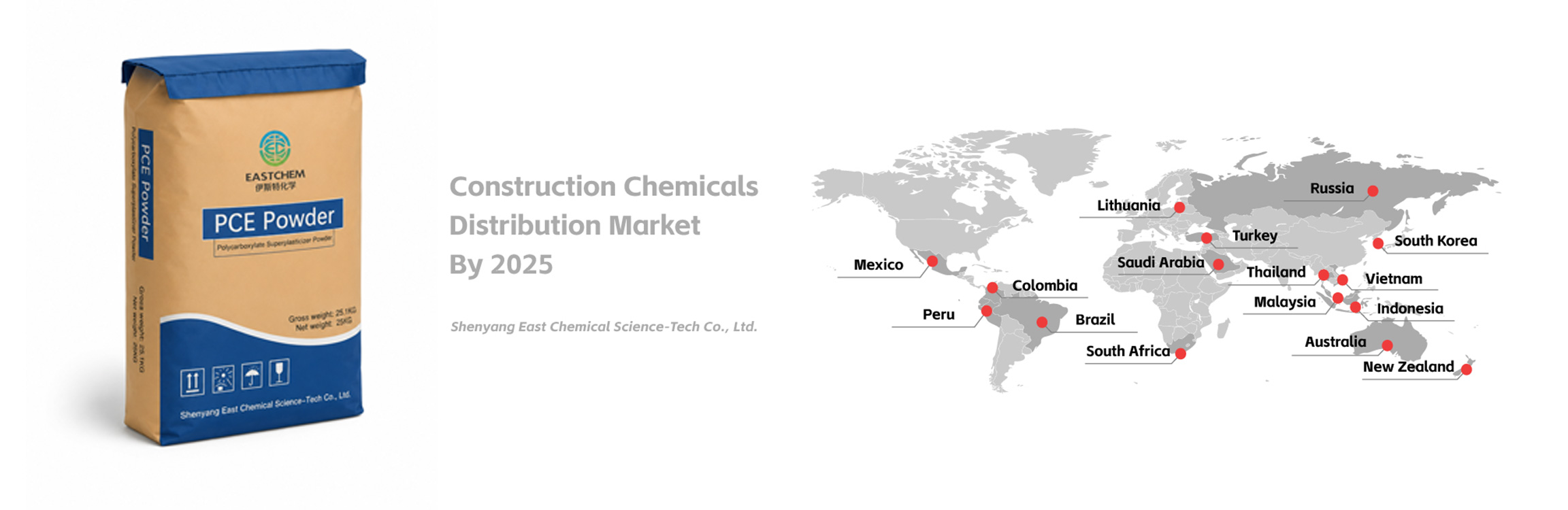
The manufacturer subsequently extended EastChem supply to cover PCE powder for dry mix mortar across their tile adhesive and repair mortar product lines, establishing a quarterly supply agreement that also covered HPMC and RDP requirements to consolidate raw material sourcing and simplify incoming quality management.
What the Customer Said
"We spent months adjusting dosages and testing batches trying to stabilize our self-leveling compound. The problem was not our formulation. It was the active content variation in our PCE powder. Since switching to EastChem, every batch hits the flow target at the standard dosage and we have not had a single contractor complaint about consistency."
Production Director, Dry Mix Mortar Manufacturer, Thailand
Frequently Asked Questions
What active content should PCE powder have for self-leveling compound production?
PCE powder for self-leveling compound should maintain active content above 95 percent consistently across all production batches. Active content variation of more than 3 to 5 percent below specification shifts flow value by 20 to 40 mm at the same dosage and water addition rate, producing mortar that fails to self-level at the target consistency without additional water that compromises compressive strength.
How does PCE powder active content affect self-leveling compound flow consistency?
Active content directly determines the effective dispersant concentration in the mixed mortar. Lower active content reduces cement particle dispersion, increasing water demand and reducing flow value at the same water addition rate. Batch-specific active content certification from the supplier is the only reliable way to confirm that each incoming batch will produce the target flow value at the standard formulation dosage without adjustment.
Can EastChem supply Polycarboxylate Superplasticizer Powder CAS 25133-97-5 with batch test certificates?
Yes. EastChem provides batch-specific test certificates covering active content, moisture content, and bulk density as standard with every shipment. Certificates are provided before shipment to allow incoming inspection before production use. Contact our technical team to request a sample and evaluation proposal for your self-leveling compound or other dry mortar formulation.