


- Home
- >
News
This article explores how these three additives function individually, how they interact within a mortar system, and why their combined use delivers results that no single component can achieve alone.
Modern construction increasingly demands durable, high-performance concrete and flooring solutions. Traditional curing and surface treatment methods often fail to prevent dusting, cracking, or early surface wear. Lithium Silicate has emerged as a high-performance solution, providing chemical hardening, sealing, and protective benefits. In particular, products like Lithium Silicate Concrete Hardener, Floor Treatment, and Sealer are widely used to improve concrete longevity, floor durability, and coating performance.
Redispersible Polymer Powder (RDP) is widely used in modern dry mix mortar and tile adhesive formulations. As a key construction additive, RDP powder improves adhesion, flexibility, crack resistance, and durability in cement-based building materials.
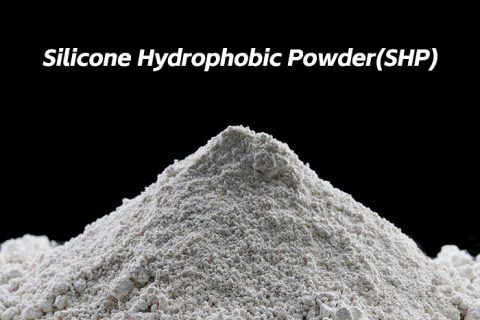
With increasing demands for durable, water-resistant, and long-lasting floors in construction and industrial projects, Silicone Hydrophobic Powder (SHP) is widely used as a high-performance additive in concrete, mortar, and coatings.
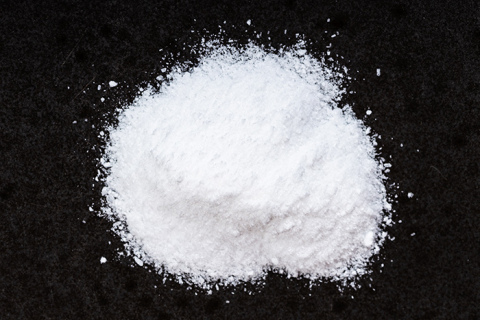
In modern flooring projects, achieving a smooth, flat surface with self-leveling concrete is essential for warehouses, commercial buildings, and residential renovations. However, challenges such as poor flow, uneven surfaces, and slow finishing often affect quality. Our Polycarboxylate Superplasticizer Powder provides a reliable solution as a Self-leveling Concrete Additive, improving performance and construction efficiency.
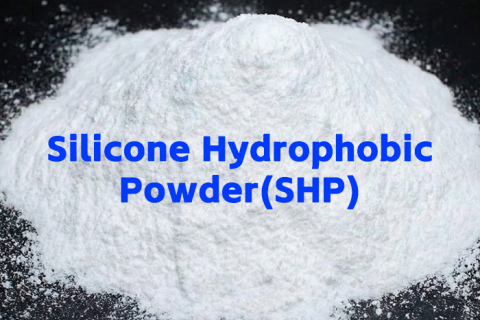
With increasing requirements for durability and long-term protection in modern construction, moisture resistance has become a critical performance factor. Silicone Hydrophobic Powder (SHP) is widely used as a water repellent powder for cement-based materials, helping to improve waterproof performance without compromising breathability. As a functional hydrophobic additive for construction, SHP is increasingly adopted in dry mix mortar systems, rendering mortars, and exterior wall applications.
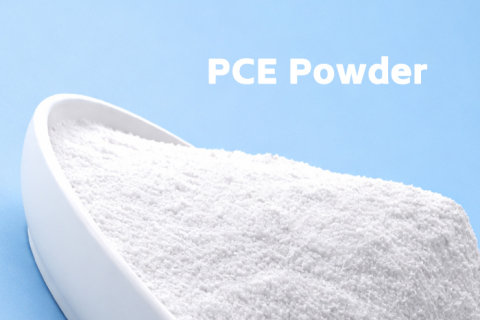
This material is shifting from a supporting additive to a core structural component in Dry Mix Mortar Additives systems.
In today’s construction industry, the demand for high-performance dry mix mortar continues to increase. Contractors expect better strength, improved workability, enhanced durability, and cost-efficient formulations. To achieve these goals, manufacturers rely heavily on optimized Dry Mix Mortar Additives, especially the combination of PCE Powder (Polycarboxylate Superplasticizer Powder) and HPMC (Hydroxypropyl Methyl Cellulose).
For manufacturers of dry mix mortar, rapid-setting materials, and specialty cement products, Lithium Carbonate has become an important construction chemical additive.
With the rapid development of modern construction systems, higher performance requirements are being placed on dry mix mortar, tile adhesive, and EIFS rendering systems. As a key functional additive, Redispersible Polymer Powder plays a critical role in improving bonding strength, flexibility, and durability.
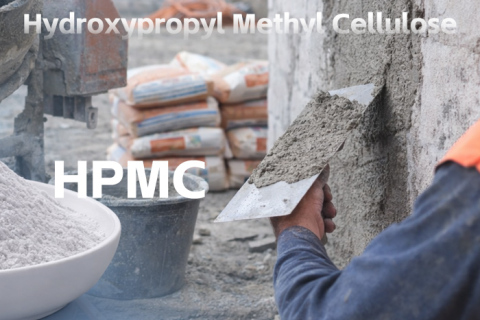
With the rapid development of modern building construction, dry-mix mortar systems such as tile adhesive, wall putty, and plaster mortar require stable workability, strong adhesion, and reliable water retention. Hydroxypropyl Methyl Cellulose HPMC has become a key functional additive to meet these performance demands.
High Performance PCE Powder is widely used in modern construction for its excellent water-reducing and flow-retention properties. However, in advanced mortar and concrete formulations, PCE Powder alone may not fully meet the growing demands for flexibility, adhesion, and long-term durability. Integrating VAE Redispersible Polymer Powder (RDP) into your formulations provides a complete solution, enhancing multiple performance aspects.