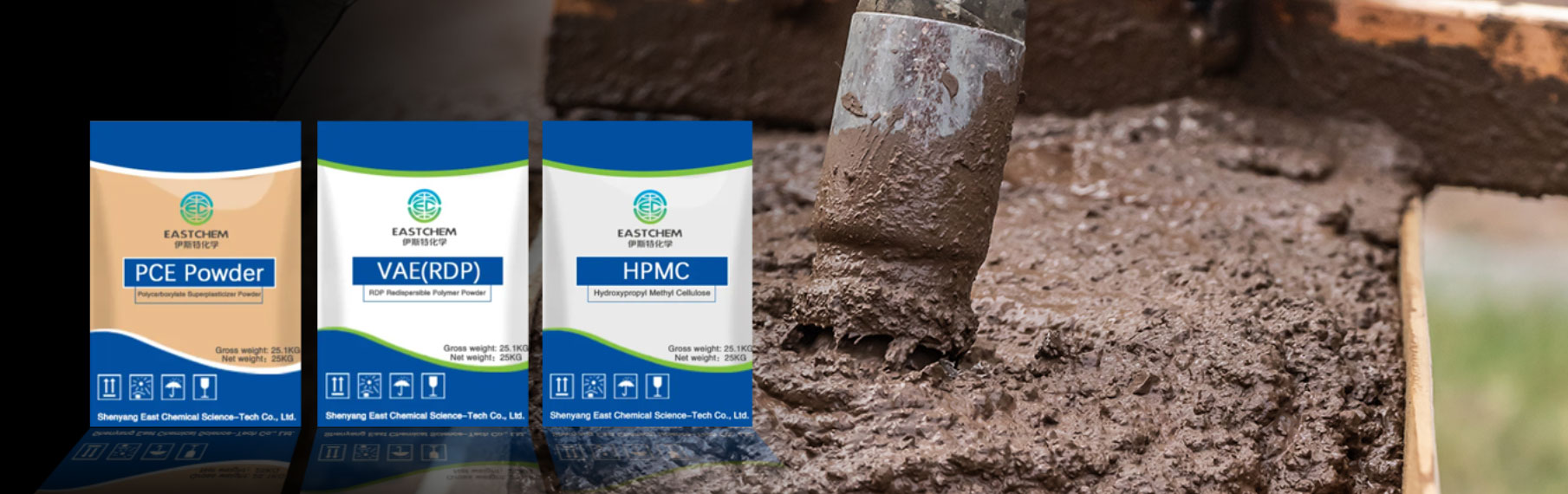


How PCE, RDP, and HEMC Work Together to Deliver High-Performance Construction Mortars
2026-03-23 17:34In modern construction, no single additive can address the full range of performance demands placed on cement-based dry mix mortars. The most effective formulations rely on a carefully balanced combination of functional additives — each targeting a specific performance gap. The synergistic use of PCE superplasticizer RDP mortar additive systems alongside HEMC construction grade cellulose ether represents the current benchmark for high-performance mortar formulation, particularly in the demanding climatic conditions of Southeast Asia, South Asia, and the Middle East.
This article explores how these three additives function individually, how they interact within a mortar system, and why their combined use delivers results that no single component can achieve alone.
Understanding the Three Components
PCE — Polycarboxylate Superplasticizer
PCE is a high-efficiency water-reducing admixture that disperses cement particles through electrostatic repulsion and steric hindrance. In dry mix mortar applications, PCE superplasticizer RDP mortar additive combinations are used to reduce the water-to-cement ratio while maintaining or improving workability. The result is higher compressive strength, reduced shrinkage, and improved long-term durability — all without sacrificing the fresh mortar's flowability or application ease.
RDP — Redispersible Polymer Powder
RDP is a spray-dried polymer powder that redisperses in water to form a flexible polymer film within the mortar matrix. As a core dry mix mortar admixture combination component, RDP bridges the gap between cement hydration products and aggregate particles, dramatically improving tensile adhesion strength, flexibility, and crack resistance. In tile adhesives and exterior renders, RDP HEMC tile adhesive performance is the primary determinant of whether a product passes international pull-off adhesion standards.
HEMC — Hydroxyethyl Methyl Cellulose
HEMC construction grade cellulose ether is the water retention and rheology control agent in the system. It forms a viscous network in the aqueous phase of fresh mortar, slowing water evaporation and maintaining consistent workability throughout the application window. In high-temperature environments, HEMC construction grade cellulose ether with a gel temperature above 65°C ensures that water retention function is not lost at the substrate interface — the most common cause of adhesion failure in tropical climates.
How the Three Additives Interact
The true value of this dry mix mortar admixture combination lies in how each component compensates for the limitations of the others.
PCE alone reduces water demand effectively but can accelerate bleed water migration in high-dosage applications, potentially weakening the bond layer. HEMC counteracts this by retaining water uniformly throughout the mortar matrix, ensuring consistent hydration and preventing the premature stiffening that PCE-heavy formulations can sometimes produce in hot weather.
RDP alone improves flexibility and adhesion but does not address workability or water retention. When combined with HEMC construction grade cellulose ether, the polymer film formation process is supported by a consistently hydrated mortar environment — producing a denser, more uniform film with better adhesion to both substrate and tile backing.
The result of the full dry mix mortar admixture combination is a mortar system that simultaneously achieves high water reduction, extended open time, superior adhesion strength, and long-term flexibility — a performance profile that is particularly critical for RDP HEMC tile adhesive performance in large-format tile installations on high-rise facades.
Application Performance Data
| Performance Indicator | PCE Only | RDP + HEMC Only | PCE + RDP + HEMC Combined |
|---|---|---|---|
| Water Reduction Rate | 25–30% | 5–8% | 28–32% |
| Open Time (40°C) | 15–20 min | 25–30 min | 35–45 min |
| Tensile Adhesion Strength | Baseline | +25–35% | +40–50% |
| Flexibility (Deformation) | Low | High | High |
| Crack Resistance | Moderate | High | Very High |
Recommended Formulation Reference
| Raw Material | Tile Adhesive (%) | Exterior Render (%) |
|---|---|---|
| Portland Cement | 25–30 | 20–25 |
| Graded Sand / Filler | 60–65 | 65–70 |
| PCE Superplasticizer | 0.1–0.2 | 0.05–0.15 |
| RDP | 1.5–2.5 | 0.8–1.5 |
| HEMC (construction grade) | 0.25–0.35 | 0.20–0.30 |
Why This Combination Matters for Tropical Markets
For mortar manufacturers and construction chemical formulators operating in Southeast Asia, South Asia, or the Middle East, the polycarboxylate superplasticizer cellulose ether supplier relationship is as important as the product specifications themselves. Consistent molecular weight distribution in HEMC, stable viscosity in PCE, and uniform film-forming properties in RDP are non-negotiable requirements — batch-to-batch variation in any one component will compromise the performance of the entire system.
The RDP HEMC tile adhesive performance benchmark for large-format tiles (600mm x 600mm and above) in high-temperature facade applications requires open time above 30 minutes, tensile adhesion above 1.0 N/mm² after heat aging, and transverse deformation above 2.5mm. None of these can be reliably achieved without the full dry mix mortar admixture combination described above.
Conclusion
PCE, RDP, and HEMC are individually valuable — but their combined use as a dry mix mortar admixture combination represents the most technically complete approach to modern mortar formulation. For manufacturers targeting high-performance tile adhesive, exterior render, or self-leveling compound applications, working with a polycarboxylate superplasticizer cellulose ether supplier that can supply all three components with consistent quality and full technical support is the most direct path to formulation success.
Contact us to request samples, technical data sheets, or formulation consultation for PCE, RDP, and HEMC construction grade products.