


- Home
- >
News
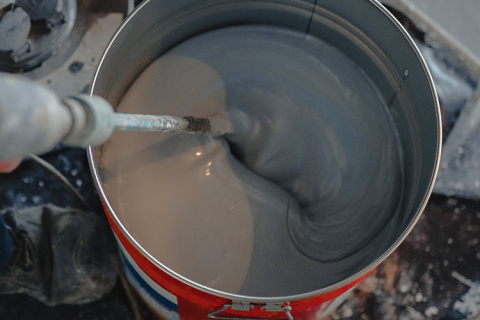
For dry mix mortar manufacturers across Southeast Asia, South Asia, and Europe, batch-to-batch consistency determines customer retention and brand reputation. When mortar performance varies without any change to the formulation, the root cause is almost always one ingredient: Polycarboxylate Superplasticizer Powder. This article covers the four most common dry mortar production problems caused by inconsistent PCE powder and how selecting the right grade eliminates them.
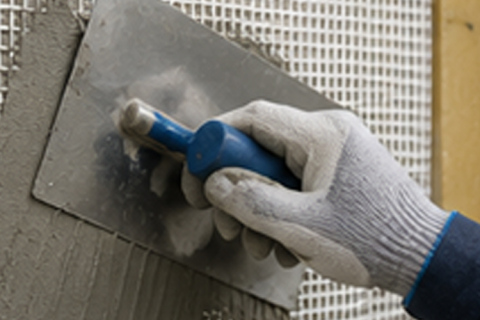
Buying the wrong grade of VAE Redispersible Polymer Powder is one of the most common and costly formulation mistakes in dry mix mortar production. The finished mortar passes lab testing, goes into production, reaches the customer, and then fails on site in ways that are difficult to trace back to the admixture. Tiles debond after six months. Render cracks in the first winter. Self-leveling compound delaminates under foot traffic. In most cases, the root cause is not the formulation dosage but the RDP powder grade: wrong glass transition temperature, wrong ash content range, wrong hydrophobicity level, or wrong flexibility class for the application. This guide explains how to select RDP powder grades systematically so that your mortar performs as designed from the first production batch.
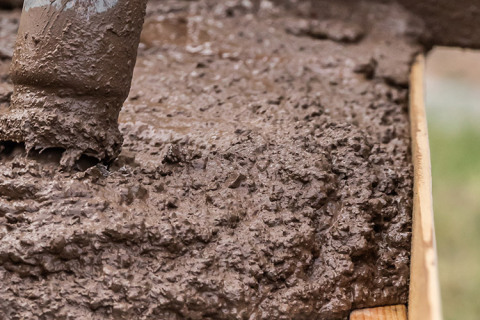
Lithium Carbonate, carrying CAS number 554-13-2, is an inorganic lithium salt with the chemical formula Li2CO3. In construction chemistry, it functions as a lithium carbonate cement accelerator by speeding up the hydration reaction between cement and water, promoting early formation of calcium silicate hydrate phases that give cementitious systems their strength. The result is faster setting time, higher early compressive strength, and shorter waiting time before a repaired or newly placed surface can return to service.
If your concrete floor is dusting, cracking, absorbing water, or losing surface strength under traffic and load, you are not dealing with a cosmetic problem. You are dealing with a structural vulnerability that gets worse over time and more expensive to fix with every month you wait. Lithium Silicate is the chemical solution that addresses all three of these problems at once, permanently, from within the concrete itself.
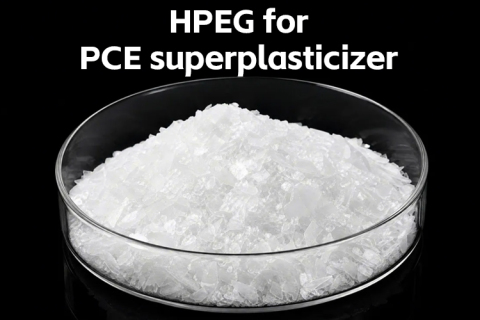
n modern concrete production, achieving a balance between workability, water reduction, and strength development remains a key challenge for admixture manufacturers. Many producers of polycarboxylate-based superplasticizers face issues such as inconsistent dispersion, unstable slump retention, and limited adaptability across different cement types. These problems become more obvious in high-strength concrete, pumped concrete, and ready-mix systems where performance stability is critical.
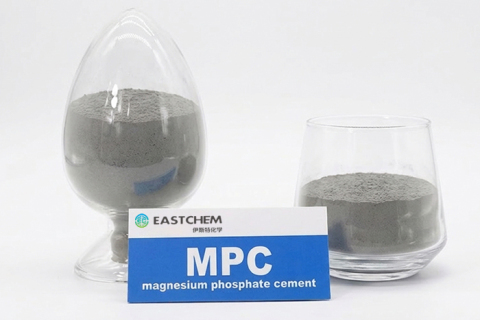
Most concrete repair jobs don't fail because of bad workmanship. They fail because the material wasn't built for the conditions. Standard cement takes days to cure. The job site can't wait days. So contractors patch it, reopen it too early, and watch it deteriorate in three months. Then they do it again. It's not a workmanship problem — it's a materials problem.
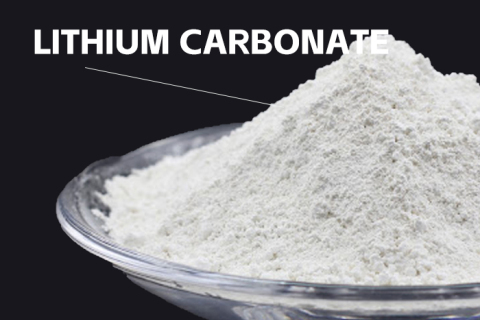
Lithium carbonate concrete accelerator has become the preferred choice for demanding shotcrete applications worldwide. Its ability to catalyze early cement hydration, control setting time with precision, and enhance microstructural density makes it the additive of choice for engineers and contractors operating in tunnels, mines, and underground infrastructure projects.
As global construction standards rise, the choice of polycarboxylate superplasticizer raw material has become increasingly critical. At the heart of every high-performance PCE admixture lies the monomer selection — and for formulators worldwide, HPEG monomer for polycarboxylate superplasticizer and TPEG monomer concrete admixture represent the two most widely adopted options available today.
In modern flooring projects, achieving a smooth, flat surface with self-leveling concrete is essential for warehouses, commercial buildings, and residential renovations. However, challenges such as poor flow, uneven surfaces, and slow finishing often affect quality. Our Polycarboxylate Superplasticizer Powder provides a reliable solution as a Self-leveling Concrete Additive, improving performance and construction efficiency.
This material is shifting from a supporting additive to a core structural component in Dry Mix Mortar Additives systems.
For manufacturers of dry mix mortar, rapid-setting materials, and specialty cement products, Lithium Carbonate has become an important construction chemical additive.
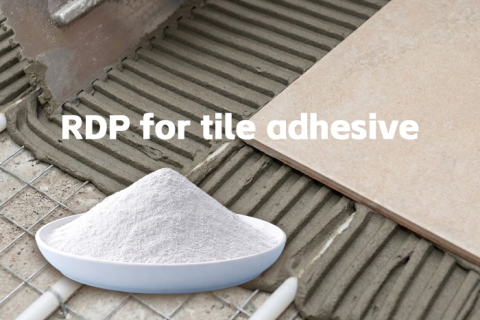
Unlike standard environments, heated floors subject the adhesive layer to constant thermal expansion and contraction. Without the intervention of a high-performance flexible tile adhesive additive, the rigid bond between the substrate and materials like granite or ceramics is prone to shear failure, leading to "hollow" tiles or catastrophic debonding.