


Why Dry Mix Mortar Producers Struggle with Consistency and How Polycarboxylate Superplasticizer Powder Solves It
2026-06-27 19:35For dry mix mortar manufacturers across Southeast Asia, South Asia, and Europe, batch-to-batch consistency determines customer retention and brand reputation. When mortar performance varies without any change to the formulation, the root cause is almost always one ingredient: Polycarboxylate Superplasticizer Powder. This article covers the four most common dry mortar production problems caused by inconsistent PCE powder and how selecting the right grade eliminates them.
What Is Polycarboxylate Superplasticizer Powder in Dry Mix Mortar
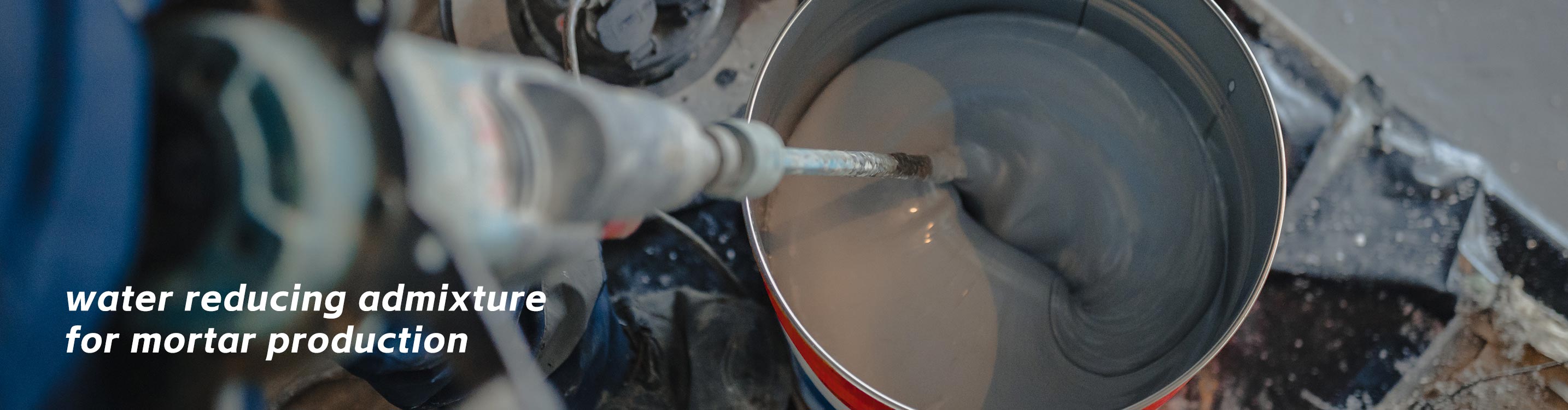
Polycarboxylate Superplasticizer Powder, carrying CAS 25133-97-5, is the powder form of polycarboxylate ether polymer used as a water reducing admixture for mortar production. When the dry blend is mixed with water, PCE powder disperses cement particles through electrostatic repulsion and steric hindrance, reducing water demand and improving flow at lower water-cement ratios. In self-leveling compound, PCE powder for dry mix mortar enables flow values of 230 to 280 mm at water addition rates that do not compromise compressive strength. In tile adhesive and repair mortar, it reduces water demand without affecting open time, improving final bond strength and reducing drying shrinkage.
The Four Pain Points PCE Powder Solves
Flow Value Variation Between Batches
One batch of self-leveling compound flows at 260 mm and levels perfectly. The next flows at 220 mm and requires manual spreading. The formulation has not changed. The cause is active content variation in the PCE powder supply. PCE powder CAS 25133-97-5 should maintain active polymer content above 95 percent consistently. A deviation of 3 to 5 percent shifts flow value by 20 to 40 mm without any visible change to the dry powder. Sourcing from a supplier who certifies active content on every production batch eliminates this variation.
Excessive Water Addition Reducing Final Strength
When PCE powder quality is inconsistent, workers compensate by adding more water to reach the visual consistency they expect. This excess water increases the water-cement ratio, reducing compressive strength by 15 to 25 percent at 28 days and increasing drying shrinkage enough to cause surface crazing on large self-leveling pours. Consistent PCE powder as a water reducing admixture for mortar production stabilizes water demand from batch to batch, eliminating the need for uncontrolled water addition adjustment on the production floor.
Mortar Stiffening Too Quickly After Mixing
Dry mix mortar that stiffens within 10 to 15 minutes of mixing does not give applicators adequate working time. For self-leveling compound, premature stiffening before the surface has leveled under gravity requires mechanical screeding. For tile adhesive, it reduces open time below the minimum for large-format tile installation. PCE powder in slump retention grade maintains workability for 30 to 60 minutes after mixing by sustaining steric hindrance on cement particles. Selecting slump retention grade rather than high water reduction grade for working-time-sensitive applications eliminates premature stiffening without requiring retarder dosage adjustment.
Incompatibility with Different Cement Sources
PCE powder that performs well with one cement type can produce unexpected retardation, insufficient fluidity, or excessive stiffening with another. This incompatibility is determined by cement alkali content, C3A content, and sulfate balance. A reliable PCE powder supplier for construction chemicals provides compatibility testing support, helping customers evaluate PCE performance with their specific cement source before full production commitment.
| Pain Point | Root Cause | Solution |
|---|---|---|
| Flow value variation | Active content inconsistency | Source PCE certified above 95% active content per batch |
| Excess water addition | Unpredictable water demand | Consistent active content stabilizes water demand |
| Premature stiffening | Wrong PCE grade | Select slump retention grade for extended workability |
| Cement incompatibility | C3A and alkali mismatch | Supplier compatibility testing support |
Why EastChem
EastChem is a trusted PCE powder supplier for construction chemicals providing Polycarboxylate Superplasticizer Powder CAS 25133-97-5 to dry mix mortar manufacturers and construction chemical formulators across global markets. Our manufacturing is certified under ISO 9001, ISO 14001, and ISO 45001 systems, and our products meet REACH compliance requirements for European market access.
We supply PCE powder in high water reduction grade and slump retention grade with active content above 95 percent tested and certified on every production batch. Batch certificates and compatibility evaluation support for specific cement types are provided as standard.
Contact EastChem today to request a free sample of PCE powder for dry mix mortar, technical data sheet, or factory pricing for your production requirements.
Frequently Asked Questions
What active content should PCE powder have for dry mix mortar production?
PCE powder for dry mix mortar should maintain active content above 95 percent consistently across batches. Active content below 92 percent introduces water demand variation that cannot be reliably compensated by dosage adjustment.
What is the typical dosage of PCE powder in self-leveling compound?
Dosage typically ranges from 0.3 to 0.8 percent by weight of dry blend. Starting at 0.5 percent and adjusting based on flow table results at the target water addition rate is the recommended approach for new formulations.
Can PCE powder replace liquid PCE in dry mix mortar?
Yes. PCE powder delivers equivalent performance to liquid PCE at equivalent active content and is the only practical option for dry blend systems. It requires no refrigeration and has a shelf life of 12 to 24 months under standard storage conditions.