


- Home
- >
News
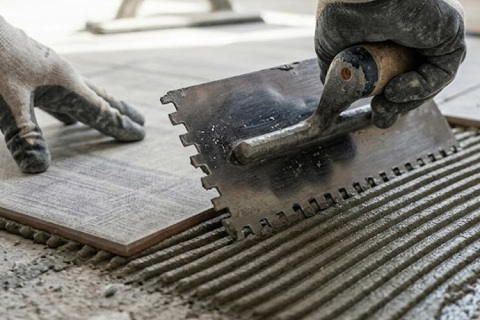
Tiles falling off walls six months after installation. Plaster cracking before the paint even goes on. Mortar that dries out before the worker finishes spreading it. These are not random site accidents. They are predictable failures that trace back to one missing or incorrectly specified ingredient in the dry mix mortar formula: Hydroxypropyl Methyl Cellulose. If your mortar, tile adhesive, or wall plaster is failing on site, this article explains exactly why HPMC powder is the solution and what to look for when sourcing it.
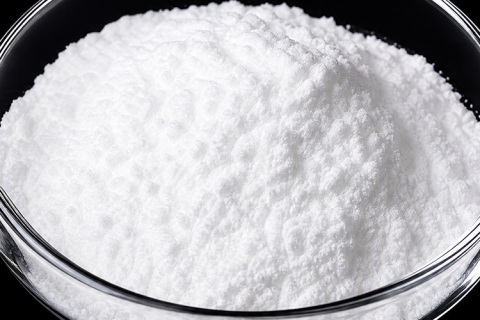
Formulating dry mix mortars that consistently deliver high performance under diverse environmental conditions requires an explicit understanding of additive chemistry. For global formulators and building material distributors, Hydroxypropyl Methyl Cellulose stands as the foundational water retention agent driving the modern dry mix industry. While alternative cellulose ethers exist, the specific structural properties of HPMC construction grade polymers offer balanced open time, sag resistance, and workability that make it indispensable for standard and premium construction applications worldwide.
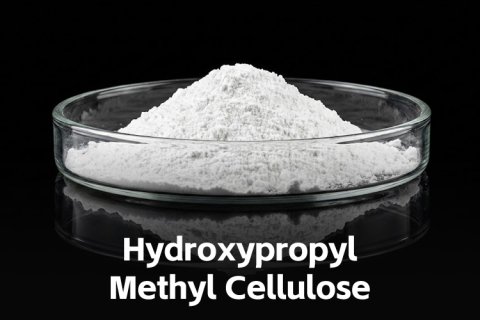
If you are manufacturing tile adhesive for markets where summer temperatures exceed 35°C, and your contractors are reporting open time complaints, tile slippage, or adhesion failures on large-format installations — the problem is almost certainly your HPMC specification. Not your cement content. Not your aggregate grading. Your HPMC. This article explains why, and what the correct specification looks like.
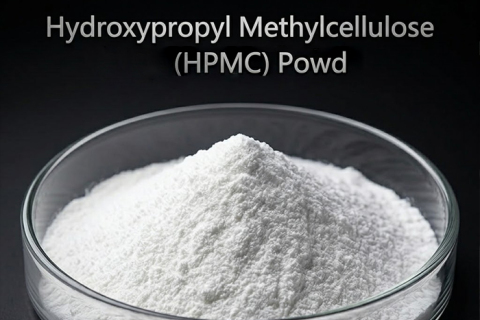
Tile adhesive looks simple on paper. Cement, sand, a few additives, mix with water. But anyone who has watched a large-format tile slide down a wall thirty minutes after installation knows that the chemistry underneath matters enormously. The additive that makes or breaks tile adhesive performance in real construction conditions is HPMC cellulose ether — and not all grades perform the same way.
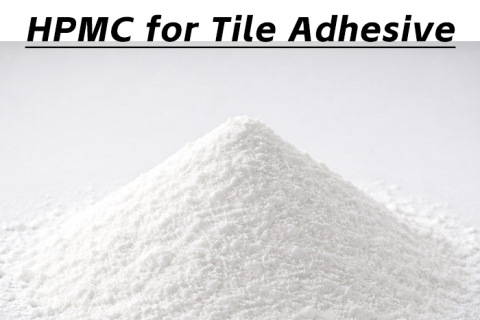
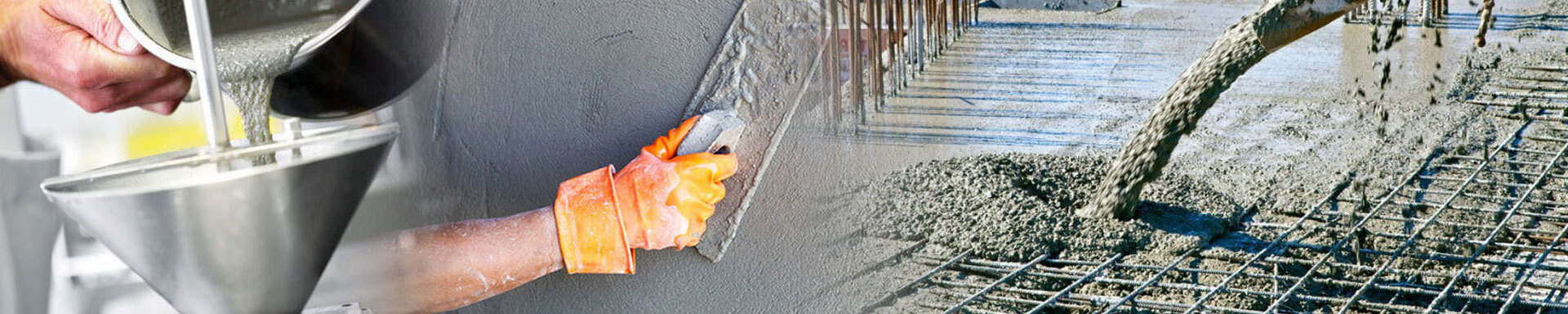
With the rapid development of infrastructure projects, residential housing, and commercial buildings worldwide, the demand for high-performance dry mix mortar additives continues to increase. Among these additives, HPMC (Hydroxypropyl Methyl Cellulose) plays a critical role in improving workability, water retention, and construction efficiency.