


- Home
- >
News
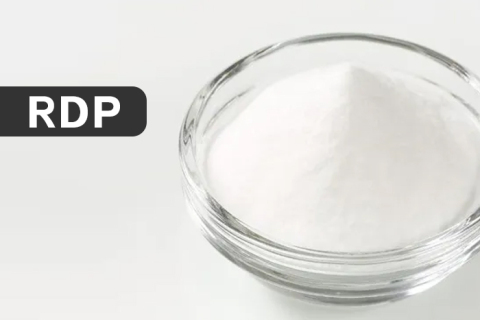
VAE RDP (Vinyl Acetate-Ethylene Copolymer Redispersible Powder) is a widely used additive in the construction industry. Produced through spray-drying technology, VAE RDP is available in powder form, offering excellent redispersibility. When it comes into contact with water, it quickly forms a stable emulsion, significantly enhancing the performance of building materials.
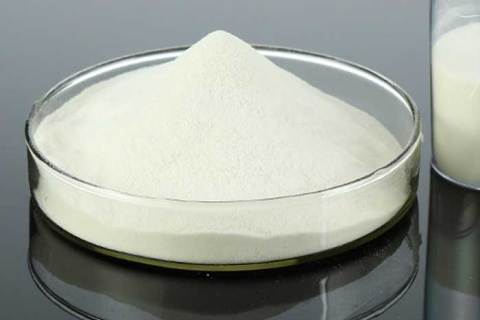
In the competitive world of construction, choosing the right materials can make all the difference. Hydroxypropyl Methylcellulose (HPMC) is not just another additive; it's a strategic partner in achieving exceptional results for ready dry mix mortars.
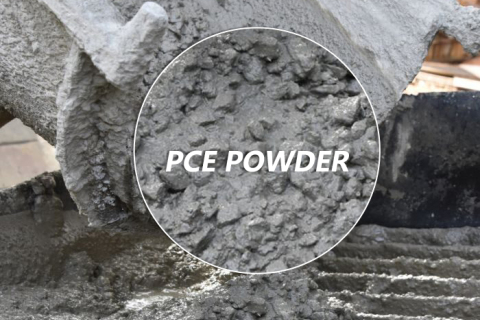
PCE Polycarboxylate Ether Powder is a high-performance concrete and mortar construction admixture, widely used in various building projects.
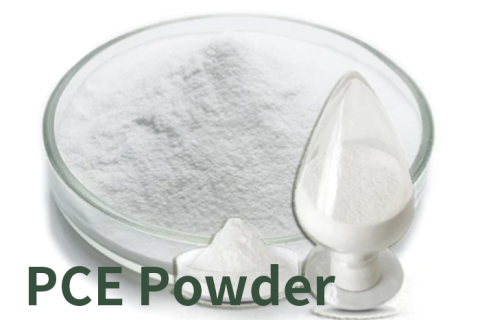
PCE High Range Water Reducing Concrete Admixture is an innovative concrete admixture based on the latest polycarboxylate ether (PCE) technology. It can significantly reduce the moisture content in concrete while maintaining the required workability and flowability. This unique formulation offers numerous benefits, such as increased compressive strength, reduced permeability, and extended slump retention, making it ideal for high-performance concrete projects.
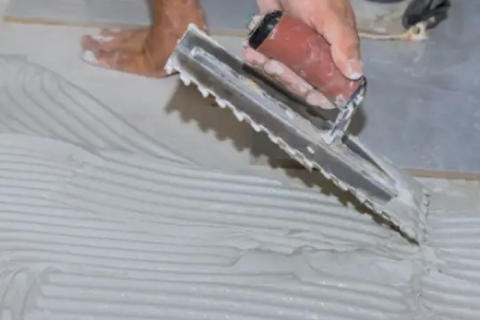
Redispersible Emulsion Powder (RDP) VAE is a versatile polymer powder that enhances the performance of tile adhesives and other construction materials. It provides superior bond strength, flexibility, and water resistance, making it ideal for various applications in the construction industry.
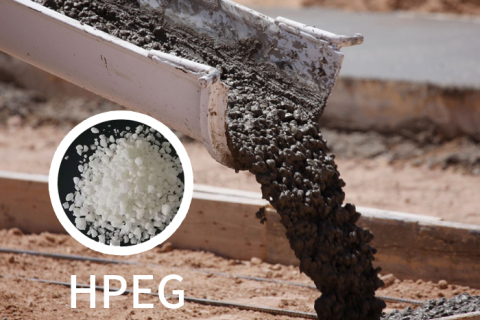
This article presents the advantages of Polycarboxylate Superplasticizer Monomer HPEG for enhancing concrete performance, focusing on workability, water reduction, strength, versatility, and eco-friendliness.
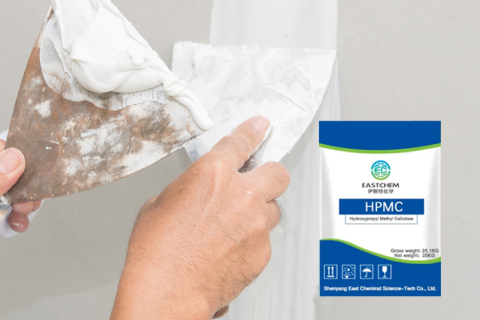
This product article highlights the benefits of using High-Quality HPMC Water Retention Agent in gypsum plasters, focusing on its water retention, workability, eco-friendliness, and compatibility with other additives.
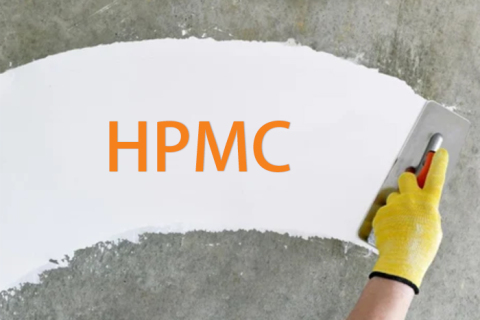
As a leading chemical materials company, we understand the importance of high-performance additives in the construction industry. Our High Quality Water Retention Agent, Hydroxypropyl Methylcellulose (HPMC), is specifically formulated to enhance the performance of gypsum plasters. This article will explore the unique benefits of HPMC, its applications, and why you should choose our product for your construction needs.
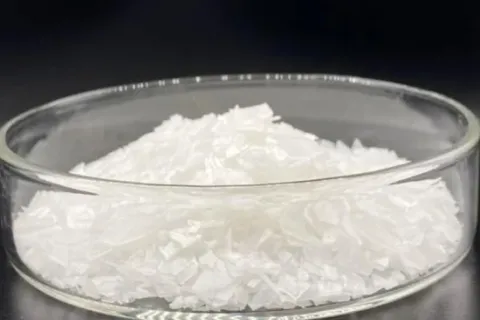
In the modern construction industry, the quality of concrete is crucial as it directly impacts the stability and durability of structures. To enhance concrete performance, TPEG, a new high-efficiency water reducer, has garnered significant attention in the industry. This article will detail the advantages, applications, and real-world cases of TPEG, demonstrating why it is an ideal choice for improving concrete quality.
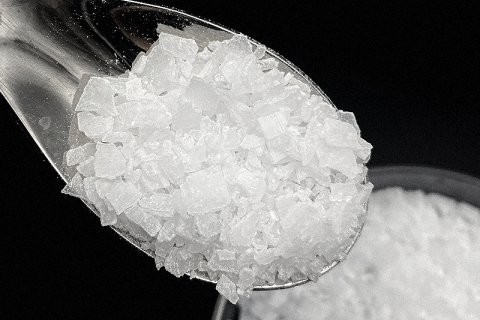
Polycarboxylate superplasticizer monomer HPEG is a cutting-edge solution designed to significantly improve concrete performance. HPEG is outstandingly cost-effective, delivering high water reduction rates at minimal usage, resulting in stronger, more durable concrete.

Hydroxypropyl methylcellulose (HPMC) is a chemically modified cellulose polymer widely used in building materials. Its primary functions include enhancing the performance of mortars and cement, improving construction quality, and offering environmental benefits.

Hydroxypropyl Methylcellulose (HPMC) serves as a high-performance building material modifier that plays a crucial role in the construction industry. Its outstanding adhesive properties, rheological property adjustment, and water resistance make it widely used in products such as cement mortar, tile adhesives, and coatings. By enhancing adhesion, improving water resistance, and adjusting rheological characteristics of building materials, HPMC brings innovation to the construction sector, establishing itself as an indispensable material.