


- Home
- >
News
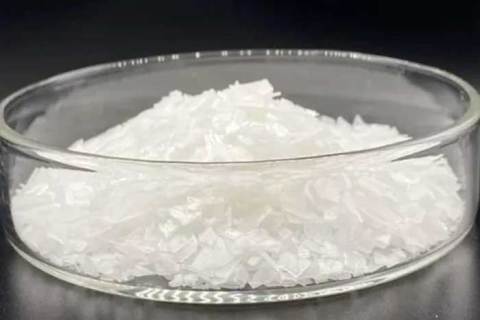
Polycarboxylate Superplasticizer Monomer HPEG is a high-performance building material additive primarily used in the production of concrete and cement products. It significantly enhances the flowability and strength of concrete, making it an essential component in modern construction.
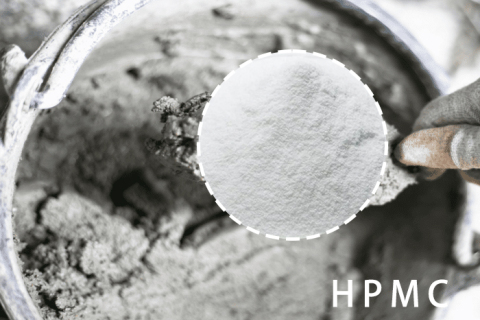
HPMC (Hydroxypropyl Methylcellulose) is a versatile functional additive widely used in the building materials industry. HPMC's excellent bonding properties, water retention, and workability make it an indispensable component in construction applications. This article will explore the use of HPMC in building materials and analyze how it solves common industry problems.
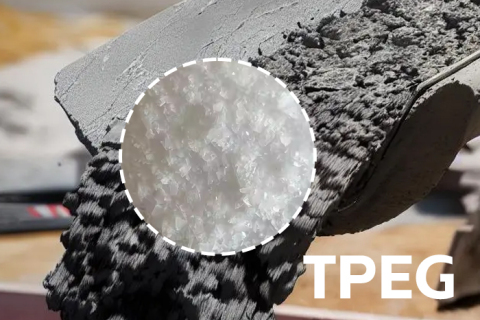
TPEG (Polyether High-Efficiency Water Reducing Agent Monomer) is a new type of water-reducing agent widely used in the construction industry, particularly in the production and application of concrete. TPEG enhances its water-reducing performance and fluidity through chemical modification, making it an essential component of modern concrete technology.
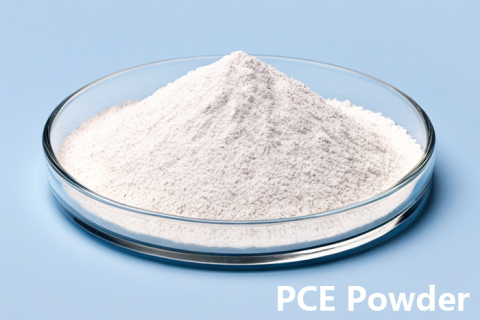
With the continuous progress of modern construction technology, especially the commercialization of ordinary concrete, the construction industry's demand for concrete is not only limited to strength, but also includes environmental protection, durability, and meeting specific project requirements. In this context, polycarboxylate superplasticizers (PCE), as a new type of admixture, have received widespread attention due to their excellent performance.
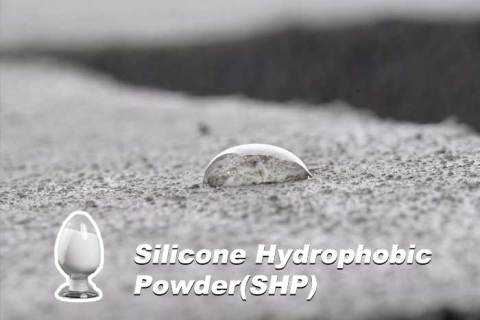
In the construction industry, how to provide long-lasting waterproofing protection for building exteriors and foundations has always been a significant challenge. Traditional waterproofing materials such as coatings and sealants often lose their effectiveness over time when exposed to sunlight, wind, and rain. However, a new type of Silicone Water Repellent Powder material can solve this problem for you.
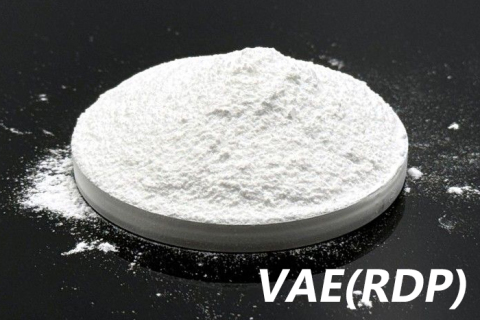
VAE-RDP is a redispersible polymer powder made from a vinyl acetate and ethylene copolymer. It is commonly used in construction materials such as tile adhesives, plasters, and dry-mix mortars to enhance flexibility, adhesion, and water resistance.
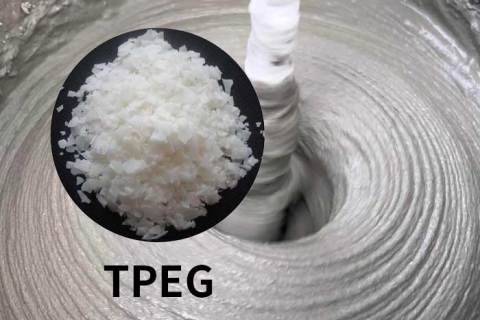
In the construction industry, concrete serves as a fundamental material, and its performance and quality are crucial for the safety and durability of buildings. TPEG Water Reducer Monomer, as a new type of green and eco-friendly material, is bringing revolutionary changes to the construction sector. This article will introduce the characteristics, applications, and advantages of TPEG Water Reducer Monomer in the construction field.
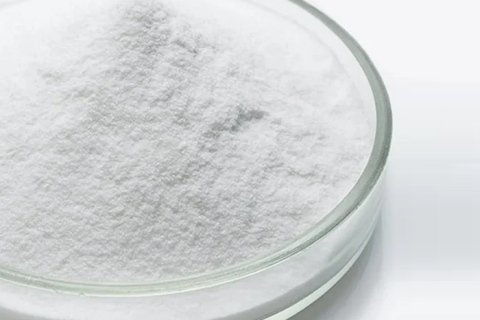
In the modern construction industry, the performance requirements for concrete are becoming increasingly demanding. Achieving a balance between structural strength and construction efficiency has become an essential challenge in building projects. As a highly efficient chemical additive, PCE powder (Polycarboxylate Ether Powder) has become an indispensable part of construction materials, thanks to its remarkable water-reducing properties, improved workability, and enhanced strength.
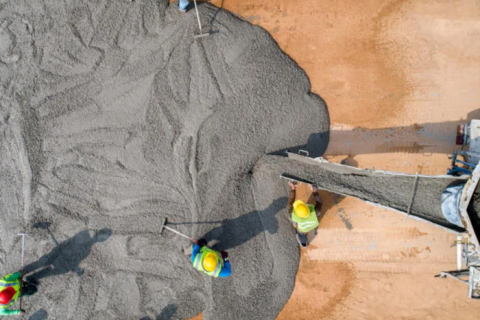
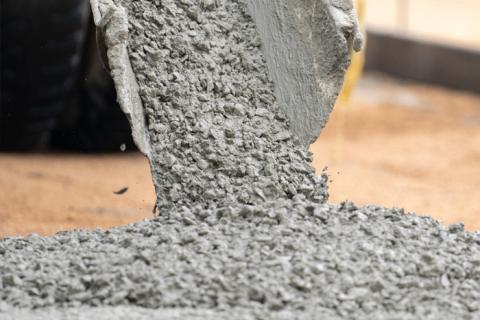
TPEG, as a new type of water reducer monomer, is gradually gaining attention in the construction industry. It possesses excellent water-reducing properties, significantly lowering the water-to-binder ratio of concrete, thereby enhancing its strength and durability.
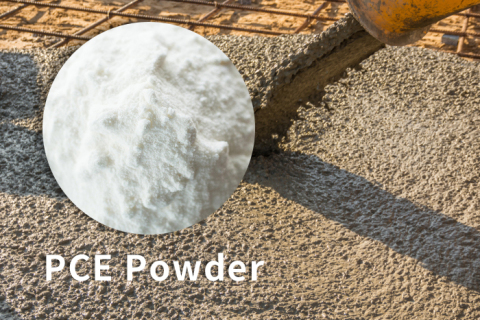
Through our high-quality PCE high-performance water reducer products and professional solutions, we successfully helped Southeast Asian clients (builders) resolve quality instability issues, enhancing their construction efficiency. This collaboration not only solidified our position in the market but also laid a solid foundation for future sustainable development. We look forward to collaborating with more clients to jointly promote innovation and progress in the construction industry.
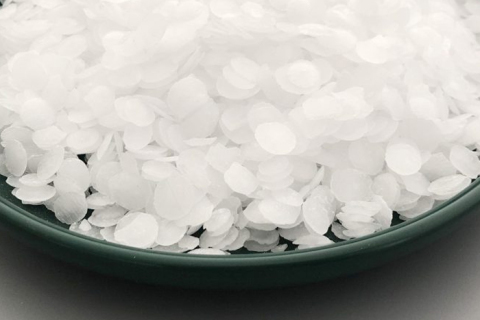
HPEG, or Hydroxy Polyether Glycol, is a versatile chemical compound widely used in the construction industry. It serves as a water-retaining agent, thickener, and stabilizer in various applications.