


Polycarboxylate Superplasticizer Powder CAS 25133-97-5 in Mass Concrete: Heat Control, Crack Prevention, and Structural Integrity
2026-07-27 16:11Mass concrete placements in dam foundations, thick transfer slabs, bridge pile caps, nuclear structure base mats, and deep foundations generate internal heat from cement hydration that standard concrete mix design cannot control without admixture intervention. When the temperature differential between the core and surface of a large concrete placement exceeds 20 to 25 degrees Celsius, thermal tensile stress develops in the cooling outer layer that exceeds the tensile strength of early-age concrete, producing through-cracks that compromise structural integrity and waterproofing performance over the design service life. Polycarboxylate Superplasticizer Powder is the admixture that enables the low cement content, low water-cement ratio mass concrete mix designs that keep thermal gradients within safe limits while maintaining the workability required for large volume placements.
What Is the Thermal Cracking Problem in Mass Concrete
Mass concrete is defined by ACI 207 as any concrete placement where the minimum dimension exceeds one meter and where temperature rise from cement hydration must be controlled. In practice this includes any transfer slab above 600 mm thickness, any pile cap above 1.5 meters, dam and retaining wall sections, and foundation mats for high-rise buildings where multiple pours of several thousand cubic meters are placed in sequence.
The heat generation problem is straightforward: ordinary Portland cement generates 330 to 420 joules per gram of heat during hydration. In a large mass concrete placement where heat cannot dissipate rapidly through the surface, core temperatures rise to 60 to 80 degrees Celsius within the first 24 to 72 hours. The concrete surface, exposed to ambient temperature, remains significantly cooler. This thermal gradient creates differential expansion and contraction that places the cooling outer zone in tension. When tensile stress exceeds the tensile strength of the concrete at that age, thermal cracking occurs.
How PCE Powder for Mass Concrete Controls Thermal Cracking Risk
Cement Content Reduction at Target Strength
The primary mechanism by which Polycarboxylate Superplasticizer Powder controls heat of hydration in mass concrete is cement content reduction. At equivalent compressive strength, a concrete mix using PCE powder at 0.1 to 0.2 percent by weight of cementitious material achieves water-cement ratios of 0.38 to 0.45 that allow cement content reduction of 40 to 80 kilograms per cubic meter compared to unmodified concrete at the same strength grade.
Every kilogram of cement removed from the mix reduces heat generation proportionally. A cement content reduction of 60 kilograms per cubic meter in a 5000 cubic meter foundation mat placement reduces total heat generation by the equivalent of reducing peak core temperature by 4 to 6 degrees Celsius, which can be the difference between a thermal gradient within the safe 20 to 25 degree Celsius limit and one that generates through-cracking.
Supplementary Cementitious Material Compatibility
Mass concrete specifications typically replace 30 to 60 percent of Portland cement with fly ash or ground granulated blast furnace slag to reduce heat of hydration. Fly ash at 40 percent replacement reduces heat generation by approximately 30 percent compared to pure Portland cement mix. Slag at 50 percent replacement reduces heat generation by 40 to 50 percent.
PCE polymer powder with high water reducing rate maintains full dispersing effectiveness in high fly ash and high slag concrete mix designs where second-generation superplasticizers show reduced performance due to reduced calcium ion concentration in the pore solution. For mass concrete mix designs with total supplementary cementitious material replacement above 40 percent, PCE powder is the admixture that makes the combination of low heat and adequate workability simultaneously achievable.
Extended Workability for Large Volume Placements
Mass concrete placements of several thousand cubic meters require continuous concrete delivery over 8 to 24 hours. The last truck load must be workable enough to consolidate against the previously placed concrete without cold joint formation. Standard high water reduction grade PCE powder loses significant workability over this extended placement period.
PCE powder ES409 with slump retention maintains concrete workability for 60 to 90 minutes after mixing through sustained steric hindrance on cement particles, covering the transit and pumping time required for most mass concrete delivery logistics. For placements where workability must be maintained beyond 90 minutes, slump retention grade PCE combined with a controlled-release admixture component provides the extended workability window required without excess water addition that would increase heat generation and reduce strength.
Low Shrinkage and Volume Stability
Mass concrete that develops thermal cracks during the first days after placement is vulnerable to further deterioration from drying shrinkage as the concrete continues to lose moisture over weeks and months. The combination of thermal cracks and drying shrinkage cracks creates interconnected crack networks that allow water and aggressive ion ingress into the structural element.
PCE polycarboxylate ether powder for grouting and dry mortar reduces drying shrinkage by enabling lower water-cement ratios that produce denser concrete microstructure with lower capillary porosity and reduced total moisture loss during drying. Mass concrete formulated with PCE powder at the correct dosage for target strength shows 15 to 25 percent lower drying shrinkage than equivalent strength concrete mixed without water reducing admixture and higher water content.
Key Application Scenarios Across Target Markets
Dam and Water Infrastructure
Dam foundation blocks, spillway slabs, and powerhouse foundations across Southeast Asia and Central Asia represent some of the largest individual mass concrete placements in the construction industry. Regional dam construction programs in Vietnam, Indonesia, Malaysia, and India involve foundation block placements of 3000 to 15000 cubic meters in single continuous pours where thermal management is a primary design and execution challenge. PCE powder enables the low cement content, high fly ash or slag replacement mass concrete mix designs that keep peak temperatures within safe limits while maintaining slump above 150 mm for pump placement over vertical lifts of 30 to 60 meters.
High Rise Foundation Mats
Foundation mats for high-rise buildings above 40 stories typically exceed 2 to 3 meters in thickness and cover floor areas of 1000 to 5000 square meters. In active urban construction markets across Southeast Asia including Ho Chi Minh City, Jakarta, Kuala Lumpur, and Manila, multiple foundation mat pours are underway simultaneously on adjacent project sites. PCE powder for mass concrete at dosages calibrated to the specific cement and supplementary cementitious material combination on each project enables structural engineers to meet thermal specification limits without resorting to expensive liquid nitrogen cooling or extensive pipe cooling systems.
Bridge Pile Caps and Foundations
Bridge pile caps connecting large diameter bored piles to superstructure girders frequently exceed 2 meters in depth and 5 meters in plan dimension. In infrastructure construction programs across Europe, Southeast Asia, and South Asia, pile cap thermal management is a standard specification requirement. PCE powder enables the high fly ash or slag content mix designs that satisfy both thermal and strength specifications, supporting the fast pour schedules required to maintain bridge construction program timelines.
Why EastChem
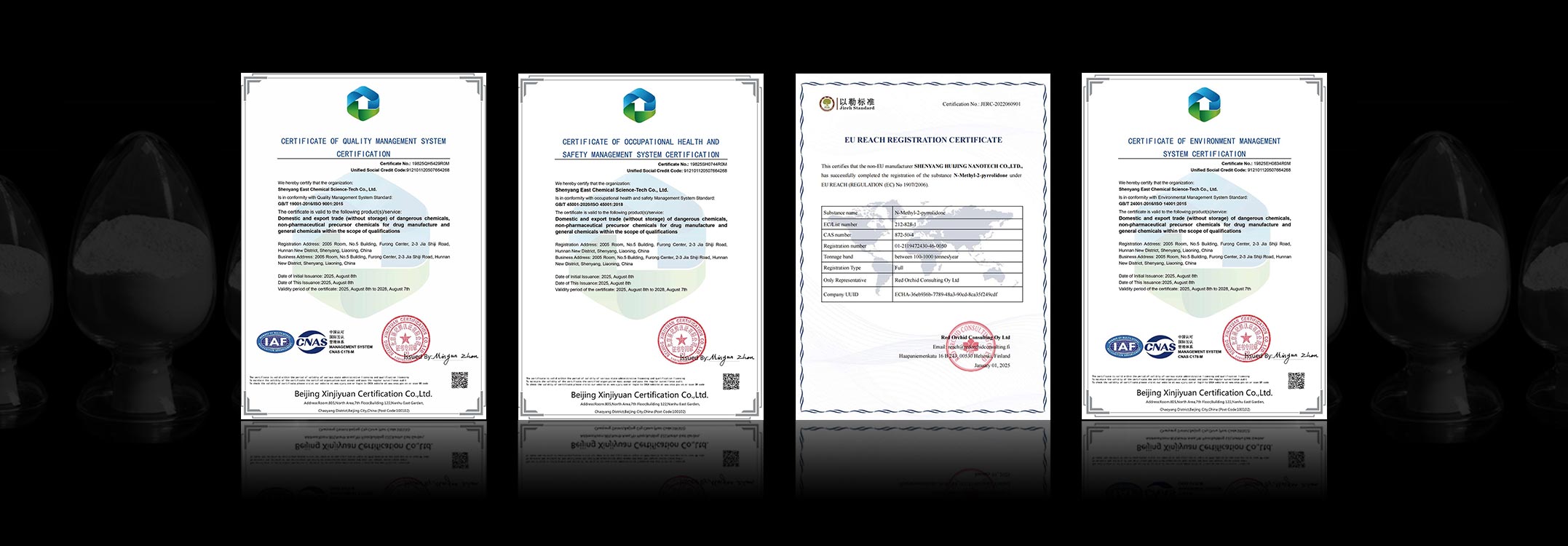
EastChem is a trusted mass concrete water reducer supplier providing Polycarboxylate Superplasticizer Powder CAS 25133-97-5 in high water reduction and slump retention grades to concrete admixture manufacturers, ready-mix producers, and infrastructure contractors across global markets. Our manufacturing is certified under ISO 9001, ISO 14001, and ISO 45001 systems, and our products meet REACH compliance requirements for European market access. Active content above 95 percent is tested and certified on every production batch before shipment.
Contact EastChem today to request a free sample, technical data sheet, or pricing for Polycarboxylate Superplasticizer Powder CAS 25133-97-5 for your mass concrete project or admixture production requirements.
Email: info@eschemy.com
WhatsApp: +86 13504015521
FAQ?
What PCE powder dosage is used in mass concrete with high fly ash content?
For mass concrete with fly ash replacement of 35 to 50 percent of Portland cement, PCE powder dosage of 0.12 to 0.22 percent by weight of total cementitious material typically achieves slump of 150 to 200 mm at water-cement ratios of 0.40 to 0.48. Higher fly ash content reduces pore solution alkalinity, which can reduce PCE dispersing efficiency at very low dosage, so dosage calibration through trial mixing with the specific fly ash and cement combination is recommended before full production.
Can PCE powder be combined with retarding admixtures in mass concrete?
Yes. PCE powder is compatible with standard retarding admixtures based on lignosulfonate, gluconate, and sucrose chemistry. Combining PCE powder with retarder extends both the workability window and the setting time, which is beneficial in mass concrete where slow strength gain reduces the rate of heat generation and allows more time for heat dissipation before the concrete becomes thermally stressed. Contact us for technical guidance on PCE powder and retarder combinations for your specific mass concrete mix design and placement conditions.