


- Home
- >
News
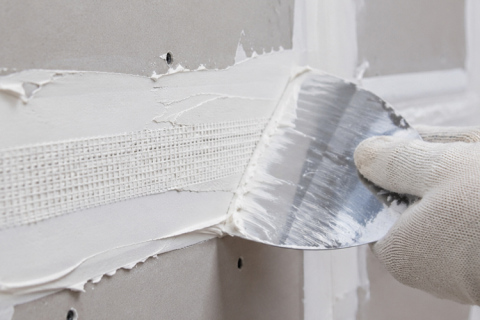
Gypsum board systems are the dominant interior wall and ceiling finishing solution in residential and commercial construction across Europe, Southeast Asia, and the broader Asian market. The performance of a gypsum board installation depends not only on the board and framing system but on the joint compound, skim coat, and finishing mortar that create the smooth, seamless surface required for decoration. Hydroxypropyl Methyl Cellulose is the additive that determines whether these finishing products are workable, crack-resistant, and easy to sand, or whether they crack, shrink, and resist finishing tools in ways that slow installation and increase labor cost per square meter.
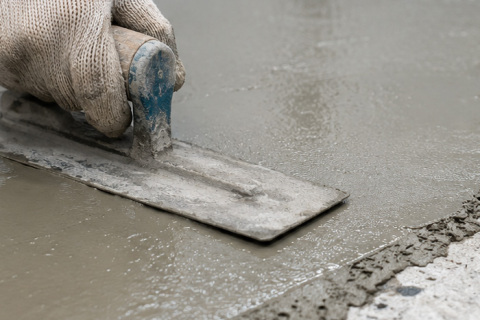
Concrete floor repair mortar that cracks within weeks of application, debonds from the substrate under foot traffic, or shrinks away from repair patch edges is not a material failure in isolation. It is a formulation failure, and in most cases the missing or incorrectly specified ingredient is Hydroxypropyl Methyl Cellulose. For construction chemical producers and dry mix mortar manufacturers developing concrete floor repair products for markets across Southeast Asia, Europe, and Asia, understanding exactly what HPMC does in repair mortar and how to select the correct grade prevents the field failures that generate warranty claims and damage brand reputation.
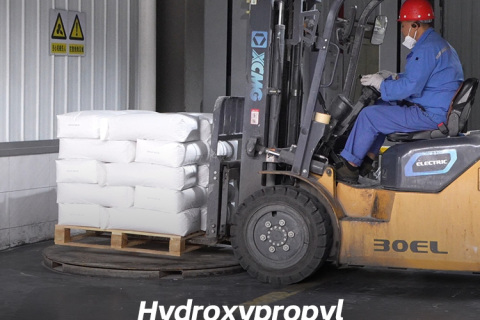
A building materials distributor operating across multiple provinces in Thailand was supplying bagged gypsum plaster products to plastering contractors serving residential and commercial construction projects. Demand for gypsum plaster had grown significantly as developers moved away from traditional cement render for interior wall finishing due to gypsum's faster application speed, smoother surface finish, and lower labor cost per square meter. The distributor had sourced their gypsum plaster from a regional manufacturer for two years without significant problems. That changed during a period of rapid volume growth when the manufacturer switched HPMC supplier to reduce raw material cost.

Cement render that cracks within the first season, falls off facades during heavy rain, or develops uneven texture across a single wall is rarely a problem with the sand or cement ratio. In most cases, the cause is incorrect or insufficient Hydroxypropyl Methyl Cellulose in the render formulation. For dry mix mortar manufacturers and construction chemical producers supplying render products across Southeast Asia, Europe, and the broader Asian market, understanding exactly what HPMC does in render and how to select the correct grade prevents the most common and costly render failures in the field.
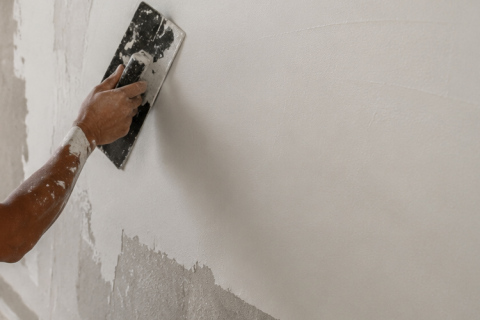
Wall putty is one of the highest-volume dry mix mortar products in residential and commercial construction markets across Southeast Asia, South Asia, and Europe. It is also one of the most competitive, with dozens of local and regional brands competing on price, workability, and surface finish quality. For wall putty manufacturers, the difference between a product that builds contractor loyalty and one that loses market share to a competitor often comes down to a single ingredient: Hydroxypropyl Methyl Cellulose.
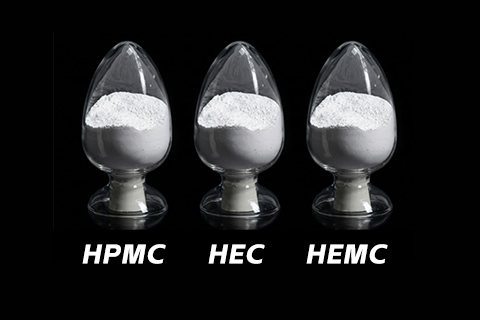
Walk into any dry mix mortar formulation discussion and the same question comes up repeatedly: should this product use HPMC, HEC, or HEMC? All three are cellulose ethers, all three provide water retention and thickening, and all three are sold by suppliers claiming their grade is the best fit. For dry mortar manufacturers and construction chemical formulators across Southeast Asia, Europe, and Asia, choosing the wrong cellulose ether means reformulation, wasted trial batches, and finished products that underperform in the field. This article explains the real chemical differences between Hydroxypropyl Methyl Cellulose, Hydroxyethyl Cellulose, and Hydroxyethyl Methyl Cellulose, and which one fits which application.
A self-leveling compound that bubbles, cracks, or fails to flow evenly across the floor surface is not a minor inconvenience. It means ripping out the entire pour, grinding the substrate, and starting over. For flooring contractors and dry mortar manufacturers across Southeast Asia, Europe, and Asia, the cost of a failed self-leveling pour is measured in wasted material, lost labor, project delays, and damaged customer relationships. In most cases, the failure traces back to one incorrectly specified or inconsistently supplied ingredient: Hydroxypropyl Methyl Cellulose.
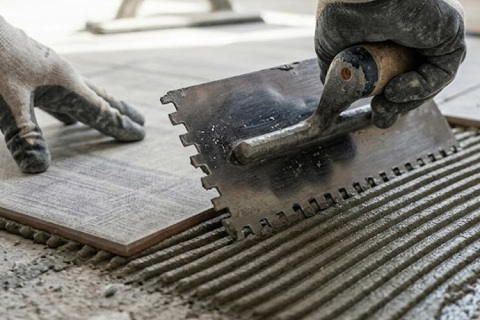
Tiles falling off walls six months after installation. Plaster cracking before the paint even goes on. Mortar that dries out before the worker finishes spreading it. These are not random site accidents. They are predictable failures that trace back to one missing or incorrectly specified ingredient in the dry mix mortar formula: Hydroxypropyl Methyl Cellulose. If your mortar, tile adhesive, or wall plaster is failing on site, this article explains exactly why HPMC powder is the solution and what to look for when sourcing it.
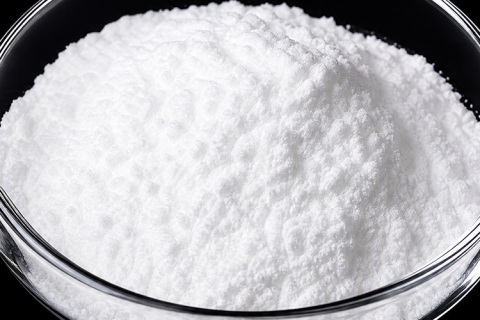
Formulating dry mix mortars that consistently deliver high performance under diverse environmental conditions requires an explicit understanding of additive chemistry. For global formulators and building material distributors, Hydroxypropyl Methyl Cellulose stands as the foundational water retention agent driving the modern dry mix industry. While alternative cellulose ethers exist, the specific structural properties of HPMC construction grade polymers offer balanced open time, sag resistance, and workability that make it indispensable for standard and premium construction applications worldwide.