


- Home
- >
News
For PCE admixture manufacturers supplying precast concrete producers across Southeast Asia, Europe, and Asia, choosing between HPEG monomer and TPEG monomer is not a procurement decision. It is a product development decision that determines whether your admixture meets precast specifications or falls short.
Choosing between HPEG monomer and TPEG monomer is one of the first decisions a polycarboxylate superplasticizer manufacturer makes when setting up or scaling a PCE production line. Both are polyether macromonomers used as polycarboxylate superplasticizer raw material in free radical copolymerization with acrylic acid to produce PCE admixtures. Both deliver high water reduction rates and good slump retention in concrete. But their chemical structures, reactivity profiles, and synthesis behavior differ in ways that directly affect production efficiency, finished PCE performance, and the range of applications your admixture can serve.
If you are producing polycarboxylate superplasticizer and your finished product is inconsistent in water reduction rate, losing slump retention performance, or failing to meet the technical specifications your customers demand, the problem likely starts at the monomer selection stage. VPEG-2400 and HPEG-2400 are the two most widely used polycarboxylate superplasticizer monomer types for PCE synthesis, and understanding the difference between them determines the performance ceiling of every batch of admixture you produce.
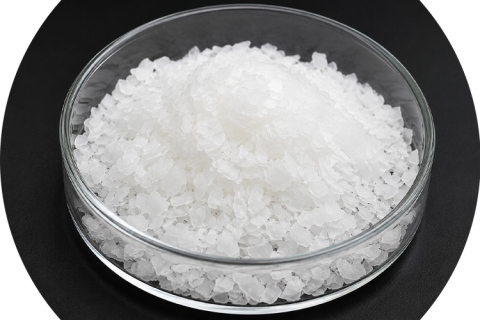
For polycarboxylate superplasticizer producers, the monomer decision is made once per formulation — but its consequences show up in every batch of admixture you produce and every cubic meter of concrete your customers place. TPEG 2400 monomer and HPEG 2400 monomer are the two most widely used polyether macromonomer grades in commercial PCE synthesis globally. They are not interchangeable, and selecting the wrong one for your target application costs more in field performance failures and customer complaints than the price difference between them.
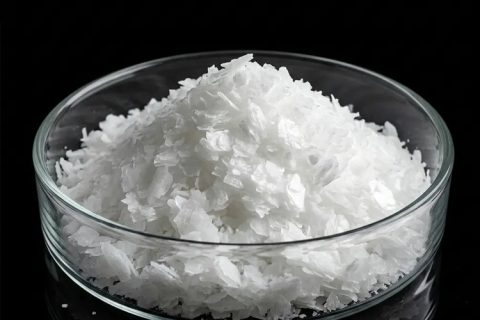
Behind every high-performance polycarboxylate superplasticizer used in modern concrete construction sits a single critical raw material decision: which polyether macromonomer to use, and at what molecular weight. HPEG TPEG monomer selection is the variable that determines the water reduction efficiency, slump retention profile, and cement compatibility of the finished PCE admixture — and it is a decision that most admixture producers revisit every time they enter a new market or encounter a new cement type. This article examines how HPEG and TPEG polyether macromonomer grades perform in real construction admixture applications, and what differentiates a reliable polycarboxylate superplasticizer monomer supplier from one that creates production headaches.
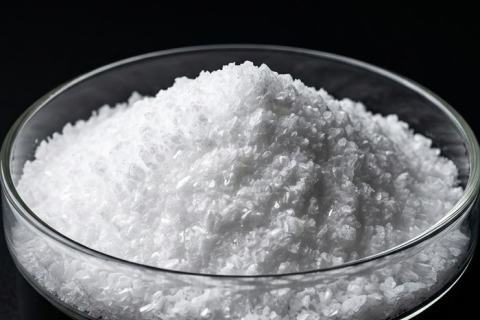
As global construction standards rise, the choice of polycarboxylate superplasticizer raw material has become increasingly critical. At the heart of every high-performance PCE admixture lies the monomer selection — and for formulators worldwide, HPEG monomer for polycarboxylate superplasticizer and TPEG monomer concrete admixture represent the two most widely adopted options available today.
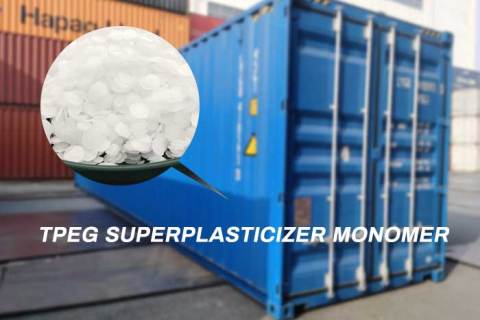
In the construction industry, the performance of concrete directly impacts the quality, lifespan, and cost of buildings. How to enhance the strength, durability, and workability of concrete has always been a focus of the industry. TPEG superplasticizer monomer, as a revolutionary concrete admixture, is bringing innovative solutions to the construction sector with its outstanding performance.
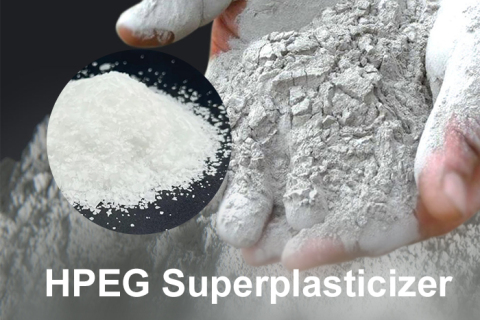
As a key component in modern concrete admixtures, Polycarboxylate Superplasticizer Monomer HPEG is widely used to enhance concrete performance. However, its application comes with specific challenges. Below, we address some frequently asked questions to help optimize its use.
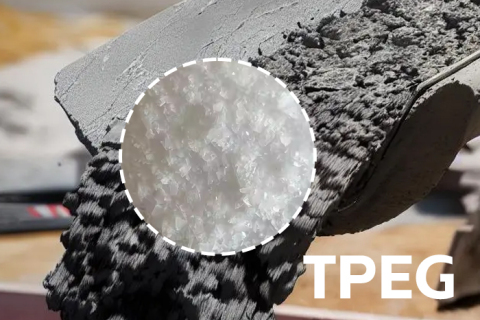
TPEG (Polyether High-Efficiency Water Reducing Agent Monomer) is a new type of water-reducing agent widely used in the construction industry, particularly in the production and application of concrete. TPEG enhances its water-reducing performance and fluidity through chemical modification, making it an essential component of modern concrete technology.
With the development of the modern construction industry, concrete technology continues to advance. Among them, HPEG as a new type of high-efficiency water-reducing agent, has attracted widespread attention due to its unique performance and environmental protection characteristics. This article will explore the use of polycarboxylate superplasticizer monomers in the construction industry and the benefits they bring.
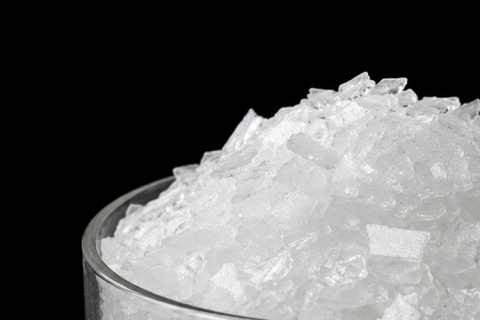
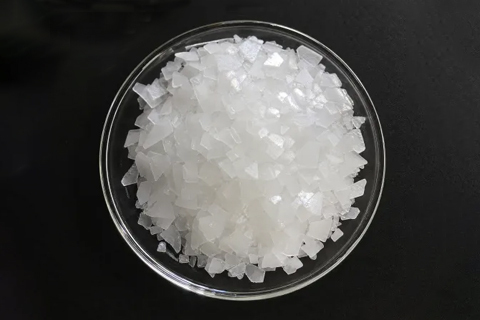
HPEG adopts highly active catalyst and special synthesis process, with light appearance, accurate molecular weight, white appearance, narrow molecular weight distribution, low glycol content and high double bond retention.
In modern construction projects, concrete is a widely used building material, and its performance directly affects the quality and durability of the project. With the advancement of science and technology, the research and development of concrete additives has become a key way to improve the performance of concrete. Among them, HPEG Polycarboxylate superplasticizer monomer has become a major innovative breakthrough in the field of concrete technology in recent years with its excellent water-reducing performance and the characteristics of improving concrete workability.