


- Home
- >
News
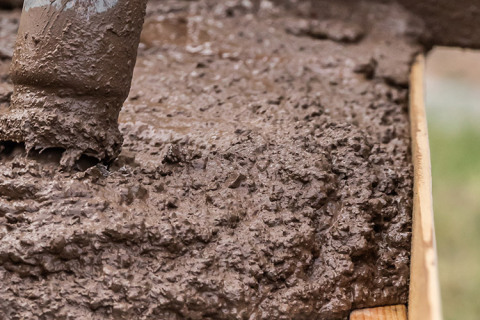
Lithium Carbonate, carrying CAS number 554-13-2, is an inorganic lithium salt with the chemical formula Li2CO3. In construction chemistry, it functions as a lithium carbonate cement accelerator by speeding up the hydration reaction between cement and water, promoting early formation of calcium silicate hydrate phases that give cementitious systems their strength. The result is faster setting time, higher early compressive strength, and shorter waiting time before a repaired or newly placed surface can return to service.
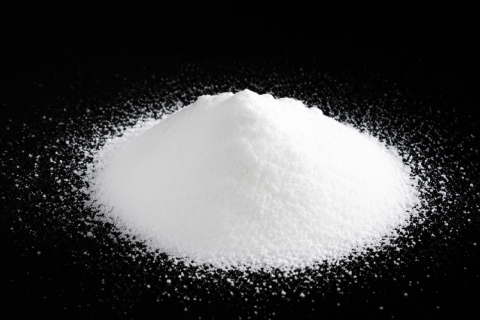
Repair mortar that cracks within weeks of application, loses bond to the substrate under vibration, or shrinks away from the edges of a repair patch is not a minor quality issue. It means rework, warranty claims, and loss of repeat business. For dry mix mortar manufacturers and construction chemical producers across Southeast Asia, Europe, and Asia, these failures consistently trace back to one missing or incorrectly dosed ingredient: Redispersible Polymer Powder.
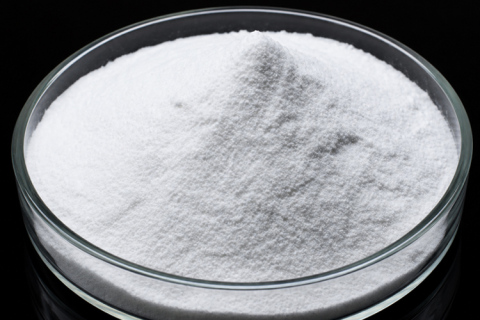
Redispersible Polymer Powder, known as RDP powder with CAS number 24937-78-8, is a spray-dried vinyl acetate-ethylene copolymer that redissolves in water during mixing and forms a flexible polymer film inside hardened mortar. In EIFS base coat and finish coat render, RDP powder is the additive that prevents cracking under thermal movement and provides the bond strength required for mesh-reinforced systems on exterior insulation boards.
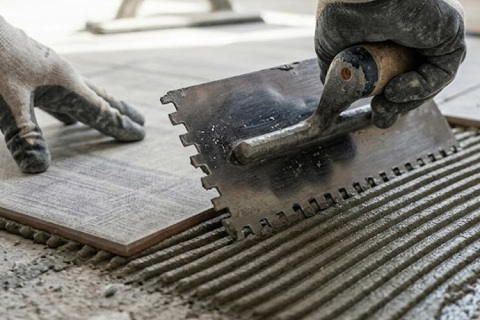
Tiles falling off walls six months after installation. Plaster cracking before the paint even goes on. Mortar that dries out before the worker finishes spreading it. These are not random site accidents. They are predictable failures that trace back to one missing or incorrectly specified ingredient in the dry mix mortar formula: Hydroxypropyl Methyl Cellulose. If your mortar, tile adhesive, or wall plaster is failing on site, this article explains exactly why HPMC powder is the solution and what to look for when sourcing it.
This article explores how these three additives function individually, how they interact within a mortar system, and why their combined use delivers results that no single component can achieve alone.
Redispersible Polymer Powder (RDP) is widely used in modern dry mix mortar and tile adhesive formulations. As a key construction additive, RDP powder improves adhesion, flexibility, crack resistance, and durability in cement-based building materials.
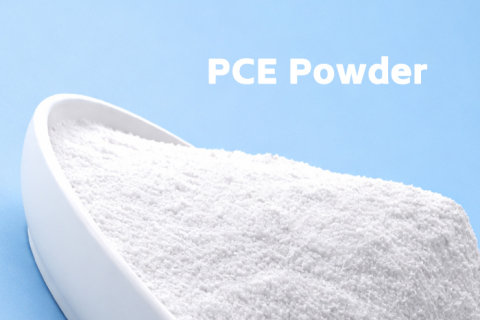
This material is shifting from a supporting additive to a core structural component in Dry Mix Mortar Additives systems.
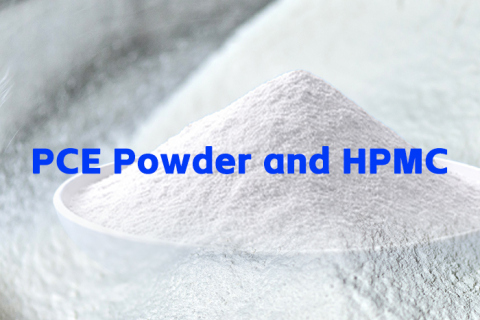
In today’s construction industry, the demand for high-performance dry mix mortar continues to increase. Contractors expect better strength, improved workability, enhanced durability, and cost-efficient formulations. To achieve these goals, manufacturers rely heavily on optimized Dry Mix Mortar Additives, especially the combination of PCE Powder (Polycarboxylate Superplasticizer Powder) and HPMC (Hydroxypropyl Methyl Cellulose).
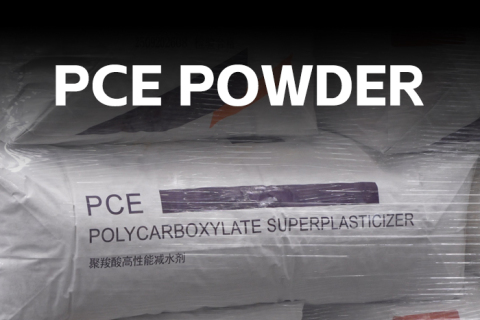
Polycarboxylate Superplasticizer Powder (PCE Powder) is a new-generation water-reducing agent developed for high-performance dry-mix mortar applications such as self-leveling compounds, tile adhesives, grouts, and repair mortars.
HPMC is more than just a water retainer. It's a versatile polymer boosting efficiency and quality in your projects.
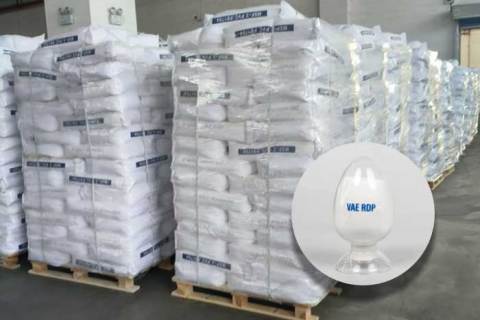
Forget focusing solely on steel and concrete! Behind the scenes of modern construction, a crucial material is quietly playing a significant role: PCE Powder (Polycarboxylate Ether Superplasticizer). It may not be as visually prominent as concrete or as robust as steel, but with its unique "invisible strength," PCE Powder empowers construction with limitless possibilities and achieves superior quality.
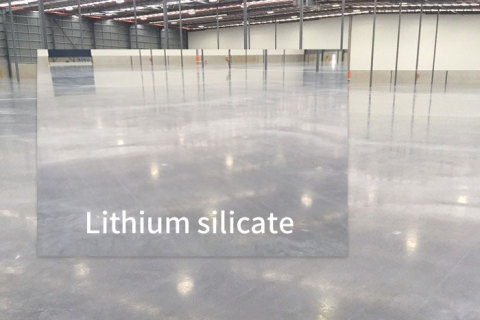
Lithium silicate, as a high-performance inorganic additive, demonstrates exceptional capabilities in optimizing the properties of ready-mixed mortar. With outstanding chemical stability and multifunctionality, it is widely used in the construction industry, ensuring improved mortar performance and superior construction quality.