


- Home
- >
News
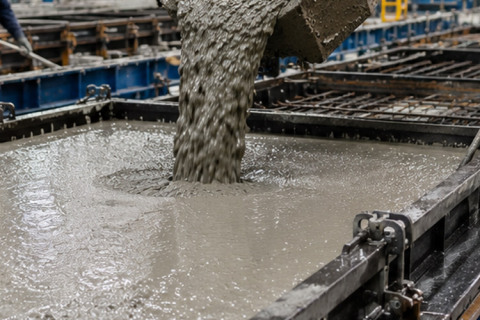
For PCE admixture manufacturers supplying precast concrete producers across Southeast Asia, Europe, and Asia, choosing between HPEG monomer and TPEG monomer is not a procurement decision. It is a product development decision that determines whether your admixture meets precast specifications or falls short.
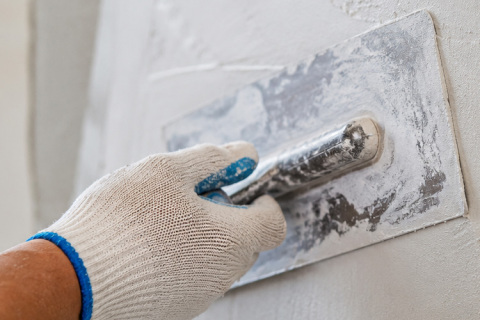
Gypsum based mortar systems present a different set of performance challenges compared to cement based systems. Gypsum sets faster, has lower tensile strength, and is more sensitive to moisture than Portland cement. These characteristics make polymer modification with VAE Redispersible Polymer Powder not just beneficial but necessary in gypsum plaster, gypsum self-leveling compound, and gypsum tile adhesive formulations where bond strength, crack resistance, and surface hardness are performance requirements that unmodified gypsum cannot meet alone.

Cement render that cracks within the first season, falls off facades during heavy rain, or develops uneven texture across a single wall is rarely a problem with the sand or cement ratio. In most cases, the cause is incorrect or insufficient Hydroxypropyl Methyl Cellulose in the render formulation. For dry mix mortar manufacturers and construction chemical producers supplying render products across Southeast Asia, Europe, and the broader Asian market, understanding exactly what HPMC does in render and how to select the correct grade prevents the most common and costly render failures in the field.
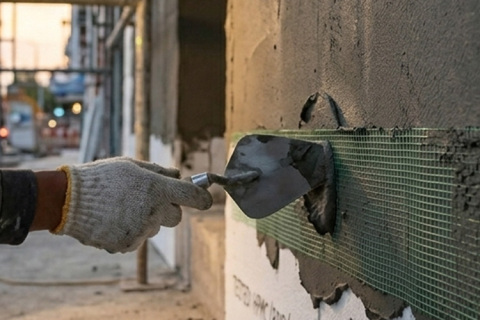
A well-performing EIFS base coat mortar depends on three additives working as a system. Hydroxypropyl Methyl Cellulose provides water retention and workability. Redispersible Polymer Powder provides flexibility and bond strength to insulation boards. Polycarboxylate Superplasticizer reduces water demand and improves application consistency. The HPMC RDP and PCE admixture combination is what separates a high-performance EIFS base coat from one that cracks, debonds, or fails under thermal cycling within the first year of service. When any one of the three is missing or incorrectly specified, the entire system underperforms in ways that are difficult to diagnose without understanding how the three components interact.
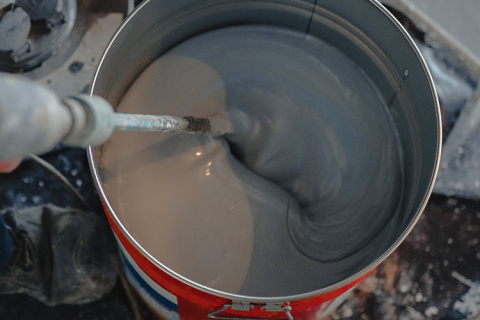
For dry mix mortar manufacturers across Southeast Asia, South Asia, and Europe, batch-to-batch consistency determines customer retention and brand reputation. When mortar performance varies without any change to the formulation, the root cause is almost always one ingredient: Polycarboxylate Superplasticizer Powder. This article covers the four most common dry mortar production problems caused by inconsistent PCE powder and how selecting the right grade eliminates them.

Wall putty is one of the highest-volume dry mix mortar products in residential and commercial construction markets across Southeast Asia, South Asia, and Europe. It is also one of the most competitive, with dozens of local and regional brands competing on price, workability, and surface finish quality. For wall putty manufacturers, the difference between a product that builds contractor loyalty and one that loses market share to a competitor often comes down to a single ingredient: Hydroxypropyl Methyl Cellulose.
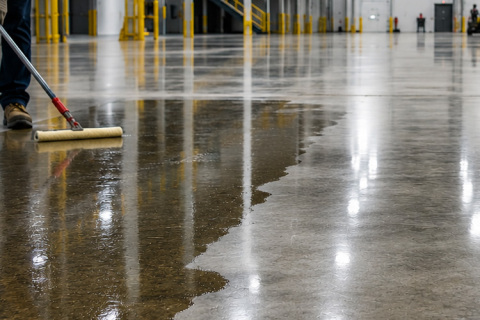
Not all Lithium Silicate grades perform the same on concrete floors. This guide covers how to select the right solid content, silica-to-lithia ratio, and particle size for your specific application, whether you are treating new industrial floors, producing polished concrete, or hardening old dense substrates. Includes a grade comparison table and application rate guide. EastChem supplies Lithium Silicate CAS 10102-24-6 in standard and colloidal grades with full technical support.

A road repair that lasts three months is not a repair. It is a recurring cost. For highway maintenance contractors, municipal road authorities, and infrastructure operators across Southeast Asia, Europe, and Asia, the cycle of patching the same pothole or joint failure every season is one of the most persistent operational problems in pavement maintenance. The patch material cures too slowly, cannot open to traffic before it reaches adequate strength, shrinks away from the existing pavement at the edges, or simply cannot withstand the repeated dynamic loading of heavy vehicles before failing again.
Buying the wrong grade of VAE Redispersible Polymer Powder is one of the most common and costly formulation mistakes in dry mix mortar production. The finished mortar passes lab testing, goes into production, reaches the customer, and then fails on site in ways that are difficult to trace back to the admixture. Tiles debond after six months. Render cracks in the first winter. Self-leveling compound delaminates under foot traffic. In most cases, the root cause is not the formulation dosage but the RDP powder grade: wrong glass transition temperature, wrong ash content range, wrong hydrophobicity level, or wrong flexibility class for the application. This guide explains how to select RDP powder grades systematically so that your mortar performs as designed from the first production batch.
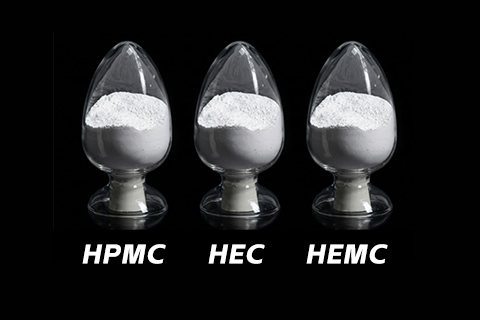
Walk into any dry mix mortar formulation discussion and the same question comes up repeatedly: should this product use HPMC, HEC, or HEMC? All three are cellulose ethers, all three provide water retention and thickening, and all three are sold by suppliers claiming their grade is the best fit. For dry mortar manufacturers and construction chemical formulators across Southeast Asia, Europe, and Asia, choosing the wrong cellulose ether means reformulation, wasted trial batches, and finished products that underperform in the field. This article explains the real chemical differences between Hydroxypropyl Methyl Cellulose, Hydroxyethyl Cellulose, and Hydroxyethyl Methyl Cellulose, and which one fits which application.
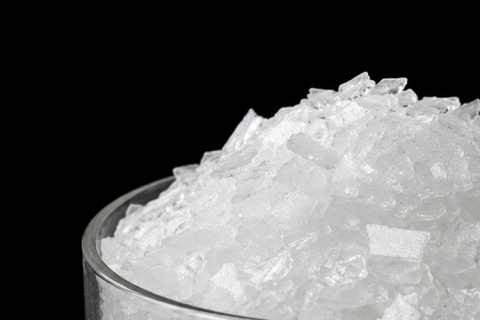
Choosing between HPEG monomer and TPEG monomer is one of the first decisions a polycarboxylate superplasticizer manufacturer makes when setting up or scaling a PCE production line. Both are polyether macromonomers used as polycarboxylate superplasticizer raw material in free radical copolymerization with acrylic acid to produce PCE admixtures. Both deliver high water reduction rates and good slump retention in concrete. But their chemical structures, reactivity profiles, and synthesis behavior differ in ways that directly affect production efficiency, finished PCE performance, and the range of applications your admixture can serve.
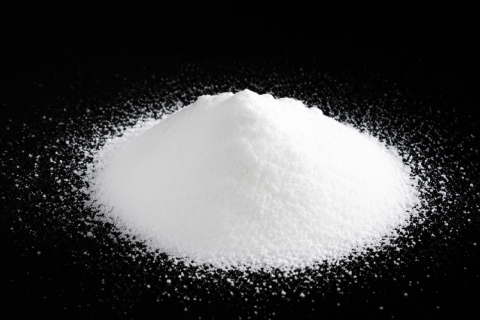
Repair mortar that cracks within weeks of application, loses bond to the substrate under vibration, or shrinks away from the edges of a repair patch is not a minor quality issue. It means rework, warranty claims, and loss of repeat business. For dry mix mortar manufacturers and construction chemical producers across Southeast Asia, Europe, and Asia, these failures consistently trace back to one missing or incorrectly dosed ingredient: Redispersible Polymer Powder.