


- Home
- >
News
Underwater concrete placement is one of the most unforgiving applications in construction. Concrete placed through a tremie pipe into a water-filled cofferdam, foundation pit, or marine structure cannot be vibrated, cannot be inspected during placement, and cannot be remediated if it segregates or loses workability before the pour is complete. The admixture has to work correctly the first time, under conditions — hydrostatic pressure, water contact, extended placement time — that expose every weakness in a mix design.
Self-compacting concrete is one of the most technically demanding mix designs in modern construction. It must flow freely under its own weight to fill complex formwork and pass through congested reinforcement without vibration — while simultaneously resisting segregation and bleeding that would compromise the homogeneity of the hardened structure. These two requirements pull in opposite directions, and balancing them demands an admixture with precision-engineered dispersing characteristics that standard superplasticizers cannot reliably deliver.
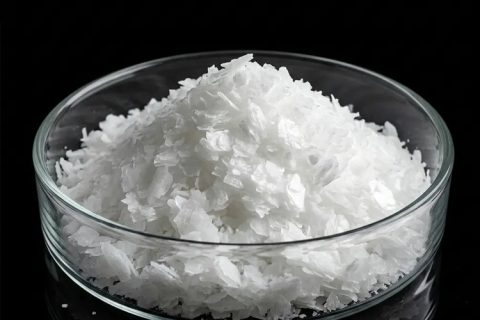
Behind every high-performance polycarboxylate superplasticizer used in modern concrete construction sits a single critical raw material decision: which polyether macromonomer to use, and at what molecular weight. HPEG TPEG monomer selection is the variable that determines the water reduction efficiency, slump retention profile, and cement compatibility of the finished PCE admixture — and it is a decision that most admixture producers revisit every time they enter a new market or encounter a new cement type. This article examines how HPEG and TPEG polyether macromonomer grades perform in real construction admixture applications, and what differentiates a reliable polycarboxylate superplasticizer monomer supplier from one that creates production headaches.
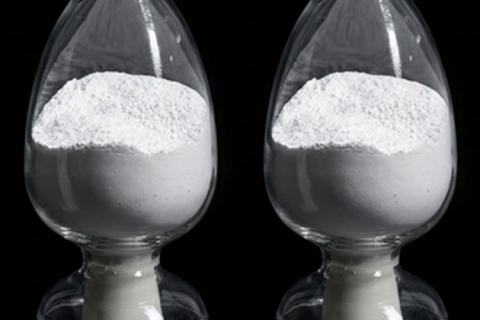
Precast concrete production operates on a fundamentally different logic from site-cast construction. The entire business model depends on rapid mold turnover — stripping forms early, cycling molds multiple times per day, and maintaining dimensional consistency across hundreds of identical elements. Every hour saved between casting and stripping is an hour of additional production capacity. In this environment, PCE superplasticizer powder is not simply a workability aid. It is a production efficiency tool that directly determines how many cycles a precast plant can run per shift.
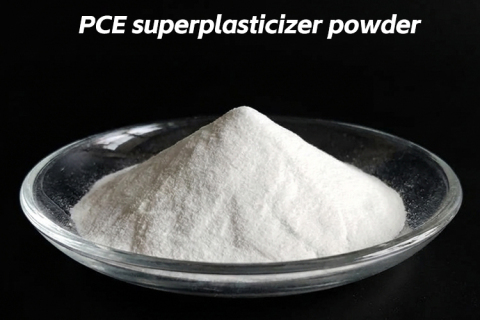
High-strength concrete is not simply regular concrete with more cement. It is a precision-engineered material where every component — cement type, aggregate grading, supplementary cementitious materials, and admixture selection — must work together to achieve compressive strengths above 60 MPa while maintaining the workability required for placement and consolidation. In this context, PCE superplasticizer powder is not an optional performance enhancer. It is the admixture that makes high-strength concrete practically achievable at commercial scale.
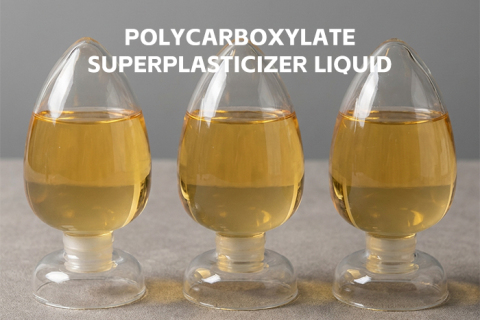
In ready-mix concrete production, consistency is everything. A batch plant running twenty to thirty trucks a day cannot afford admixture performance that varies with temperature, cement source, or operator technique. Polycarboxylate Superplasticizer Liquid is the admixture format that ready-mix operations worldwide have standardized on — and for good reason. Its high water reduction efficiency, precise dosing characteristics, and immediate dispersing action make PCE liquid superplasticizer the benchmark admixture for modern concrete production.
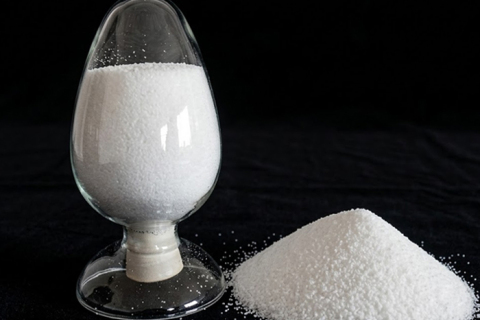
In high-rise construction, concrete pumping failure is one of the most costly and disruptive problems a site team can face. Blocked pump lines, excessive pumping pressure, and rapid slump loss between the batching plant and the point of placement cause project delays, material waste, and structural quality risks that are difficult to recover from once the pour has started.
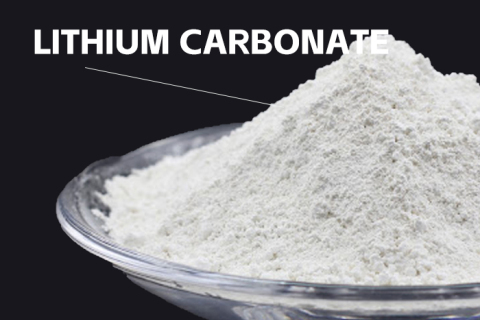
Lithium carbonate concrete accelerator has become the preferred choice for demanding shotcrete applications worldwide. Its ability to catalyze early cement hydration, control setting time with precision, and enhance microstructural density makes it the additive of choice for engineers and contractors operating in tunnels, mines, and underground infrastructure projects.
This article explores how these three additives function individually, how they interact within a mortar system, and why their combined use delivers results that no single component can achieve alone.
As global construction standards rise, the choice of polycarboxylate superplasticizer raw material has become increasingly critical. At the heart of every high-performance PCE admixture lies the monomer selection — and for formulators worldwide, HPEG monomer for polycarboxylate superplasticizer and TPEG monomer concrete admixture represent the two most widely adopted options available today.
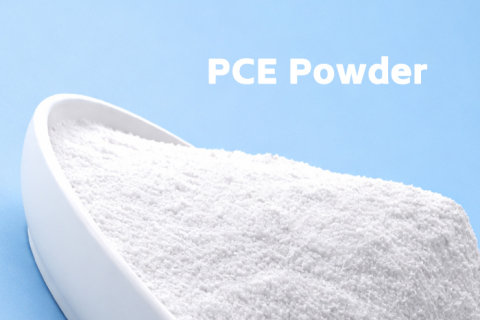
This material is shifting from a supporting additive to a core structural component in Dry Mix Mortar Additives systems.
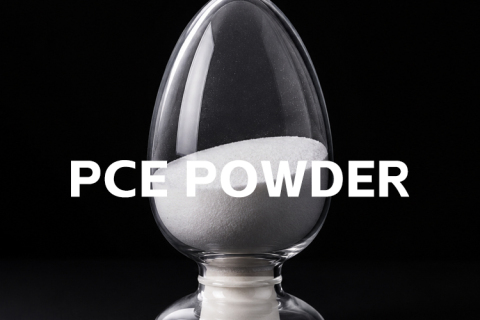
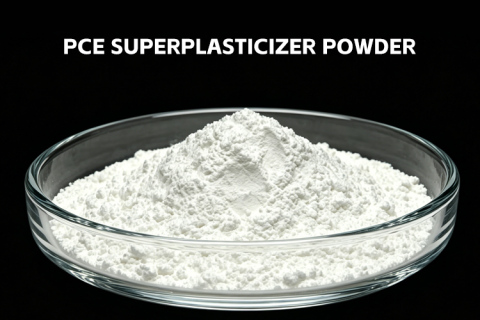
In modern dry mix mortar and construction systems, a single additive is no longer enough to meet performance demands. The combination of Polycarboxylate Superplasticizer Powder (PCE Powder), Redispersible Polymer Powder (RDP), and Hydroxypropyl Methyl Cellulose HPMC creates a balanced formulation that improves strength, workability, and durability. Among these additives, PCE Powder for Dry Mix Mortar plays the core role in water reduction and strength development.