


- Home
- >
News
A road repair that lasts three months is not a repair. It is a recurring cost. For highway maintenance contractors, municipal road authorities, and infrastructure operators across Southeast Asia, Europe, and Asia, the cycle of patching the same pothole or joint failure every season is one of the most persistent operational problems in pavement maintenance. The patch material cures too slowly, cannot open to traffic before it reaches adequate strength, shrinks away from the existing pavement at the edges, or simply cannot withstand the repeated dynamic loading of heavy vehicles before failing again.
When a concrete structure needs to return to service in hours rather than days, standard Portland cement is the wrong material. It cannot reach structural strength in under 24 hours. It cannot harden at sub-zero temperatures. It cannot bond reliably to existing concrete at the tensile strength levels required for structural repair. Magnesium Phosphate Cement solves all three of these limitations simultaneously, making it the standard rapid hardening repair material for infrastructure, industrial, and cold-climate construction applications worldwide.
When a runway needs to reopen in two hours. When a highway repair cannot wait for a three-day cure. When a bridge expansion joint fails in the middle of winter at minus 15 degrees Celsius. Standard Portland cement-based repair mortars cannot meet these demands. Setting time measured in hours, cure time measured in days, and complete inability to harden in freezing temperatures make conventional repair materials the wrong tool for emergency and time-critical infrastructure repair.
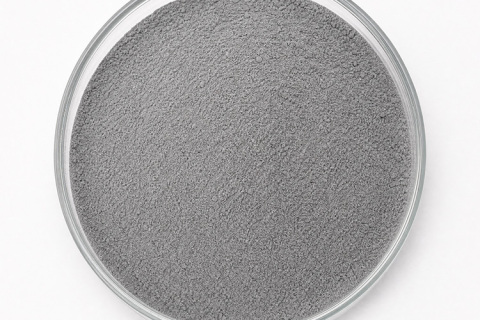
In high-stakes infrastructure maintenance, time is the ultimate currency. Whether managing a bustling commercial airport, a high-traffic highway, or a massive cold-storage logistics center, shutting down operations for concrete maintenance is an expensive nightmare. Standard concrete requires days, if not weeks, to fully cure, leading to costly operational downtime, traffic congestion, and missed deadlines. If you are a general contractor, a municipal procurement manager, or an engineering consultant searching for a premium material that eliminates downtime, Magnesium Phosphate Cement (MPC) is the definitive answer.
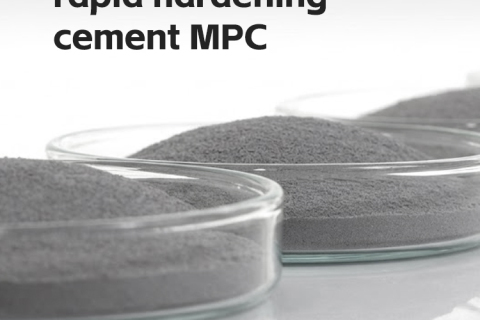
Industrial floors fail under conditions that standard repair materials cannot handle. A food processing facility running three shifts cannot close a production line for 48 hours while Portland cement cures. A cold storage warehouse cannot maintain the above-zero temperatures that conventional repair mortars require to develop strength. A pharmaceutical plant cannot tolerate the surface dusting and shrinkage cracking that accompany fast-set Portland systems in critical hygiene zones.
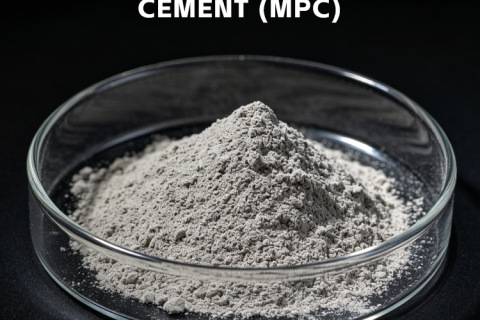
Every hour a runway is closed costs an airport money it cannot recover. Diverted flights, delayed departures, ground crew overtime, and airline compensation claims accumulate quickly once a closure extends beyond the minimum maintenance window. For airport pavement engineers, the repair material decision is not purely technical — it is an operational and financial calculation where time-to-reopening carries a direct cost that must be weighed against material performance and durability.
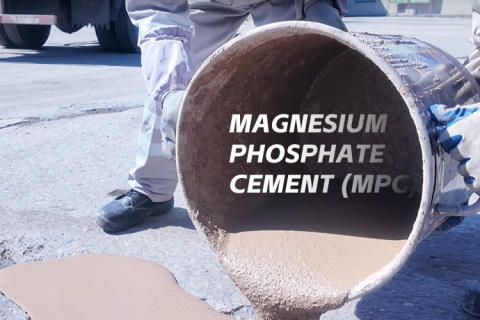
When a section of airport runway, highway interchange, or industrial floor requires emergency repair, ordinary Portland cement is not an option. Its minimum 24-hour strength development cycle means closing a critical asset for a full day or more — a cost that frequently exceeds the repair cost itself. Magnesium Phosphate Cement was developed precisely for these situations. Its rapid hardening chemistry delivers structural strength within hours, not days, without the shrinkage cracking and durability trade-offs that define conventional fast-setting alternatives.
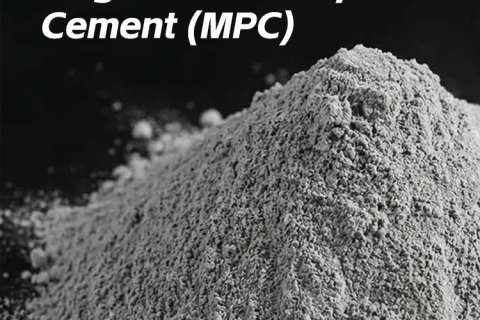
In modern infrastructure maintenance, the biggest challenge is not how to repair concrete, but how quickly the repaired structure can return to service. Traditional repair materials often require 24–72 hours before reopening, which creates delays, traffic disruption, and increased operational costs. For projects such as highways, airport runways, and industrial floors, this downtime is often unacceptable. At the same time, in cold environments, ordinary cement-based materials show slow strength development or fail to perform below 5°C. Because of these limitations, contractors and material suppliers are increasingly turning to Magnesium Phosphate Cement as a high-performance fast setting concrete repair material.
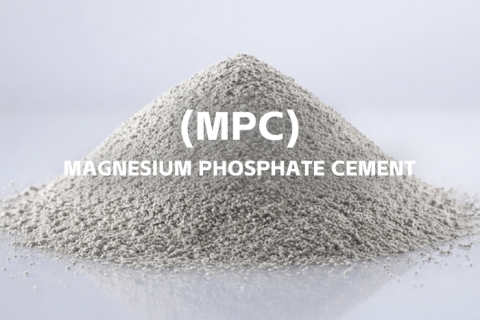
If you are searching for magnesium phosphate cement for sale that can harden in 1 hour and bond to old concrete without a primer, you have come to the right place. Our MPC rapid repair mortar is specifically designed for airport runways, highways, and railway sleepers – it reaches ≥30 MPa in just 1 hour and allows traffic to reopen within 3 hours.
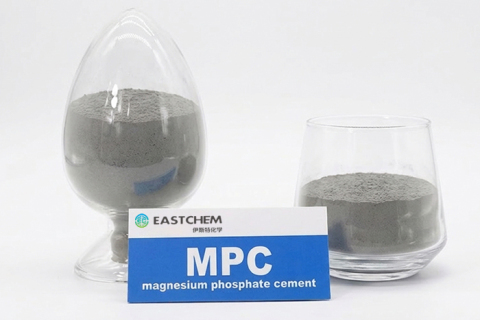
Most concrete repair jobs don't fail because of bad workmanship. They fail because the material wasn't built for the conditions. Standard cement takes days to cure. The job site can't wait days. So contractors patch it, reopen it too early, and watch it deteriorate in three months. Then they do it again. It's not a workmanship problem — it's a materials problem.