


- Home
- >
News
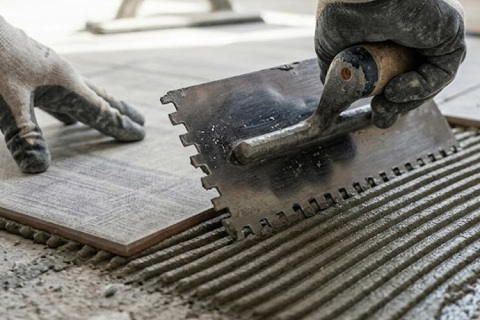
Tiles falling off walls six months after installation. Plaster cracking before the paint even goes on. Mortar that dries out before the worker finishes spreading it. These are not random site accidents. They are predictable failures that trace back to one missing or incorrectly specified ingredient in the dry mix mortar formula: Hydroxypropyl Methyl Cellulose. If your mortar, tile adhesive, or wall plaster is failing on site, this article explains exactly why HPMC powder is the solution and what to look for when sourcing it.
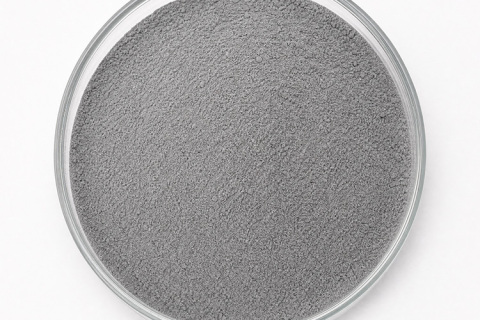
In high-stakes infrastructure maintenance, time is the ultimate currency. Whether managing a bustling commercial airport, a high-traffic highway, or a massive cold-storage logistics center, shutting down operations for concrete maintenance is an expensive nightmare. Standard concrete requires days, if not weeks, to fully cure, leading to costly operational downtime, traffic congestion, and missed deadlines. If you are a general contractor, a municipal procurement manager, or an engineering consultant searching for a premium material that eliminates downtime, Magnesium Phosphate Cement (MPC) is the definitive answer.
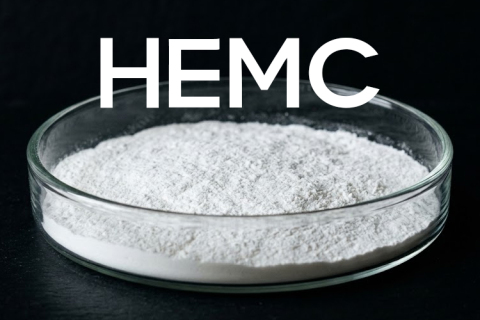
If you are formulating dry mix mortar for markets where summer ambient temperatures regularly exceed 35°C — and you have been using HPMC cellulose ether as your standard water retention agent — there is a performance argument for HEMC that most formulators have not fully evaluated.
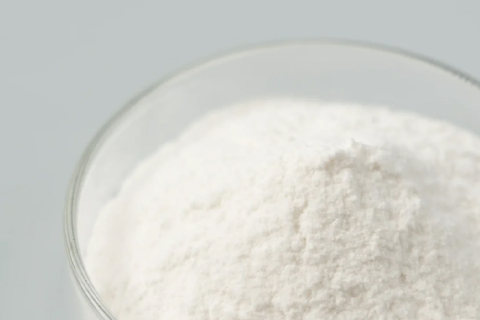
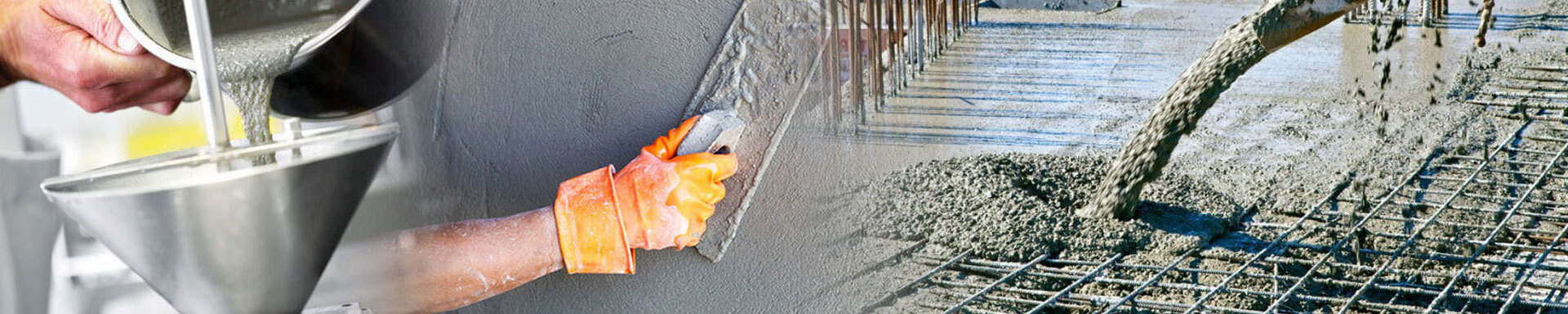
In modern construction projects, mortar failure remains one of the most frequent and frustrating problems. From tile debonding and hollowing to cracked plaster and poor workability, these issues lead to costly rework, project delays, and damaged reputations. As construction standards rise — especially in hot climates like the Middle East, Southeast Asia, and Africa — traditional cement mortar often falls short. Common on-site problems include:
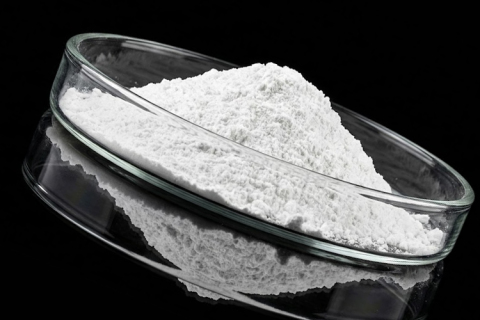
As a leading manufacturer of construction-grade cellulose ethers, we provide premium Hydroxypropyl Methyl Cellulose (HPMC) specifically designed for dry-mix mortar, tile installation, floor leveling, external insulation, and gypsum plaster systems. Our HPMC powder delivers consistent viscosity, outstanding water retention, and excellent workability — solving real problems on job sites around the world.
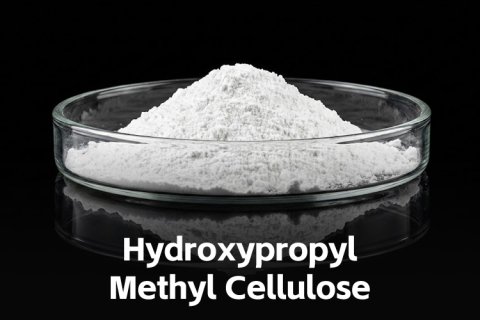
If you are manufacturing tile adhesive for markets where summer temperatures exceed 35°C, and your contractors are reporting open time complaints, tile slippage, or adhesion failures on large-format installations — the problem is almost certainly your HPMC specification. Not your cement content. Not your aggregate grading. Your HPMC. This article explains why, and what the correct specification looks like.
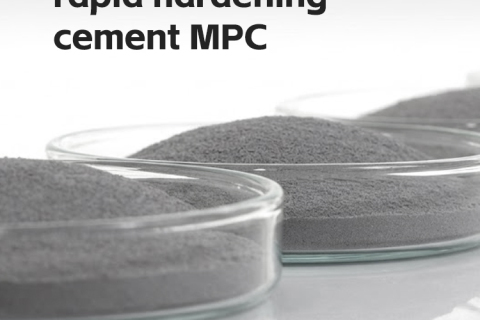
Industrial floors fail under conditions that standard repair materials cannot handle. A food processing facility running three shifts cannot close a production line for 48 hours while Portland cement cures. A cold storage warehouse cannot maintain the above-zero temperatures that conventional repair mortars require to develop strength. A pharmaceutical plant cannot tolerate the surface dusting and shrinkage cracking that accompany fast-set Portland systems in critical hygiene zones.
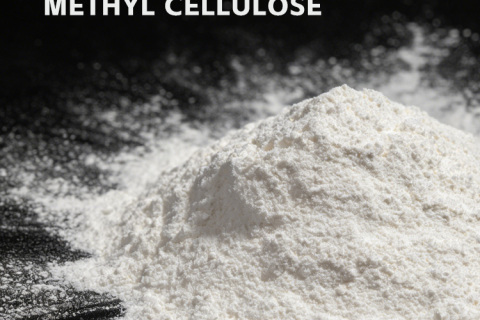
Self-leveling compound is one of the few dry mix mortar products where getting the HPMC specification wrong produces an immediate, visible failure — not one that takes months to appear. Too much viscosity and the compound does not self-level. Too little and it flows but bleeds, segregates, and produces a weak, dusty surface. The margin between these two failure modes is narrow, and Hydroxypropyl Methyl Cellulose is the additive that defines where that margin sits.
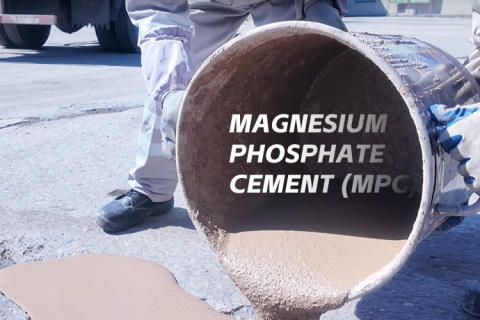
When a section of airport runway, highway interchange, or industrial floor requires emergency repair, ordinary Portland cement is not an option. Its minimum 24-hour strength development cycle means closing a critical asset for a full day or more — a cost that frequently exceeds the repair cost itself. Magnesium Phosphate Cement was developed precisely for these situations. Its rapid hardening chemistry delivers structural strength within hours, not days, without the shrinkage cracking and durability trade-offs that define conventional fast-setting alternatives.
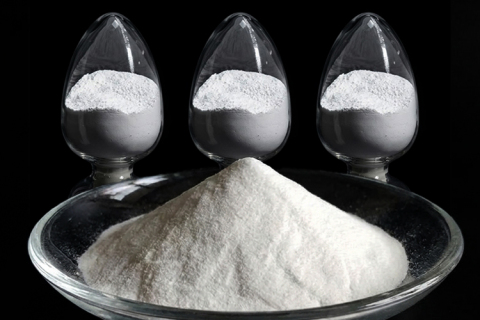
In dry mix mortar production, most performance problems are invisible until they appear on a construction site. Cracking that shows up three weeks after application. Tiles that delaminate six months after installation. Render that dusts off under finger pressure. These failures rarely trace back to cement quality or aggregate grading. In the majority of cases, they trace back to HPMC cellulose ether — either the wrong grade, the wrong dosage, or an inconsistent supply that performed differently batch to batch without anyone catching it at the production stage.
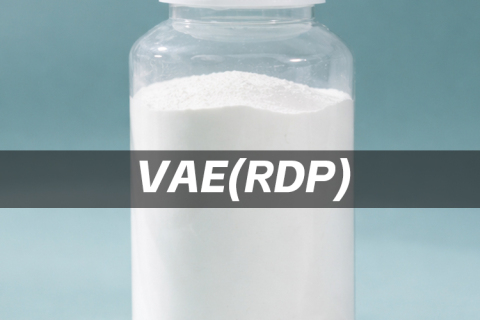
Self-leveling compound is one of the most technically demanding products in the dry mix mortar category. It must flow freely enough to self-level under gravity, set fast enough to accept foot traffic within hours, bond reliably to a wide range of existing substrates, and remain crack-free through years of thermal cycling and dynamic loading from floor traffic above. Achieving all four requirements simultaneously is not possible without RDP powder. Redispersible Polymer Powder is the additive that bridges the gap between a rigid, brittle cement-based underlayment and a flooring system that performs reliably in real service conditions.
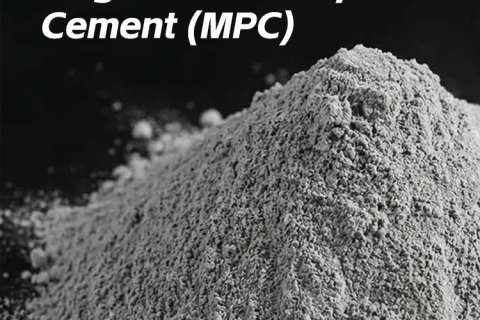
In modern infrastructure maintenance, the biggest challenge is not how to repair concrete, but how quickly the repaired structure can return to service. Traditional repair materials often require 24–72 hours before reopening, which creates delays, traffic disruption, and increased operational costs. For projects such as highways, airport runways, and industrial floors, this downtime is often unacceptable. At the same time, in cold environments, ordinary cement-based materials show slow strength development or fail to perform below 5°C. Because of these limitations, contractors and material suppliers are increasingly turning to Magnesium Phosphate Cement as a high-performance fast setting concrete repair material.